Why is my valve becoming harder to operate?+
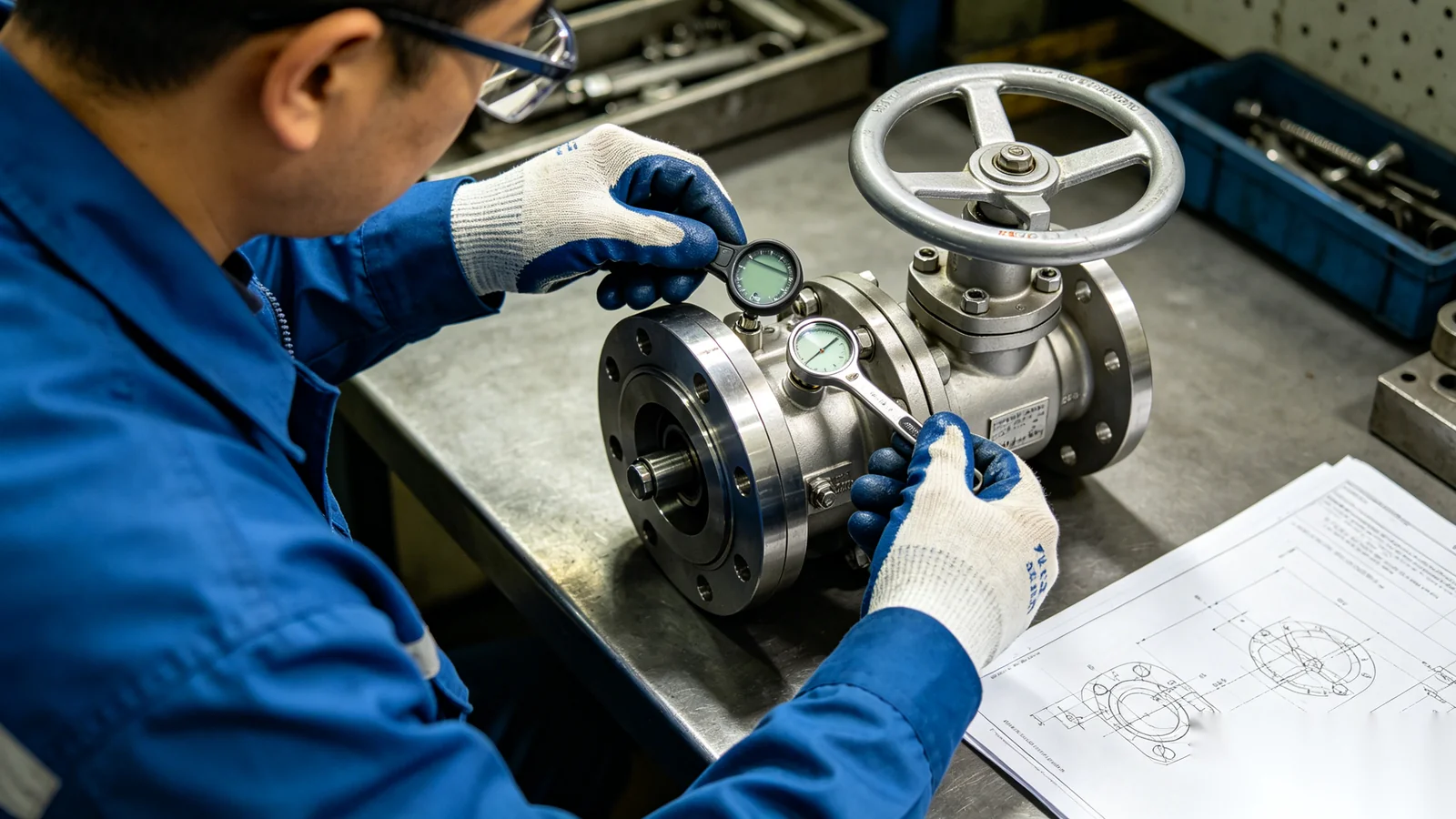
Gradual increase in operating effort is one of the most common gear operator problems in field service. Likely causes include valve seat wear or debris obstruction increasing break torque, degraded or contaminated lubricant inside the worm gear housing, stem misalignment developing since installation, differential pressure holding the closure member seated, or internal worm set wear. Compare current handwheel effort against commissioning records. If torque has increased more than 25% from baseline, schedule inspection before the next operating cycle. Do not apply cheater bars or excessive force — investigate systematically using the troubleshooting workflow above, starting with visual inspection and lubricant assessment.
What should I do if water is found inside the gearbox?+
Water ingress is a priority fault requiring prompt action. Drain all contaminated lubricant immediately and inspect internal components for rust formation through accessible openings. Replace compromised shaft seals, cover gaskets, and any damaged breather or drain plug hardware. Identify the ingress path — common sources include aged shaft seals, improperly torqued cover bolts, failed actuator cable glands, and mounting in standing water beyond the rated IP protection class. After seal replacement and internal cleaning, refill with manufacturer-specified lubricant only. Monitor the unit closely for 30 days. If water reappears, contact technical support with photographs and serial number for engineering review of housing integrity and environmental protection adequacy.
Can gearbox vibration damage the valve?+
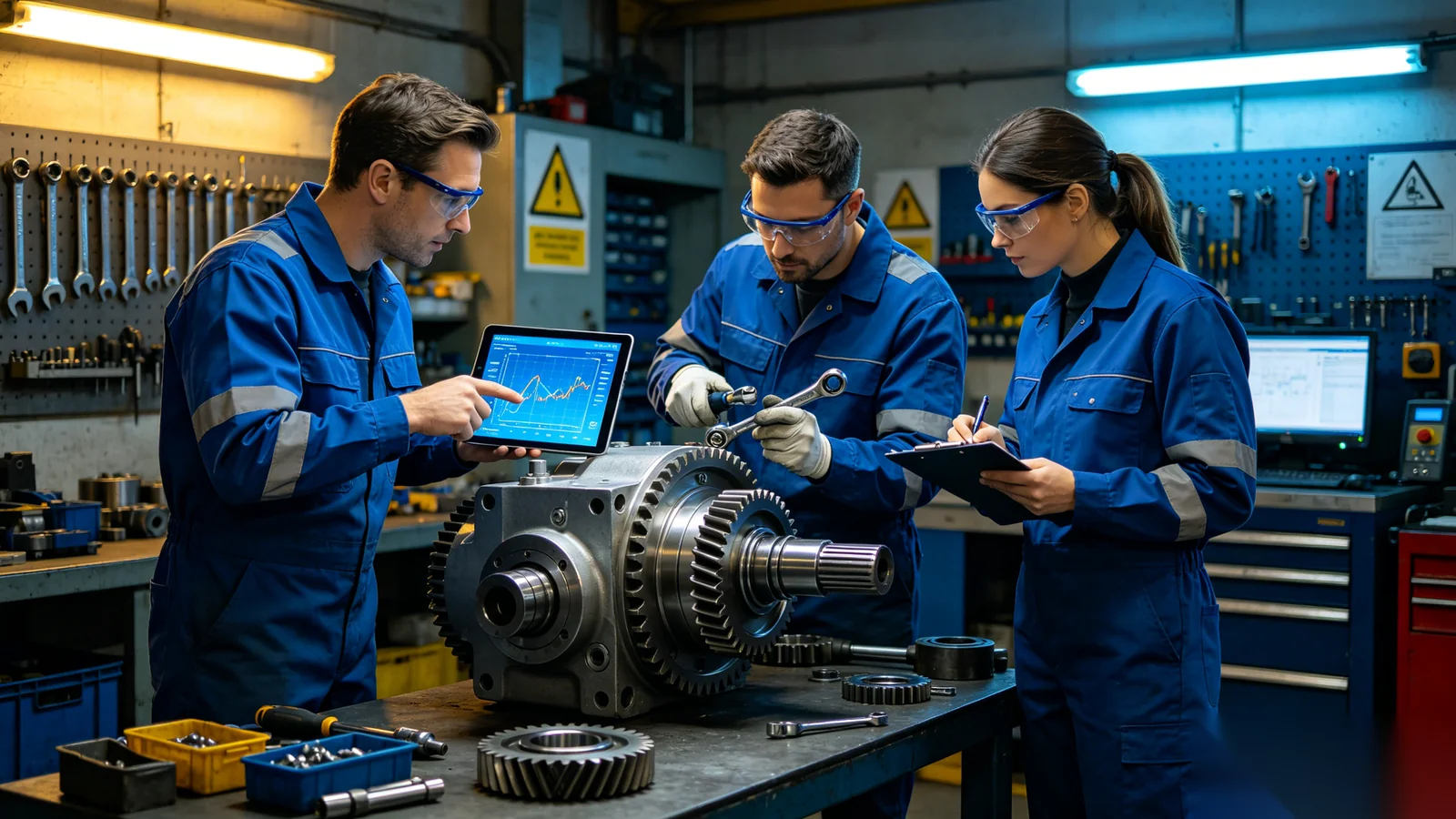
Yes — sustained gearbox vibration can accelerate wear at the valve stem coupling, loosen mounting fasteners, and damage valve stem threads or packing through cyclic loading. Vibration typically indicates loose mounting, shaft misalignment, internal gear wear, or valve-side binding that creates oscillating resistance. Address vibration promptly by re-torquing fasteners, verifying alignment, and inspecting internal gear condition. On automated valves, vibration may also cause actuator limit switch drift and position feedback errors. Left uncorrected, vibration leads to coupling failure, stem damage, and potential loss of isolation capability on safety-critical valves.
How often should troubleshooting inspections be performed?+
Routine external inspection should follow the intervals in our Maintenance Guide — monthly for critical or severe-environment valves, quarterly for standard industrial service, and comprehensively once per year. However, perform immediate troubleshooting inspection whenever operators report abnormal symptoms: increased torque, new noise, vibration, position indicator errors, or suspected water ingress. Do not wait for the next scheduled maintenance window when a valve shows degraded performance. Early diagnosis reduces repair scope and prevents secondary damage to both gearbox and valve components.
When should technical support be contacted?+
Contact our engineering team when troubleshooting inspection reveals abnormal torque that cannot be resolved through lubrication or alignment correction, confirmed water ingress with internal corrosion, structural housing damage or cracked castings, persistent vibration or noise after corrective action, actuator faults that persist after power and settings verification, or repeated failures at the same valve tag. Provide gear operator model number, serial number, installation date, maintenance history summary, and photographs. Our application engineers review field findings and recommend parts, adjustments, factory overhaul, or replacement with documented guidance suitable for your maintenance records.