ISO 9001 API 6D CE / PED EN

Support · Preventive Maintenance

Preventive Maintenance Guide for Worm Gear Operators and Valve Gearboxes

Regular valve gearbox maintenance ensures long-term reliability, safety, and consistent performance across demanding industrial service. This valve operator maintenance guide covers gear operator inspection, lubrication, sealing, and actuator care for water treatment, oil and gas, power generation, mining, marine, chemical processing, and industrial automation applications worldwide.

Scheduled Inspection Intervals Lubrication & Seal Care Gear Operator Inspection

Reliability Foundation

Why Preventive Maintenance Matters

Valve gear operators endure demanding conditions — high operating torque, outdoor exposure, abrasive media, and continuous cycling in critical isolation service. Without a structured preventive maintenance program, small issues such as loose fasteners, degraded lubricant, or early seal wear escalate into valve failures, unplanned shutdowns, and safety incidents. A disciplined worm gear operator maintenance approach transforms reactive repair into predictable asset care, extending equipment life and preserving rated torque output over decades of industrial service.

Extend Equipment Life

Scheduled gear operator inspection and lubrication reduce worm set wear, housing corrosion, and premature component replacement — maximizing return on capital investment.

Reduce Repair Costs

Early detection of torque increase, water ingress, or coating failure prevents catastrophic gearbox damage requiring full workshop overhaul or emergency replacement.

Improve Operational Reliability

Consistent preventive maintenance for valve gearboxes keeps isolation valves ready for emergency shutdown and modulating control without unexpected stiff operation.

Minimize Unexpected Shutdowns

Planned inspection intervals aligned to duty cycle and environment identify degradation before it forces process interruption during peak production or safety events.

Maintain Valve Performance

Proper lubrication, alignment verification, and seal integrity preserve design torque margins and accurate valve positioning throughout the asset lifecycle.

Improve Safety

Lockout/tagout compliance, PPE requirements, and documented maintenance records support safe field work and regulatory audit readiness for critical valve systems.

Safety First

Maintenance Safety Requirements

All valve gearbox maintenance activities must begin with verified safety controls. Never perform inspection, lubrication, or component replacement on energized process systems without proper isolation and authorization.

Lockout and Tagout Procedures

Follow all site lockout/tagout (LOTO) procedures before beginning any maintenance work on valve gear operators or associated actuators. Isolate electrical supply to electric actuators, depressurize pneumatic systems, and implement process isolation valves to eliminate hazardous energy sources. Apply personal locks and tags per site policy, verify zero-energy state with appropriate test equipment, and maintain LOTO until all maintenance personnel have cleared the work area. Coordinate with operations to confirm valve tag numbers and isolation boundaries before removing housing covers or engaging manual override mechanisms.

Verify Valve Status

Confirm valve position, process conditions, and system pressure before opening gearboxes or operating handwheels during maintenance. Verify that upstream and downstream isolation is effective and that trapped pressure cannot release unexpectedly during disassembly. Document whether the valve is in open, closed, or intermediate position and whether the process contains hazardous, toxic, or high-temperature media. For double-block-and-bleed configurations, confirm bleed valve status. Never assume valve position from the handwheel alone — cross-check against position indicators and process instrumentation.

Use Proper PPE

Wear appropriate personal protective equipment for all gear operator maintenance tasks. Standard requirements include safety glasses, work gloves rated for mechanical hazards, hard hats in overhead work zones, and protective clothing suitable for the environment. Use fall protection when inspecting elevated or platform-mounted gearboxes. In chemical processing areas, add chemical-resistant gloves and face shields as required by the site hazard assessment. Hearing protection may be necessary near high-cycle automated valves. Never bypass PPE requirements to expedite routine inspection — most maintenance injuries occur during tasks perceived as low risk.

Maintenance Schedule

Recommended Inspection Intervals

Inspection frequency depends on operating conditions, environmental exposure, duty cycle, and application criticality. Adjust intervals based on site experience and manufacturer recommendations.

Monthly Inspection

Recommended for critical isolation valves, frequently operated modulating service, and installations in severe environments including marine exposure, abrasive dust, or chemical atmospheres. Check external housing condition, handwheel integrity, mounting fastener security, and visible corrosion or coating deterioration. Record operating torque feel during a single manual cycle if safely accessible. Monthly gear operator inspection provides early warning before quarterly or annual deep inspections.

Quarterly Inspection

Standard interval for most industrial valve gearboxes in moderate duty. Inspect mounting hardware torque, position indicator alignment and legibility, protective coating condition, and housing seal integrity at covers and shaft penetrations. Verify handwheel rotation smoothness and listen for abnormal noise. Check actuator mounting security on automated installations. Quarterly inspection bridges routine visual checks and comprehensive annual evaluation.

Annual Inspection

Comprehensive preventive maintenance for valve gearboxes including full operational cycle testing, torque evaluation against commissioning baseline, internal seal and lubricant condition assessment where accessible, gearbox housing integrity review, and corrosion progression documentation. Annual inspection supports CMMS planning, spare parts forecasting, and warranty compliance. Critical applications may require semi-annual comprehensive inspection regardless of visual condition.

Visual Assessment

External Inspection Procedures

External gear operator inspection requires no disassembly and should be performed at every scheduled interval. Document findings with photographs for trend comparison across inspection cycles.

Housing Inspection

Examine the gearbox housing for cracks, impact damage, surface corrosion, and coating deterioration. Look for oil staining indicating seal leakage, dented surfaces from mechanical impact, and paint failure exposing bare metal to atmospheric attack. Cast iron and aluminum housings show different failure modes — note any progressive corrosion pitting or stress cracking at mounting bolt holes and rib intersections.

Fastener Inspection

Check mounting bolts, cover screws, and actuator interface fasteners for tightness, corrosion, mechanical damage, and missing components. Verify that bolt heads show no rounding from improper tools and that thread engagement appears complete. Stainless fasteners in marine service require inspection for galling and crevice corrosion. Re-torque mounting hardware per installation manual specifications if any looseness is detected.

Handwheel Inspection

Inspect the handwheel for damage, cracks, deformation, and secure attachment to the input shaft or hub. Confirm that the handwheel rotates freely without wobble indicating bearing or shaft wear. Check spoke integrity on spoked designs and rim condition on solid handwheels. Verify that handwheel direction markings remain legible and match site operating conventions for open and close rotation.

Position Indicator Inspection

Verify position indicator visibility, alignment with actual valve state, accuracy through a full stroke cycle, and secure mounting to the gearbox output. Misaligned indicators cause operational errors during manual valve operation and emergency response. Check window clarity on enclosed dial types and pointer security on external flag indicators. Replace faded or damaged indicators before they become unreadable in low-light conditions.

Functional Testing

Operational Inspection

Operational inspection evaluates gear operator performance under working conditions — revealing degradation that visual inspection alone cannot detect. Perform cycle testing only when process isolation and LOTO requirements are satisfied.

Cycle Testing

Operate the valve through a complete open-to-closed cycle and return to the original position. Observe smooth handwheel or actuator movement without catching, hesitation, or sudden resistance changes. Confirm consistent torque effort through the stroke and proper travel limits at both end positions. Compare current operating feel against commissioning records or previous inspection notes. Cycle testing validates that worm gear engagement, stem coupling, and valve mechanics remain within acceptable performance bounds for the application.

Abnormal Torque Monitoring

Watch for increased operating force compared to baseline, sudden resistance at specific stroke positions, irregular movement suggesting partial binding, and difficulty completing full travel. Excessive operating torque often indicates valve seat wear, debris obstruction, lubrication degradation, incorrect gearbox sizing, or stem misalignment developing since installation. Document torque observations qualitatively or with a torque meter where available. Investigate any significant increase before the next scheduled maintenance interval — do not wait for complete failure.

Noise Inspection

Listen for grinding sounds indicating worm or wheel wear, vibration suggesting misalignment or loose mounting, and impact noises at travel stops or coupling interfaces. Normal worm gear operation produces low-level mesh noise — new or increasing sounds warrant investigation. Conduct noise inspection during slow manual operation in a relatively quiet environment. Automated cycle testing may mask subtle acoustic changes; supplement with manual rotation during annual inspection.

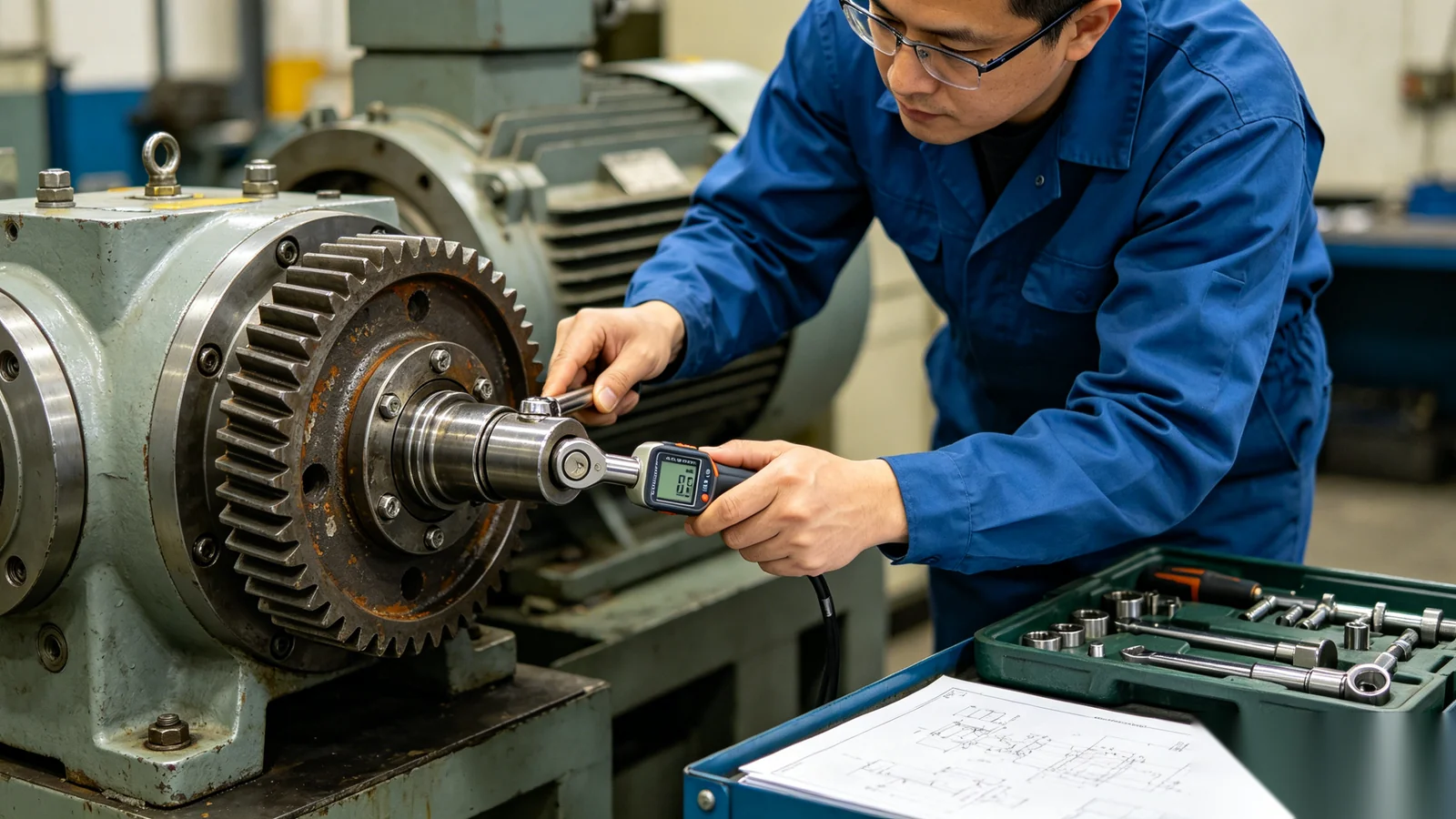
Technician performing operational inspection on worm gear valve operator
Cycle Test Operational gear operator inspection

Environmental Protection

Corrosion Protection Inspection

Corrosion damage is among the leading causes of premature valve gearbox failure in outdoor and aggressive industrial environments. Inspect protective systems regularly and address coating failure before structural metal loss occurs.

Outdoor Installations

Outdoor gear operators face paint damage from UV exposure, surface rust from moisture accumulation, coating degradation from temperature cycling, and accelerated corrosion at horizontal surfaces where water pools. Inspect top surfaces, flange interfaces, and handwheel hubs where coating wear typically begins. Document rust progression with dated photographs. Touch up minor coating damage with compatible primer and finish per manufacturer specification — do not allow bare metal exposure through multiple inspection cycles without remediation.

Marine and Offshore Applications

Marine and offshore valve gear operators require enhanced inspection due to salt spray, high humidity, and splash zone exposure. Check for salt deposit accumulation in crevices, corrosion progression at dissimilar metal interfaces, and coating failure on external hardware. Stainless steel components still require inspection for pitting and crevice corrosion in chloride environments. Increase inspection frequency beyond standard annual intervals — quarterly external inspection is recommended for exposed offshore installations.

Chemical Processing Facilities

Chemical processing environments expose gear operators to vapor-phase chemical attack, splash contamination, and seal degradation from aggressive media. Inspect for surface etching, discoloration indicating chemical reaction, and seal swelling or hardening at shaft penetrations. Verify that specified material upgrades — stainless housings, enhanced coatings, or special seal compounds — remain appropriate if process conditions have changed since original installation.

Ingress Protection

Environmental Sealing Inspection

Environmental seals protect internal worm gear components from moisture, dust, and contaminants. Seal failure leads to lubricant contamination, corrosion of internal parts, and accelerated wear — often without external symptoms until significant damage has occurred.

Seal Inspection

Examine all visible seals for cracking, hardening, elastic deformation loss, and mechanical damage from improper installation or tool contact. Shaft seals at input and output penetrations are primary inspection points. Cover gasket compression sets should show uniform contact without visible gaps. Replace seals showing age-related hardening or compression set before water ingress occurs — reactive seal replacement after internal rust formation requires more extensive repair.

IP67/IP68 Protection Systems

IP67 and IP68 rated gearboxes depend on cover integrity, correct fastener torque, gasket performance, and cable entry sealing on automated units. Verify that all housing covers are present, correctly oriented, and secured to specified torque. Inspect breather and drain plug installation — incorrect orientation can compromise submersion protection. IP-rated gearboxes still require maintenance; the rating defines design capability, not immunity from neglected seal care over decades of service.

Water Ingress Inspection

Check for evidence of internal moisture including condensation on sight glasses, rust formation on internal surfaces visible through drain openings, milky or emulsified lubricant appearance, and water droplets after temperature cycling. Any confirmed water ingress requires seal replacement, lubricant change, and internal corrosion assessment. Document ingress events in maintenance records and investigate root cause — seal age, improper cover installation, actuator cable gland failure, or mounting orientation issues.
Lubrication Care

Lubrication Maintenance

Proper lubrication is essential for worm gear operator longevity. Worm gear sets operate under high sliding contact stress — degraded or contaminated lubricant accelerates wear and increases operating torque within months.

Lubricant Condition

Assess lubricant condition at each annual inspection or when operating symptoms suggest degradation. Check for contamination from water intrusion, particulate debris, or process chemicals. Note discoloration from normal darkening to abnormal milky, foamy, or metallic appearance. Smell and visual inspection through drain plugs or sight ports provide initial assessment — laboratory analysis may be warranted for critical assets. Contaminated lubricant must be replaced promptly; operating with degraded grease or oil accelerates worm wheel pitting irreversibly.

Lubrication Intervals

Follow manufacturer lubrication interval recommendations based on operating cycles, environmental conditions, and ambient temperature range. High-cycle modulating service in elevated temperatures requires more frequent lubrication than occasional isolation duty in climate-controlled buildings. Outdoor installations subject to thermal cycling may need shorter intervals due to condensation risk. Integrate lubrication tasks into the plant CMMS with intervals tied to valve tag numbers and duty classification — not generic calendar schedules alone.

Lubricant Replacement

Replace lubricant when contamination is detected, manufacturer service intervals are reached, or operating performance indicates degradation — increased torque, new noise, or elevated housing temperature. Use only lubricant types specified in the product manual; incompatible grease compounds can soften seals or fail to protect worm gear contact surfaces. Purge old lubricant completely before refilling. Document lubricant type, quantity, and replacement date in maintenance records for warranty and failure analysis support.

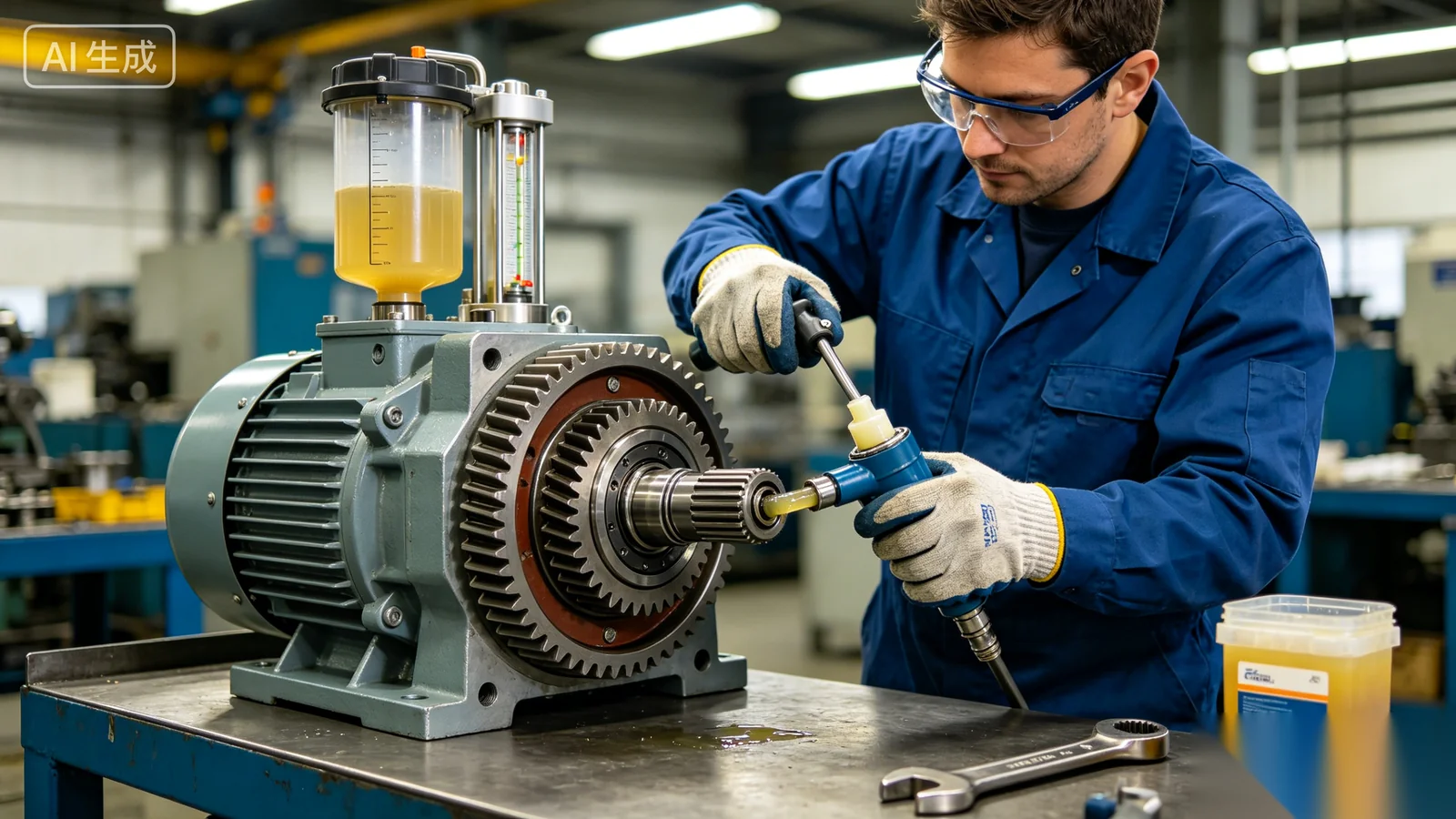
Maintenance technician performing lubrication service on valve gearbox
Grease Spec Lubrication maintenance procedures

Interface Integrity

Mounting System Inspection

The mounting interface between valve and gear operator transmits all operating loads. Mounting system degradation causes misalignment, increased torque, and accelerated wear in both the gearbox and valve stem assembly.

ISO5211 Flange Inspection

Inspect ISO 5211 flange integrity on both valve top and gear operator mounting surfaces. Check for bolt hole elongation, flange face corrosion, and deformation from over-torqued fasteners. Verify bolt grade and condition — replace corroded or damaged fasteners with specified equivalents. Confirm that adapter plates, if used, remain flat and securely attached without visible shifting since installation.

Shaft Connection Inspection

Examine the stem coupling, drive bushing, or stem nut engagement for wear, corrosion, proper engagement depth, and mechanical damage. Partial engagement causes stress concentration and torque loss at the valve interface. Check keyway condition and key security on keyed drives. Any visible movement between coupling components during manual operation indicates wear requiring corrective action before the connection fails under break torque conditions.

Alignment Verification

Misalignment between valve stem and gear operator input causes excessive wear, increased operating torque, and reduced gearbox service life. Verify concentricity during annual inspection by observing smooth rotation without eccentric wobble. Check for uneven gasket compression at the flange interface and any shift in gear operator position relative to installation baseline marks. Realignment may require loosening mounting hardware, repositioning, and re-torquing per installation guide procedures.

Automation Care

Actuator System Maintenance

Installations combining manual gear operators with electric or pneumatic actuators require maintenance attention to both the gearbox and the automation components. Coordinate actuator maintenance with gear operator inspection schedules.

Electric Actuator Inspection

Verify actuator mounting security to the gear operator interface, wiring condition at terminal boxes and cable glands, position feedback accuracy against valve state, and overall performance during automated cycle testing. Check motor duty indicators, thermal protection status, and limit switch function. Damaged cable entries are a common water ingress path on outdoor automated valves — inspect gland compression and conduit support integrity at each maintenance interval.

Pneumatic Actuator Inspection

Inspect air supply components including filters, regulators, and lubricators upstream of the actuator. Check pneumatic connections for leakage, hose condition, and fitting security. Verify operating pressure within specified range and actuator response time during stroke testing. Slow or incomplete actuator travel may indicate supply pressure issues, internal seal wear, or increasing valve torque load — distinguish actuator problems from gearbox or valve degradation through systematic testing.

Manual Override Systems

Confirm declutchable override or manual override mechanism engages and disengages properly, operates smoothly without excessive force, and remains accessible for emergency manual operation. Train operators on override procedures during maintenance windows. Verify that override engagement does not require unavailable special tools. Test override operation at least annually even when automated operation is primary — emergency manual capability must be reliable when power or air supply fails during critical events.

Field Experience

Common Maintenance Findings

Maintenance teams worldwide report similar failure patterns in valve gear operator service. Recognizing these common findings during inspection enables faster root cause analysis and corrective action.

Excessive Operating Torque

Increased handwheel effort typically stems from valve seat wear, pipeline debris obstruction, lubrication degradation, incorrect gearbox sizing, stem misalignment, or internal worm set wear. Compare against commissioning baseline and investigate systematically — valve-side and gearbox-side causes require different corrective actions.

Valve wear Lubrication Sizing

Water Ingress

Internal moisture results from seal failure, improper cover installation, compromised actuator cable glands, incorrect breather orientation, or mounting in standing water without adequate IP rating. Address root cause and replace contaminated lubricant — internal rust progresses rapidly once moisture enters the housing.

Seal failure IP rating Installation

Corrosion Damage

External and internal corrosion follows coating failure, harsh environment exposure, and inadequate inspection intervals. Marine, chemical, and unpainted outdoor installations show accelerated progression. Remediation ranges from coating touch-up to housing replacement depending on structural metal loss severity.

Coating failure Marine duty Inspection gaps

Position Indicator Problems

Mechanical damage, misalignment after maintenance, loose mounting hardware, and faded markings cause indicator inaccuracy. Incorrect position indication creates operational errors during manual valve operation and emergency response — replace or realign indicators promptly when accuracy cannot be confirmed through full stroke verification.

Misalignment Loose hardware Mechanical damage

Documentation

Maintenance Record Keeping

Maintain complete maintenance records for every valve gear operator in the plant asset management system. Document inspection dates, observations, repairs, component replacements, lubrication activities with product specification, and torque readings compared to baseline values. Photographic records support trend analysis across years of service and enable warranty claims, root cause analysis, and compliance with ISO 9001 and site QA requirements.

Engineering Assistance

When to Contact Technical Support

Contact our technical support team when maintenance inspection reveals abnormal operating torque that cannot be attributed to valve conditions, persistent vibration or noise after lubrication service, confirmed water ingress or internal corrosion, structural housing damage or cracked castings, excessive external corrosion threatening structural integrity, or repeated failures at the same valve tag after corrective action. Provide gear operator model number, serial number, installation date, maintenance history summary, and photographs of the condition. Our application engineers review field findings and recommend parts, adjustments, factory overhaul, or replacement based on wear assessment — supporting safe return to service with documented engineering guidance.

Common Questions

Frequently Asked Questions

How often should a valve gear operator be inspected?+

Inspect monthly for critical or severe-environment valves, quarterly for standard industrial service, and comprehensively once per year. Shorten intervals for high-cycle, marine, or chemical duty. Tie tasks to valve tag numbers in your CMMS and inspect immediately after any abnormal torque, noise, or suspected water ingress.

What are the most common maintenance issues?+

The most frequent findings are excessive operating torque, water ingress, corrosion, loose mounting fasteners, lubricant contamination, and position indicator misalignment. Most are preventable with disciplined inspection and early corrective action before complete failure.

How can I extend gearbox service life?+

Maintain correct lubrication, verify alignment annually, protect coatings, replace seals before ingress occurs, and never force the handwheel past abnormal resistance. Proper initial sizing and documented maintenance records help identify degrading assets before emergency failure.

Do IP67/IP68 gearboxes require maintenance?+

Yes. IP67 and IP68 ratings define design capability — not immunity from maintenance. Seals age, covers can be reinstalled incorrectly, and corrosion still progresses. Inspect cover torque, gaskets, breathers, and cable glands on the same schedule as standard units.

When should technical support be contacted?+

Contact support for abnormal torque, water ingress, structural damage, persistent noise after lubrication, or repeated failures. Provide model and serial numbers, maintenance history, and photos for engineering review and documented repair or replacement guidance.

Need Maintenance Assistance?

Our engineering team supports preventive maintenance planning, inspection procedures, gearbox servicing, actuator maintenance, and replacement parts identification. Whether you are establishing a new program or preparing for a plant turnaround, we provide documented technical assistance aligned to field conditions and maintenance record expectations.