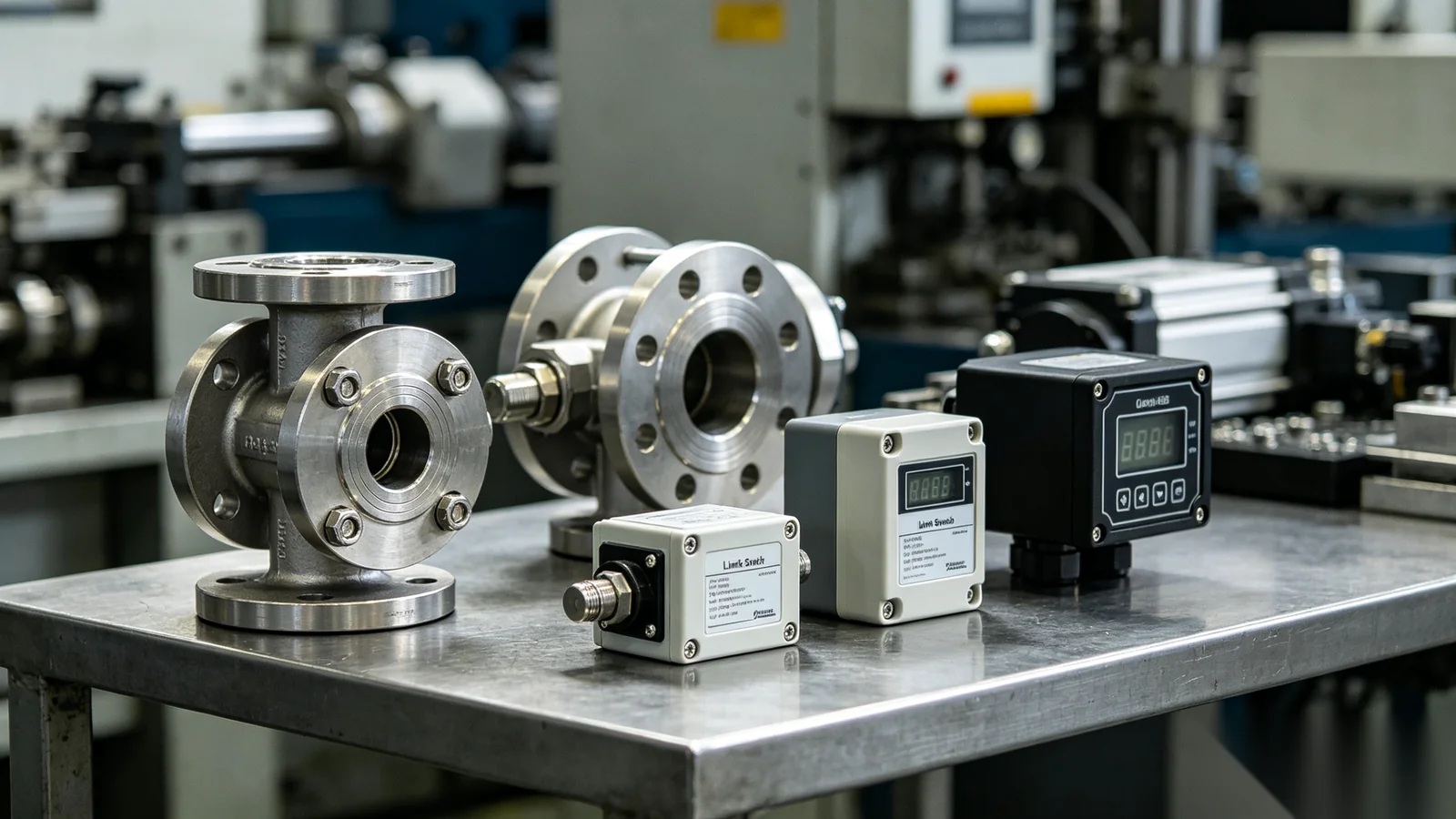
ISO 9001 API 6D CE / PED EN

Mining · Slurry Systems · Heavy Industry

Valve Gear Operator Solutions for Mining Industry Applications

Heavy-duty worm gear operators for slurry pipelines, knife gate valves, and tailings transport — dust sealing, abrasion-resistant builds, and actuator-ready ISO 5211 mounts for remote mining automation.

Slurry & Tailings Dust & Abrasion Remote Automation
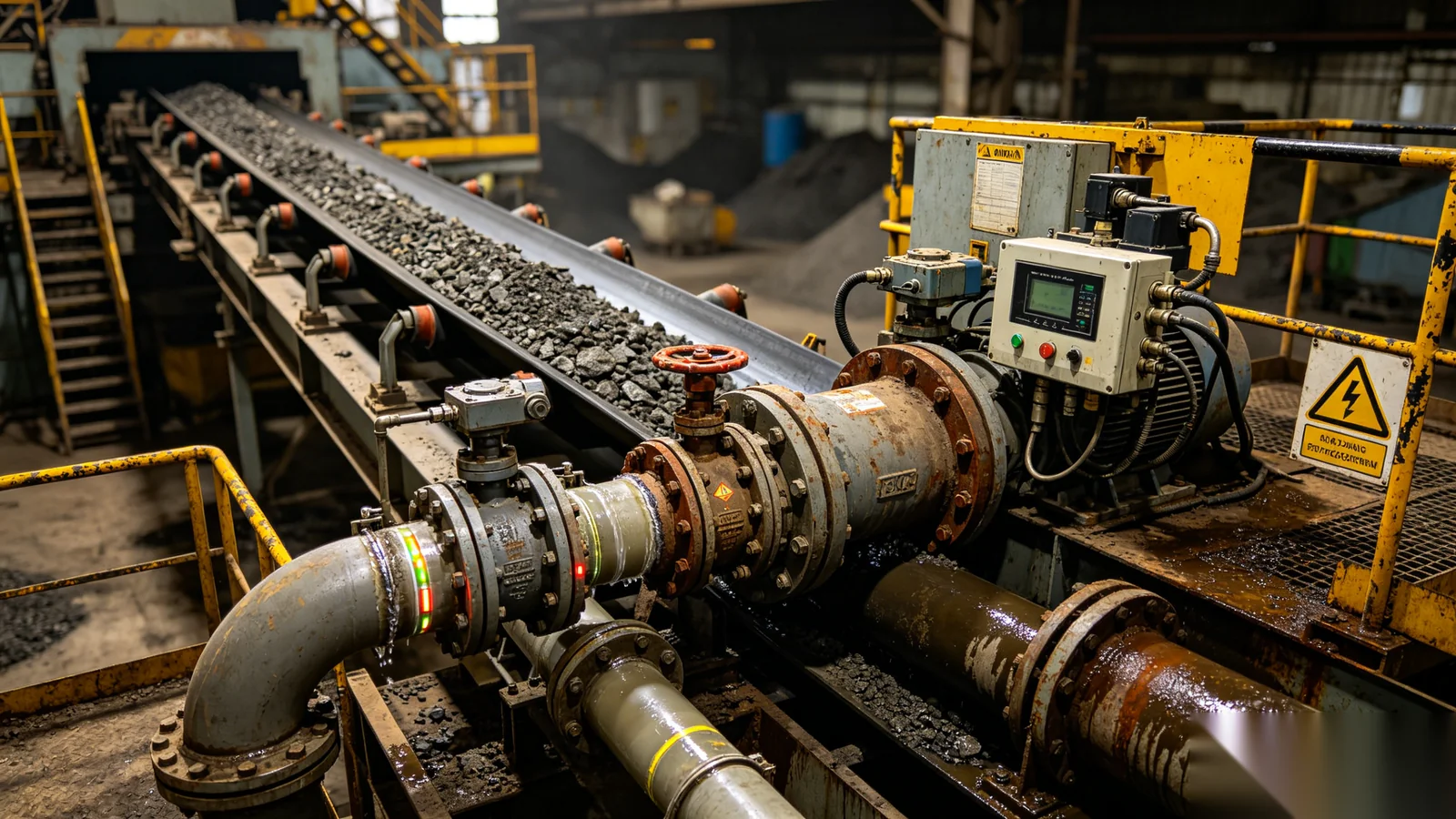
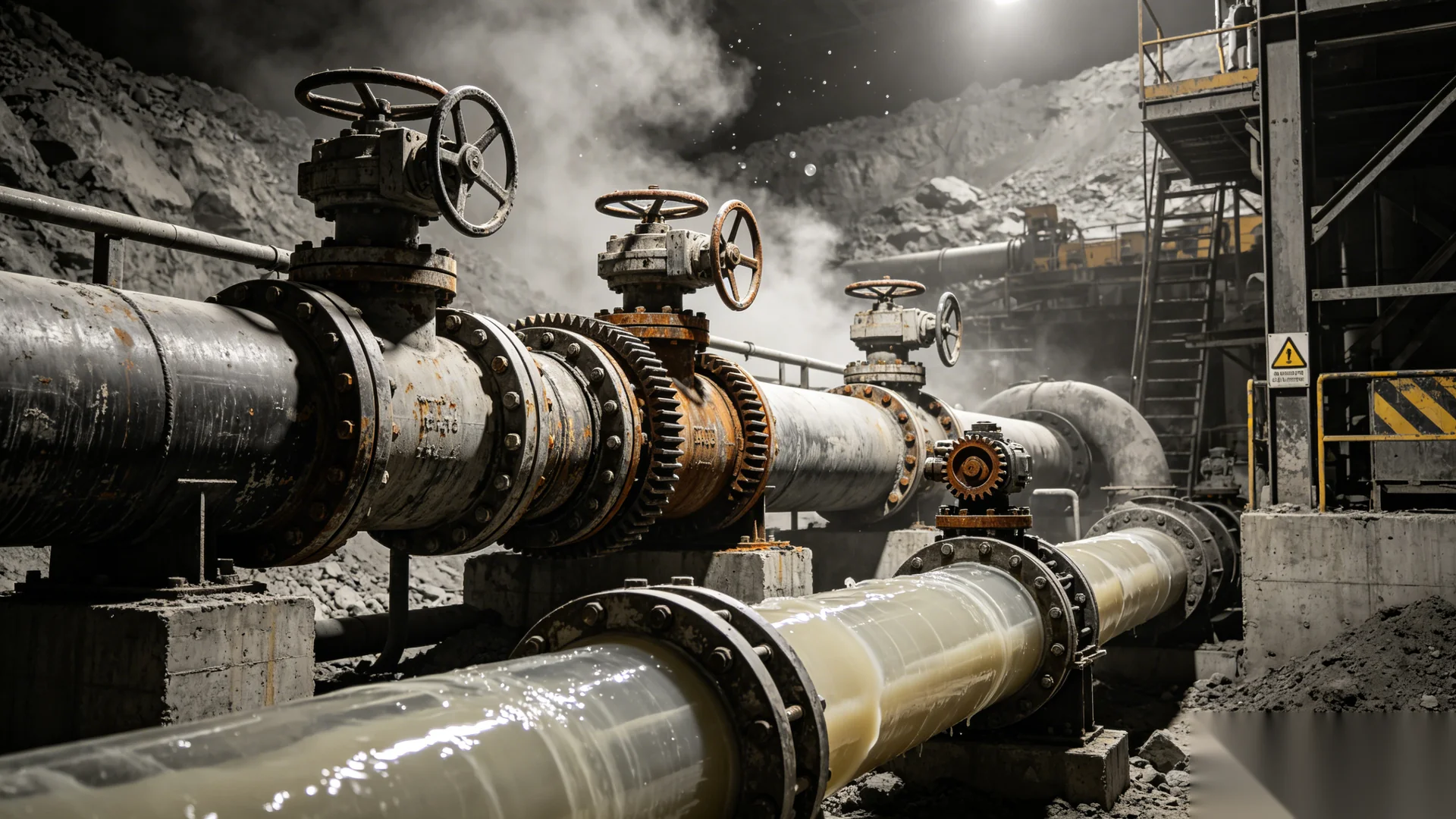
Knife gate and butterfly valves with worm gear operators on mining slurry systems
Slurry DutyMining applications

Industry Context

Industrial Valve Automation for Mining Systems

12kNm max torque
IP67/68Dust & submersion
ISO 5211Actuator-ready

Mining valve automation demands gear operators sized for abrasive slurry breakaway torque, dust sealing, and manual emergency override — with interfaces ready for electric actuators and SCADA integration on concentrator and tailings circuits.

Mining infrastructure imposes distinct control challenges: abrasive solids, corrosive liquors, and high-density tailings under vibration, dust, and temperature extremes. Gear operators must match valve type, breakaway torque, and environmental exposure while preserving manual override when power fails.

Valve Automation Requirements in Mining Facilities

Mining facilities segment flow through crushing, grinding, flotation, thickening, and tailings deposition — each stage uses isolation and modulating valves with different torque and speed needs. Knife gate valves dominate abrasive slurry lines; butterfly valves serve large-diameter process headers; heavy gate valves provide isolation on tailings and utility circuits. Gear operators must align with ISO 5211 mounting patterns, stem heights, and thrust where applicable, while leaving clearance for actuators, position indication, and dust covers. Duty cycles include frequent cycling on distribution lines, long static periods on standby isolation, and full-stroke operation under high differential pressure with solids in suspension. Specifiers should document breakaway and running torque, safety factors, and whether the service is utility water, abrasive slurry, or tailings paste so gearbox ratio and housing strength match real mining loads rather than catalog minimums.
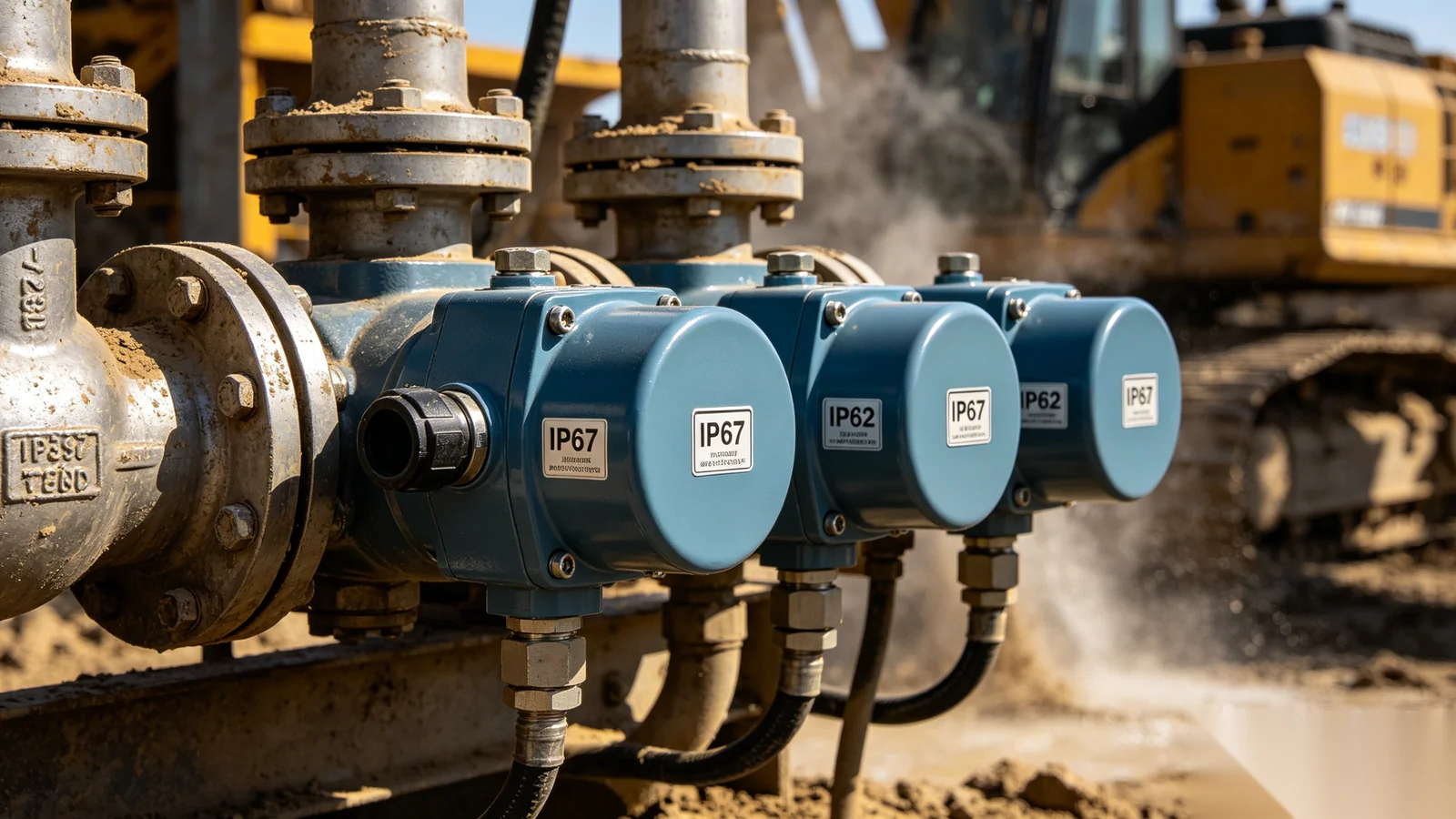
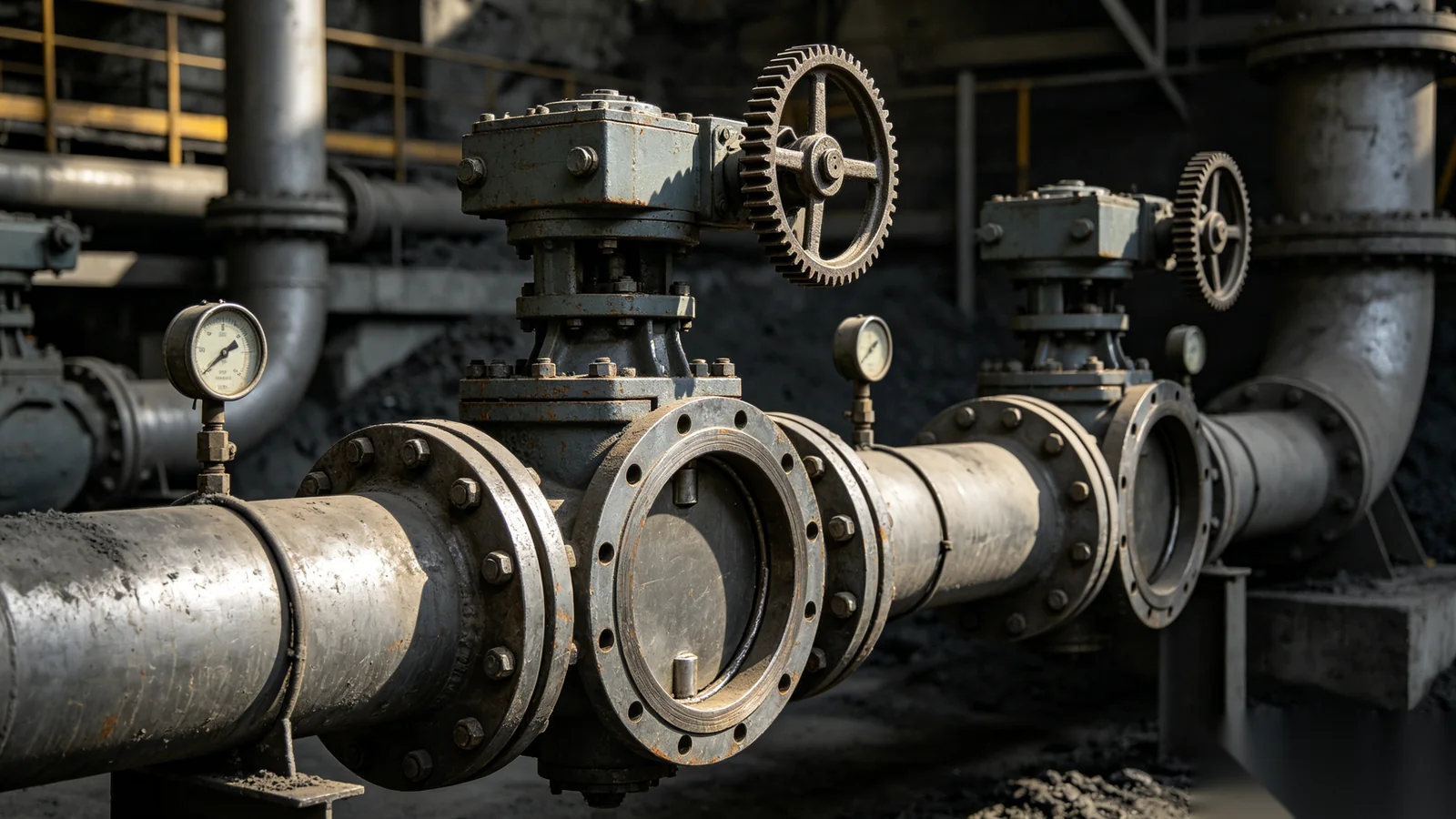
Reliable Gear Operators for Heavy Industrial Applications

Mining plants operate continuously; a seized or drifting valve can interrupt ore flow, isolate wrong circuits during a safety event, or force costly unplanned shutdowns. Reliable gear operators provide self-locking worm stages that hold position without continuous power, reducing risk on large slurry butterfly and knife gate installations. Mechanical integrity — hardened worms, aligned bearings, abrasion-resistant lubrication, and controlled backlash — translates to repeatable indication and safer handwheel operation for maintenance crews in dusty galleries. Site teams value standardized operators across a mine so spares, procedures, and training stay consistent across pits and processing trains. For owners, lifecycle cost favors gearboxes that resist dust ingress, maintain coating integrity under abrasion, and accept actuator retrofit without replacing valve topworks. Engineering trust comes from documented torque verification, environmental systems matched to mine class, and technical support during commissioning — the expectations EPC contractors carry into mining bids worldwide.

Continuous Operation in Harsh Mining Environments

Mining operations increasingly combine manual gear operators with electric actuators and supervisory control for remote valve operation, coordinated safety shutdowns, and optimized material transport. Heavy-duty valve automation packages must bridge quarter-turn and multi-turn valves, manual emergency override paths, and interfaces compatible with common actuator footprints in dusty outdoor plants. Torque transmission paths should tolerate occasional stuck conditions within defined limits without damaging stems, seats, or knife gate blades in abrasive service. Outdoor racks, elevated pipe bridges, and underground galleries demand dust sealing, IP-rated enclosures, and conduit entries planned during design — not retrofitted after tie-in. Mining procurement emphasizes traceability, submittal documentation, and alignment with project specifications on materials, abrasion resistance, and continuous operation. Automation-ready worm gearboxes let owners phase investment: manual operators at mechanical completion, actuators and SCADA integration when communications and power distribution are commissioned.

Plant Applications

Valve Applications in Mining Facilities

From pit dewatering through concentrator discharge and tailings deposition, mining facilities deploy knife gate valves, butterfly valves, and heavy isolation valves for slurry control, material transport, and process isolation — each location imposes distinct torque, abrasion, and access constraints on gear operators.

Application engineering starts with where the valve sits in the mining process and who must operate it under production pressure. Slurry pump headers and concentrator distribution use knife gate and butterfly valves for quick isolation; tailings and paste lines favor heavy gate valves for positive shutoff; mine water and dewatering circuits require reliable outdoor and underground installations subject to dust and moisture. Gear operator selection ties valve type to mounting standard, required effort at the handwheel under abrasive buildup, and future automation for remote mining operation. The grid below summarizes common mining valve roles and how heavy-duty gear operators support slurry isolation, maintenance bypass, and integration with material handling infrastructure — a reference for OEM valve assemblers, EPC mechanical teams, and mine standards engineers reviewing submittals.

Slurry Pipeline Systems

Quarter-turn worm gear operators sized for abrasive slurry headers and concentrator distribution — self-locking stages hold disc position under flow-induced torque and solids loading.

Knife Gate Valve Applications

Heavy-duty operators for knife gate valves on thickener underflow, flotation, and tailings lines — torque paths support full closure against abrasive media.

Water Management Infrastructure

Operators for pit dewatering, process water, and utility isolation — corrosion-resistant finishes and sealing for humid, dusty mine atmospheres.

Tailings Transport Systems

High-torque gearboxes for tailings pipelines and deposition isolation — suitable for outdoor pipe racks and remote valve stations.

Material Processing Pipelines

Isolation on crushing, grinding, and flotation circuits — reinforced housings for vibration, dust, and intermittent high-torque duty.

Heavy Duty Isolation Valves

Large-bore isolation on main process and bypass lines — manual override and automation interfaces for integrated mining infrastructure.

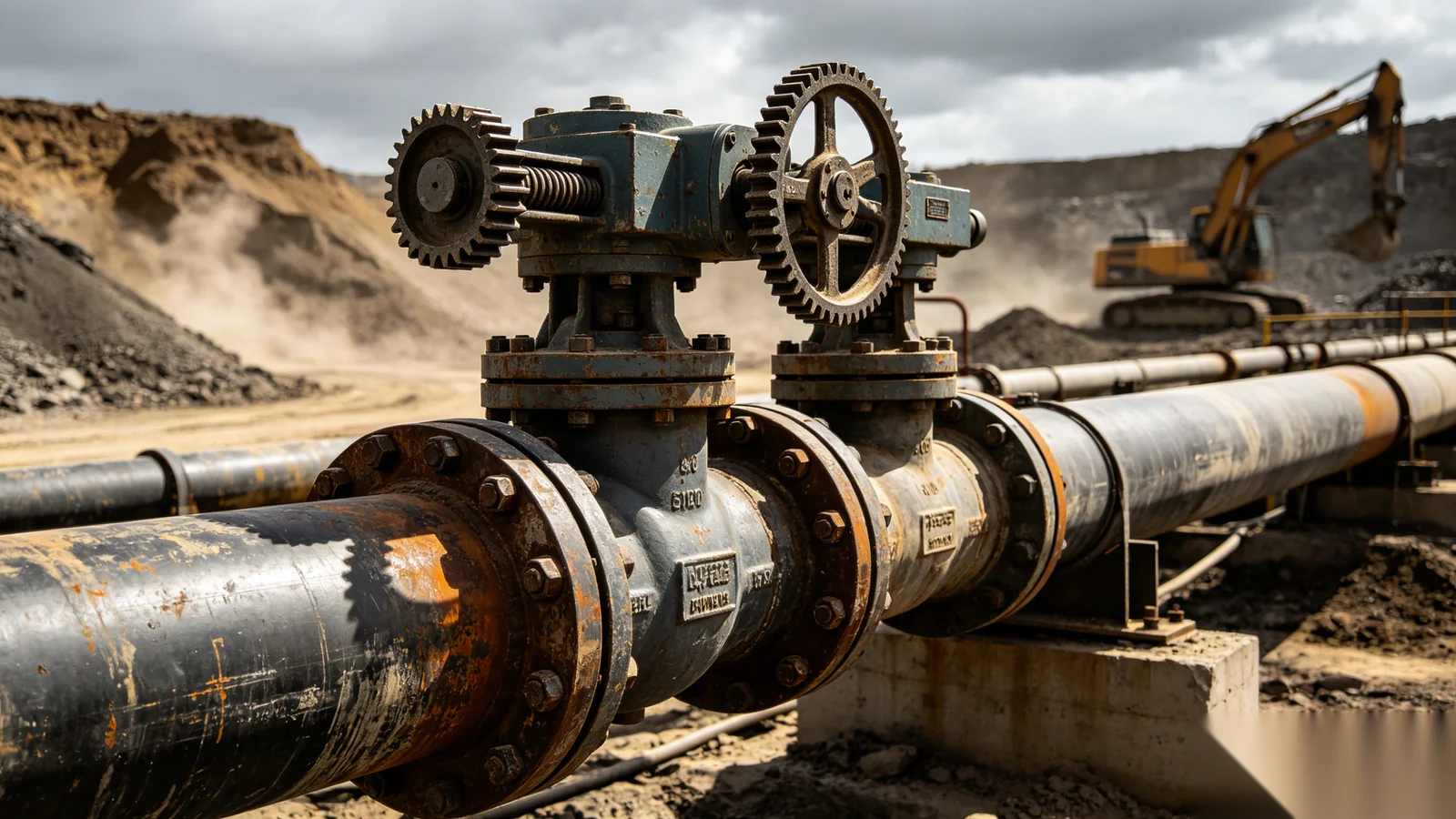
Knife gate and butterfly valves with worm gear operators on mining slurry pipeline systems
Slurry ControlMining applications

Gearbox Engineering

Heavy Duty Gear Operator Solutions for Mining Applications

High-torque worm gearboxes, multi-turn systems, abrasion-resistant designs, and manual emergency override for continuous mining duty.

High Torque Worm Gear Operators

Elevated torque for slurry knife gates and large butterfly valves — ratios matched to BTO with safety margin.

Multi-turn Valve Systems

Bevel and worm drives for tailings and dewatering gate valves with thrust-rated paths.

Abrasion-resistant Designs

Hardened worms and protected housings for dusty, abrasive concentrator environments.

Heavy Duty Torque Transmission

Reinforced housings for high-torque slurry headers — bench-verified per project ITP.

Manual Emergency Override

Handwheel access for actuator-equipped valves during power-loss procedures.

Continuous Operation

ISO 5211 topworks for electric actuators — 24/7 mining production ready.

Heavy duty worm gear operator for mining slurry valve application
High TorqueMining gear solutions

Environmental Engineering

Dust, Corrosion and Harsh Environment Protection

Mining environments combine airborne dust, abrasive splash, corrosive process liquors, and UV on outdoor pipe racks — all accelerating wear on unprotected cast and steel surfaces. Gear operators in concentrators, tailings areas, and material handling plants require systematic protection: sealed housings against dust infiltration, coatings rated for heavy industrial outdoor service, and hardware grades that resist galling in contaminated conditions. IP67 and IP68 protection options address pedestal-mounted valves, washdown zones, and installations where seasonal flooding or underground moisture is expected. Material and coating selection should be specified against the actual exposure class — dry crushing area versus wet flotation gallery — rather than defaulting to a single finish. Long-term durability reduces lifecycle cost for mine owners that cannot afford frequent operator replacement on remote or elevated isolation points. The topics below detail protection strategies engineers request on mining project datasheets.

IP67 and IP68 Protection for Mining Facilities

IP67-rated enclosures withstand temporary immersion and heavy washdown in flotation areas and pump galleries; IP68 options extend protection for underground installations, flooded chambers, and sites with seasonal groundwater infiltration. Sealing design includes gasketed covers, sealed bearing entries, and cable glands planned for actuator leads. Specifiers should align IP class with installation geometry — an elevated outdoor rack differs from a pit that may collect runoff. Testing and certification documentation support owner submittals and EPC quality plans. Combining IP-rated housings with corrosion-resistant and abrasion-resistant coatings addresses liquid ingress, dust infiltration, and external atmospheric attack common in open-pit and concentrator projects.

Corrosion-resistant and Abrasion-resistant Systems

Epoxy and polyurethane coating systems over prepared substrates protect cast housings and covers; stainless steel fasteners and hardware reduce galvanic risk at dissimilar metal joints. For aggressive slurry splash or chemical zones, upgraded coating thickness and holiday inspection may be specified. Worm and wheel materials are selected for wear resistance in abrasive cyclic duty; grease types compatible with dusty environments maintain lubrication without premature breakdown. Engineering documentation should state coating standard, color for UV stability on outdoor racks, and touch-up requirements after field machining. OEM valve assemblers benefit from consistent coating specs across an entire mining valve line so spares match installed assets during decade-long mine life cycles.

Outdoor and Underground Mining Applications

Outdoor valves on tailings lines, concentrator yards, and elevated pipe bridges see temperature swing, UV, dust storms, and precipitation; underground gallery valves face confined humidity, abrasion dust, and contact with rock chemistry. Gear operators for these locations need drainage paths that do not trap moisture at the stem, protective covers for handwheels, and marking visible under maintenance lighting. Remote installations often pair with extension stems and floor stands — torque must be transmitted without binding through the extension. Coating and sealing choices should be coordinated with valve body protection and area classification requirements. Planning environmental strategy at bid stage avoids retrofit wraps and premature failures that disrupt production or tailings compliance schedules.

Dust-sealed gear operator with IP-rated enclosure for harsh mining facility installation
Dust SealedHarsh environment protection

Remote Operations

Automation and Remote Mining Operation Systems

Electric actuator compatibility, mining SCADA integration, and remote valve monitoring for modern heavy industry automation and safety systems.

Automation transforms mining valve operation from locally manned isolation to coordinated plant and pipeline control. Electric actuators mount on gear operators or integrated topworks; supervisory systems poll position and torque; alarms tie to level, pressure, and safety instrumentation. Successful integration requires mechanical compatibility — stem height, flange pattern, and torque margin — plus electrical interfaces understood by controls engineers. Remote mining programs add condition monitoring and exercise scheduling to reduce stuck-valve risk in abrasive service. Gear operators act as the mechanical foundation: they must operate smoothly under actuator drive, permit manual emergency override, and maintain position when power is removed. The blocks below outline automation capabilities referenced in mining SCADA specifications and integrator checklists.

Electric Actuator Compatibility

Mounting and torque interfaces for multi-turn and quarter-turn actuators — verified stem alignment and drive bushing fit before site commissioning.

Remote Valve Monitoring

Supports remote status and command paths from SCADA and RTU panels — reduces travel on large pits and processing trains.

Mining SCADA Systems

Position feedback and torque monitoring hooks compatible with actuator packages — aids predictive maintenance on critical slurry isolation.

Automated Material Transport

Coordinated valve operation with conveyor, pump, and pipeline interlocks — supports continuous material handling programs.

Safety Shutdown Systems

Reliable isolation for emergency stops and process trips — gear operators hold position when power is removed.

Industrial Monitoring Infrastructure

PLC and DCS integration for concentrator and tailings circuits — gear operators sized for coordinated batch and continuous mining operations.

Electric actuator and gear operator integrated with mining SCADA and remote operation system
Remote OpsMining automation

Process Media

Slurry, Water and Material Handling Applications

Slurry systems, mine water circuits, tailings pipelines, and ore processing lines place different mechanical and environmental demands on valve gear operators than clean utility service. Slurry transport requires torque margins for solids, abrasion-resistant contact surfaces, and operators that tolerate occasional binding without damaging stems. Mine water and dewatering infrastructure needs reliable isolation on pumps, thickeners, and clarifiers in humid, dusty galleries. Material handling and ore distribution networks use butterfly and knife gate valves on headers subject to vibration and thermal movement. Gear operator selection must align with each media class — documenting breakaway torque, duty cycle, dust exposure, and automation goals before fabrication. The topics below address how heavy-duty worm gear solutions support slurry isolation, dewatering infrastructure, and material distribution across industrial mining sites.

Concentrator expansions and tailings retrofits often mix new automated isolation with existing manual stations; operators specified at construction should accept actuators and monitoring without topwork changes. Paste and high-density tailings raise seating loads; knife gate and gate valve gear paths must be verified against vendor torque curves including safety factors. Ore processing distribution valves may cycle frequently — housing stiffness and bearing alignment matter as much as ratio selection. Coordinating gear operators with pipeline support, dust management, and electrical area classification reduces field rework on elevated and underground installations.

Slurry Transport and Isolation Systems

Slurry pipelines from grinding through flotation and thickening use knife gate and butterfly valves for isolation, bypass, and maintenance — gear operators must deliver high breakaway torque, resist abrasive dust at the handwheel, and hold position under fluctuating line pressure. Ratio selection accounts for solids content, pipe diameter, and whether the valve is normally open or closed for process safety. Self-locking worm stages prevent back-driving when pumps stop suddenly. Engineering submittals should state media description, frequency of operation, and whether pneumatic or electric actuation is planned so mounting pads and stem interfaces are correct at mechanical completion.

Mine Water and Dewatering Infrastructure

Pit dewatering, process water, and clarifier circuits require isolation valves subject to moisture, dust, and chemical variation — gear operators need corrosion-resistant coatings, sealed bearing entries, and IP-rated options where washdown or infiltration occurs. Multi-turn operators on gate valves serve blowdown and drain roles; quarter-turn units serve large header butterfly valves. Coordination with pump control and level instrumentation supports safe startup and shutdown. Documentation should cover outdoor pedestal mounts, underground gallery access, and maintenance clearances for field crews wearing PPE in confined spaces.

Ore Processing and Material Distribution Systems

Crushing, screening, and concentrator distribution headers use isolation valves to segment maintenance and route ore streams — gear operators must tolerate vibration, thermal expansion, and dust without loss of indication accuracy. Standardized operator families across a site simplify spares for remote mines. Automation interfaces allow integration with material handling SCADA for coordinated start sequences. Torque verification on representative valve sizes supports EPC schedules where multiple tags share a common gearbox platform with ratio adjustments per line size and service class.

Valve gear operators on slurry and material handling pipelines in a mining processing plant
Slurry DutyMaterial handling

Project Delivery

OEM and EPC Support for Mining Industry Projects

Mining projects flow through mine owners, EPC contractors, and valve OEMs — each needing different documentation and manufacturing flexibility. EPC schedules demand tagged submittals, torque tables, and installation drawings aligned to P&ID valves on slurry, tailings, and utility systems; OEM programs need private-label gear operators harmonized across knife gate, butterfly, and gate product lines; export projects add packaging, language, and certificate requirements. CAD support accelerates layout coordination in congested concentrator galleries and pipe racks. Engineering documentation — material lists, dust and IP specs, and interface drawings — reduces RFIs during construction. Technical support during bid, approval, and commissioning helps align gear operator supply with valve and actuator vendors so the mechanical chain is coherent. The following topics describe how project partners engage on open-pit, underground, and processing plant infrastructure work.

Support for Mining EPC Contractors

Mining EPC projects require submittals that owners and their engineers can review against specifications — torque data, mounting dimensions, dust and IP ratings, and abrasion-related coating systems stated clearly per tag. Batch delivery aligned to construction phases reduces yard storage and preserves coating integrity on remote sites. Factory acceptance tests and inspection records support mine QA processes. Our engineering team coordinates with EPC mechanical leads on valve lists, clarifies interface questions before fabrication, and aligns marking with owner asset management conventions. Whether the scope is a concentrator expansion or tailings line upgrade, project support emphasizes predictable documentation and schedule-aware production — the expectations mining procurement places on critical valve automation suppliers.

OEM Valve Automation Solutions

Valve OEMs integrate gear operators at the factory or regional assembly centers — requiring consistent ISO 5211 patterns, ratio families, and labeling across a catalog. OEM programs include custom handwheel orientation, special coatings, and harmonized actuator mounting pads so downstream integrators see one interface standard. Private-label documentation and packaging reinforce OEM brand presence in export markets. Torque steps and housing sizes can be rationalized to reduce SKU complexity while covering mining slurry and tailings torque ranges. Collaboration includes prototype fit-up on customer valves, drawing approval, and locked manufacturing releases for serial production. OEM manufacturing support treats gear operators as part of the valve bill of materials, not a loose accessory — improving quality and reducing field adaptation.

Engineering Documentation and Technical Support

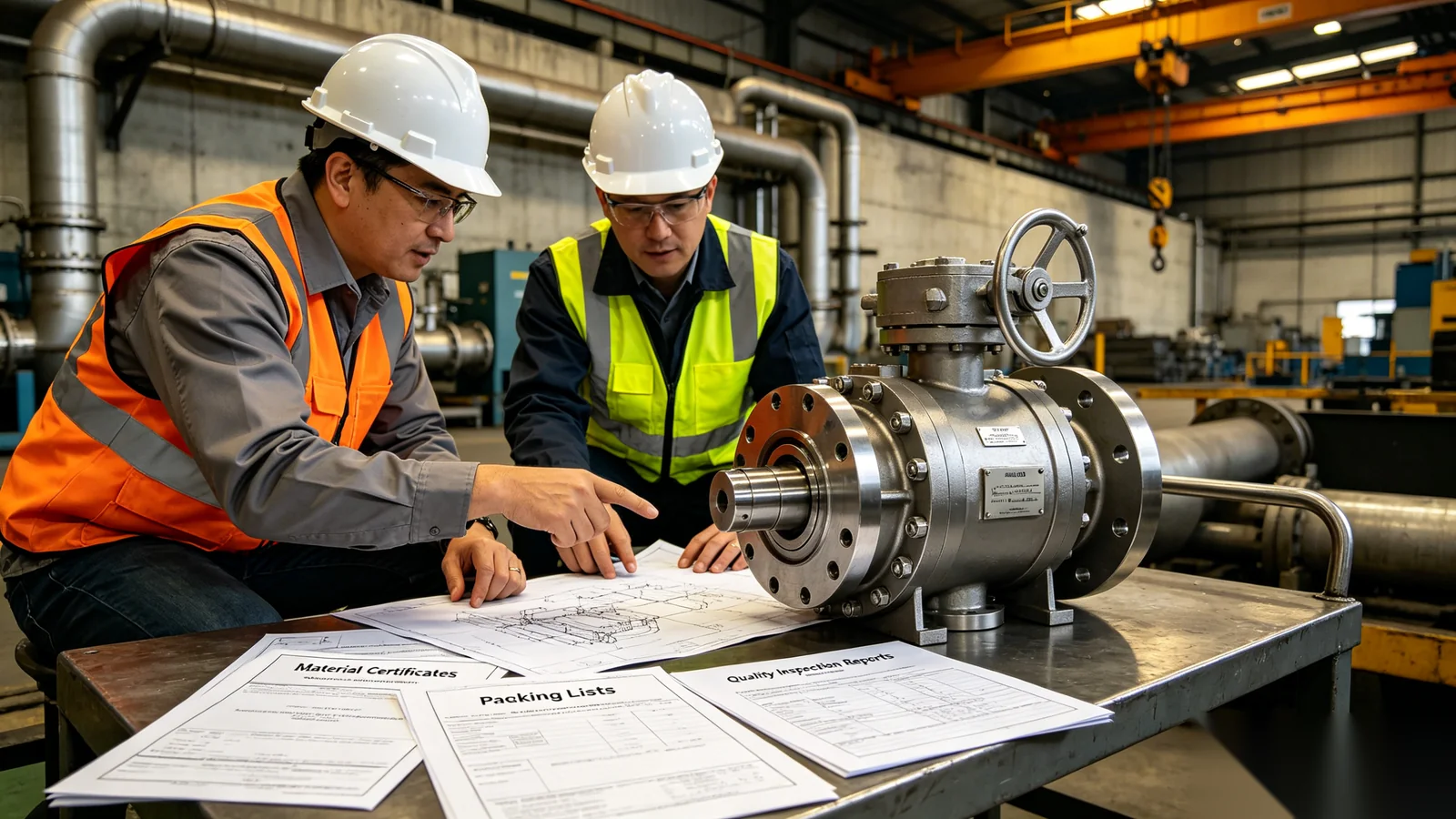
Engineering deliverables include 2D installation drawings, 3D models for layout clash checks, torque and effort tables, and maintenance instructions formatted for owner manuals. Technical support responds to bid clarifications, reviews actuator compatibility, and assists commissioning teams with stroke verification and override procedures. Export projects receive collated certificates and packing lists aligned to customs and site receiving. When specifications conflict — for example, dust exposure class versus actuator envelope — engineering documents the resolution before manufacture. This documentation-first approach reduces construction delays on mining jobs where pipe racks and galleries are congested and rework is costly.

Engineering team reviewing mining EPC valve automation submittals and CAD drawings
EPC / OEMProject support

Production Quality

Manufacturing and Quality Assurance for Mining Applications

Precision machining, torque verification, abrasion testing, dust protection inspection, and export quality control — manufacturing discipline aligned to long-term mining infrastructure reliability.

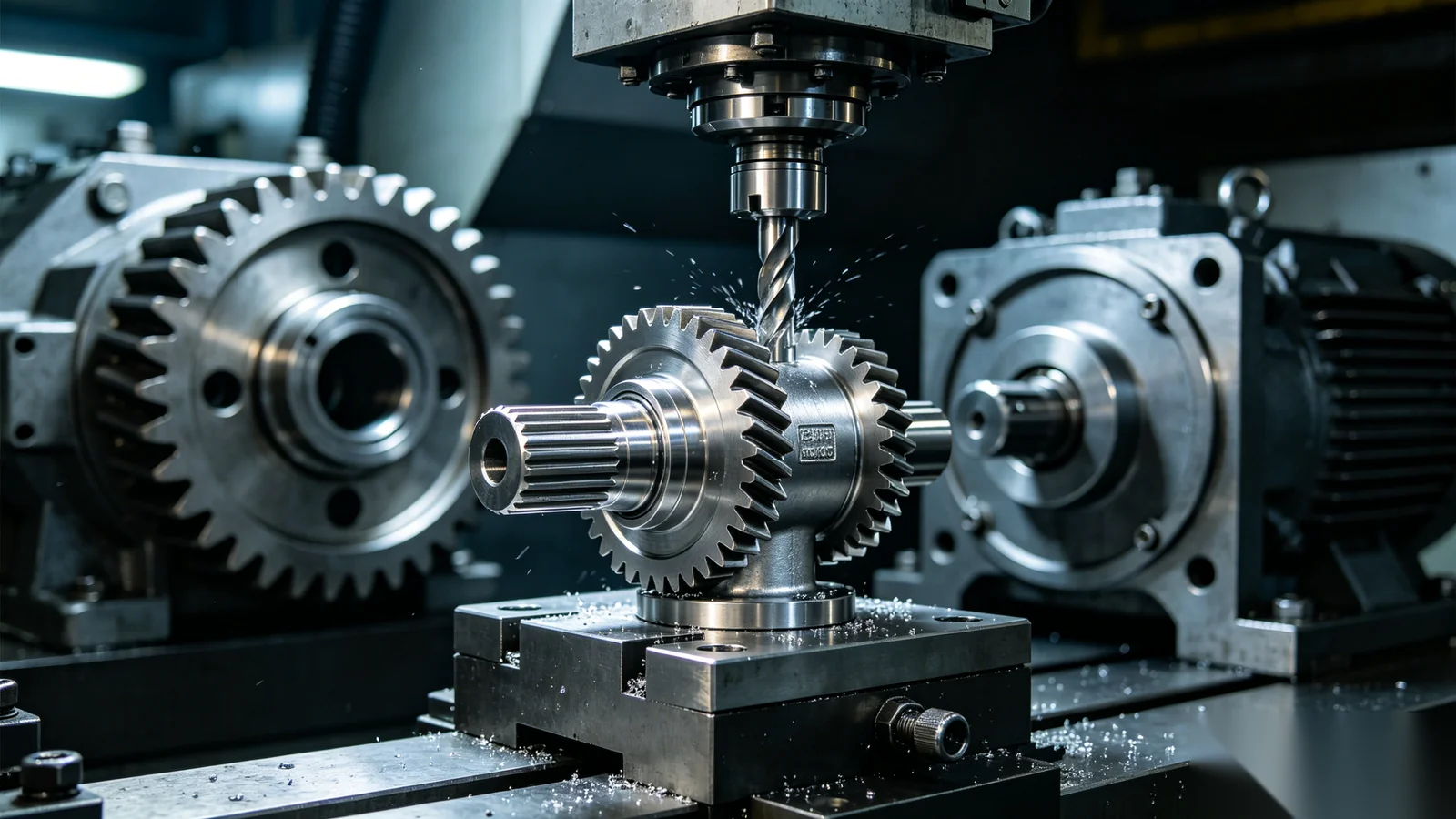
Mining industry gear operators must be manufactured with the same rigor as valves they drive: controlled machining, verified torque, inspected dust sealing and coatings, and traceable release. CNC machining produces housings, covers, and worms to drawing tolerances; assembly stations confirm rotation, backlash, and handwheel effort; coating lines apply environmental protection with thickness checks; export packing protects finishes in transit to global mine sites. Abrasion resistance testing and salt-spray validation support coating specifications claimed for slurry areas and outdoor service. Quality assurance integrates with ISO 9001 procedures — incoming material checks, in-process dimensions, and final bench tests — so EPC inspectors and OEM auditors find consistent evidence. The manufacturing grid summarizes process capabilities most cited when qualifying suppliers for mining and heavy industrial projects.

Precision CNC Machining

Housings, covers, and worms machined to released drawings — ISO 5211 interfaces and bearing bores held for stiff, aligned assembly.

Torque Verification

Bench testing confirms output torque and handwheel effort — results traceable to batch or tag when mining project ITPs require.

Abrasion Resistance Testing

Abrasion simulation and coating validation support slurry-area exposure claims on mining submittals.

Heavy Duty Assembly Inspection

Rotation, backlash, and sealing checks before release — prevents field discovery of mechanical issues on critical slurry isolation valves.

Dust Protection Inspection

Sealing and gasket integrity checks before release — critical for concentrator and outdoor rack installations in dusty environments.

Export Compliance Systems

Marking, documentation, and moisture-resistant packing for international mining and heavy industrial infrastructure shipments.

Manufacturing and quality inspection of worm gear operators for mining applications
ISO 9001Quality assurance

Client Value

Why Mining Industry Clients Choose Our Valve Gear Operator Solutions

12k Nm
Peak Torque Capacity
IP68
Dust & Submersion
80+
Countries Exported
20+
Years Mining OEM
Heavy duty gearbox engineering expertise

Application focus on slurry, tailings, and material handling valve duty — not generic industrial catalog language.

Abrasion-resistant industrial systems

Housings and coatings specified for dust, abrasion, and corrosive mine atmospheres.

IP67/IP68 protection options

Sealed enclosures for washdown, outdoor racks, and underground gallery valve installations.

Mining automation support

Torque-rated worm gearboxes compatible with electric actuators, SCADA, and manual emergency override.

OEM/EPC project capability

Tagged submittals, CAD releases, and schedule-aware production for mining projects.

Precision manufacturing systems

CNC machining, assembly inspection, and torque verification under ISO quality procedures.

Export experience

Documentation and packing aligned to international mining and heavy industrial infrastructure.

Technical engineering support

Bid, submittal, and commissioning assistance for gear operator and actuator coordination.

Common Questions

Frequently Asked Questions

What valve types are commonly used in mining systems?+

Mining facilities typically use knife gate valves for abrasive slurry isolation, butterfly valves on large-diameter process headers, and gate valves for tailings, dewatering, and utility shutoff. Check valves protect slurry pumps; control valves regulate level and flow where automated loops are required. Gear operators match valve motion: quarter-turn worm gearboxes for butterfly and knife gate valves, multi-turn units for gate valves. Selection should consider solids content, breakaway and running torque with safety factors, and whether remote electric actuation is planned at construction or a later automation phase.

Do you provide heavy duty gear operators for slurry applications?+

Yes. Gear operators for mining slurry service are supplied with reinforced torque paths, abrasion-resistant internal components where specified, epoxy or polyurethane coating systems, and sealed enclosures for dusty environments. Ratios and housing sizes are matched to knife gate and butterfly valve torque curves including solids loading. Bench torque verification and coating documentation support EPC submittals. Manual emergency override remains available on actuator-ready configurations for maintenance and power-loss procedures.

Are dust-proof and corrosion-resistant systems available?+

Dust-proof sealing, corrosion-resistant coatings, and IP67/IP68 enclosure options are available where washdown, outdoor exposure, or moisture ingress is expected. IP67 addresses powerful washdown and temporary immersion; IP68 extends protection for defined submersion or flooded chamber conditions when coordinated with installation design. Engineers should specify mine area class — dry processing, wet flotation, or outdoor tailings rack — so sealing and coatings are quoted together on datasheets.

Can your systems support automated mining operations?+

Gear operators are manufactured automation-ready with ISO 5211 mounting, drive interfaces, and torque margins compatible with common electric actuators. Integration with mining SCADA occurs through actuators and plant controls — position feedback, open/close commands, and safety interlocks — while the gearbox provides reliable transmission and manual override. Engineering support reviews actuator models and stem dimensions during bid and submittal to avoid interface conflicts on slurry and tailings tags.

Do you support mining EPC and export projects?+

OEM and EPC support includes tagged submittals, torque tables, installation and 3D CAD data, dust and IP documentation, batch production aligned to construction schedules, and export packing with certificates. Valve OEMs receive harmonized mounting patterns; EPC teams receive engineering responses for specification clarifications and FAT requirements. Technical support continues through commissioning for stroke checks and override procedures on concentrator, tailings, and material handling scopes worldwide.

Need Reliable Valve Gear Operators for Mining Projects?

Share your valve lists, mine area classification, and automation goals — our engineering team aligns heavy-duty worm gear operator solutions with slurry, tailings, and material handling scopes. OEM cooperation, mining automation support, and export documentation are available for global EPC projects. Request a consultation to review torque requirements, dust and abrasion protection, actuator interfaces, and manufacturing schedules before your next mining bid or concentrator upgrade.