Pre-Install
Before Installation
Before any mounting hardware is tightened or any stem coupling is engaged, verify that all components have been received, inspected, and confirmed against project specifications. Skipping pre-installation checks is one of the most common causes of field rework — damaged housings installed under schedule pressure, incorrect model numbers mounted to incompatible valves, and missing documentation discovered only at commissioning. A structured receiving inspection takes minutes and prevents days of corrective work.
Check Product Identification
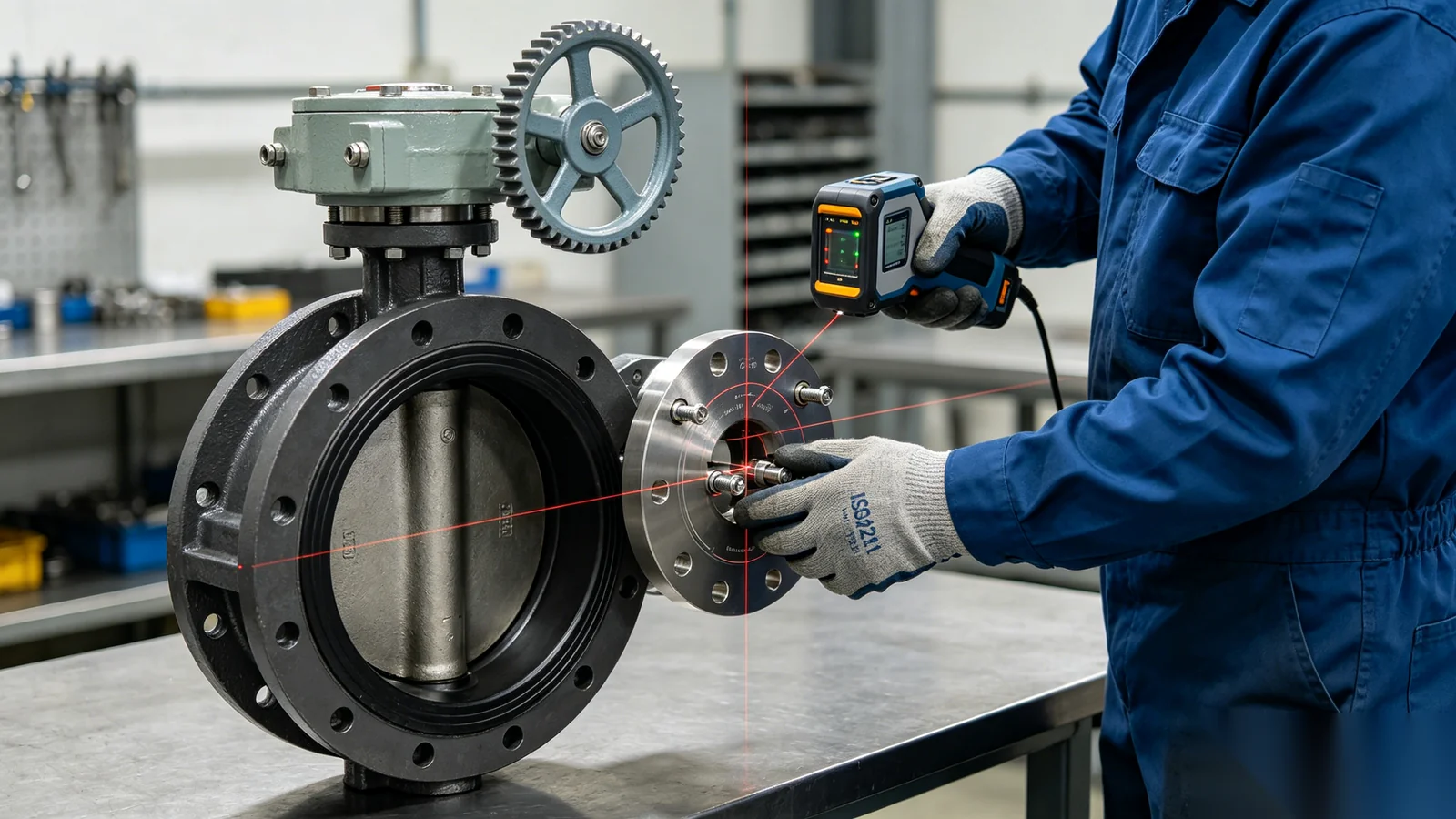
Verify the model number, gear ratio, torque rating, valve compatibility, mounting standard, and environmental protection level against your purchase order and valve datasheet. Confirm that the gear operator's rated output torque meets or exceeds the calculated valve operating requirement with appropriate safety factor. Check the ISO 5211 flange code, stem bore or coupling type, and any adapter plate part numbers included in the shipment. Specifications must match application requirements — including temperature range, duty class, and corrosion protection — before proceeding to installation.
Inspect for Shipping Damage
Inspect the housing condition, handwheel, input shaft, mounting flange, fasteners, and protective coatings for signs of impact, corrosion, or transit damage. Look for cracked castings, bent handwheel spokes, nicked shaft surfaces, stripped threads, and compromised paint or coating systems. Verify that all nameplate data is legible and matches the order. Do not install damaged equipment — contact the supplier immediately with photographic documentation and request replacement or repair authorization before mounting to the valve.
Review Technical Documentation
Ensure installers have access to product datasheets, CAD drawings, mounting dimensions, installation instructions, and torque specifications before work begins. Confirm bolt grade requirements, tightening sequences, lubrication type, and any orientation restrictions noted in the manual. For EPC projects, cross-reference submittal documents against delivered equipment. Having documentation on site during installation allows real-time verification of flange dimensions, stem engagement depth, and travel stop settings rather than discovering discrepancies after the gear operator is already bolted in place.