Engineering Knowledge and Technical Support
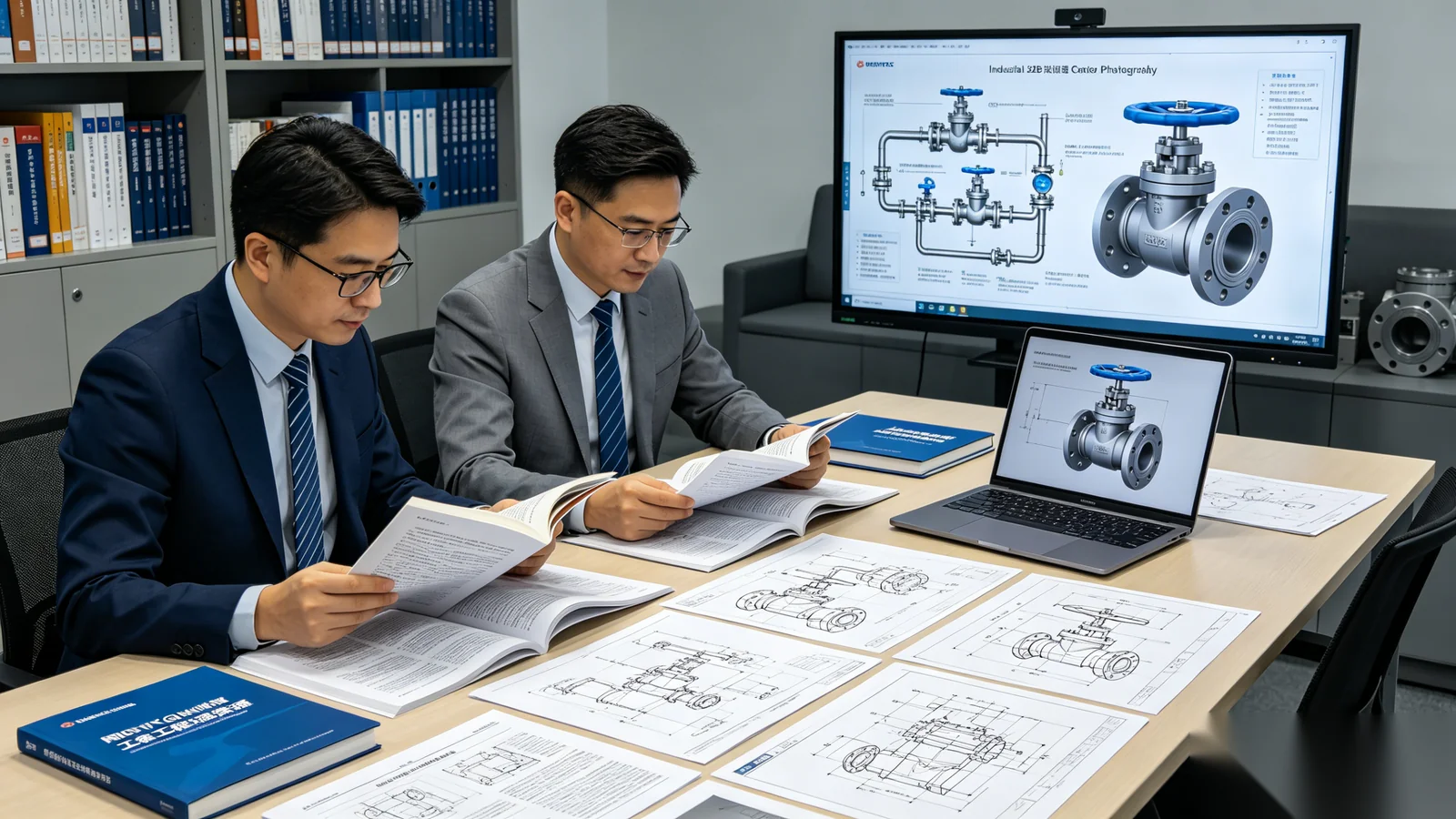
Deep-dive guides on worm gear selection, break-to-open vs. run torque, safety factors and stem interface design for butterfly, ball, plug and gate valves.
Engineering Resources · Technical Knowledge
Access engineering knowledge, installation and maintenance guidance, OEM technical resources, and industry case studies for worm gear operators and bevel gearboxes — built for plant engineers, EPC teams and valve OEMs worldwide.
Resource Hub
Our engineering resource library supports specification, procurement and field service for manual and automated valve gear operators across water, energy, mining and process industries.
Content is written by application engineers who size torque, validate ISO 5211 interfaces and support OEM programs daily — not generic marketing copy. You will find installation procedures aligned to factory test records, valve automation integration notes, and downloadable datasheets for submittal packages.
Deep-dive guides on worm gear selection, break-to-open vs. run torque, safety factors and stem interface design for butterfly, ball, plug and gate valves.
Industry tracks for water, oil & gas, power and mining — plus NDA-friendly OEM packs with 3D models, installation envelopes and FA quality records.
Comparison frameworks for duty class, flange series and lead times — plus glossary, white papers and routes to our engineering desk for sizing validation.
Technical Blog
Our technical blog publishes practical articles for plant engineers, OEM product managers and EPC specifiers — focused on valve gear operators, not general valve marketing. Topics span fundamentals of worm gearing, integration with electric and pneumatic actuators, installation best practices on ISO 5211 mounts, and field troubleshooting when operating torque rises or position indication drifts. Articles reference measurable criteria: torque bands, flange dimensions, lubrication intervals and environmental protection classes. Bookmark these categories to stay informed as we add application notes from factory testing benches and global project lessons.
Foundational articles on worm gear ratios, self-locking behavior, handwheel sizing and matching operators to quarter-turn versus multi-turn valves.
Read Gearbox BasicsHow manual gear operators interface with actuators, overrides and control systems — including adapter selection and SCADA-ready position feedback.
Explore AutomationStep-by-step mounting, alignment, lubrication and inspection guidance to extend service life and prevent stem side-load damage.
Installation & Maintenance
Knowledge Center
The Knowledge Center consolidates specification-grade guides used by our application engineering team and shared with OEM partners under project NDAs. Each guide ties catalog models to selection logic: how to calculate required torque from valve datasheets, interpret ISO 5211 flange and stem dimensions, choose ductile iron versus stainless housings, and specify IP67 or IP68 protection for outdoor, buried or submerged service. Heavy-duty application briefs cover elevated safety factors, hardened worm sets and bearing upgrades for high-cycle or abrasive media. Automation system notes document adapter kits, declutchable overrides and clearance envelopes for electric actuator integration — helping you avoid field clashes between gear housings and actuator footprints.
Side-by-side comparison of worm and bevel gear operators — self-locking, efficiency and valve type suitability.
When to specify a manual gear operator versus an electric actuator — cost, control and duty cycle.
Why worm gears hold valve position without back-driving — lead angle, friction and design cautions.
Ingress protection classes for gearbox enclosures — what each IP digit means and IP65 vs IP67 vs IP68.
How gear ratio converts handwheel effort into valve torque, and why efficiency reduces real output.
How declutchable overrides give automated valves a manual backup during power loss or maintenance.
Project Evidence
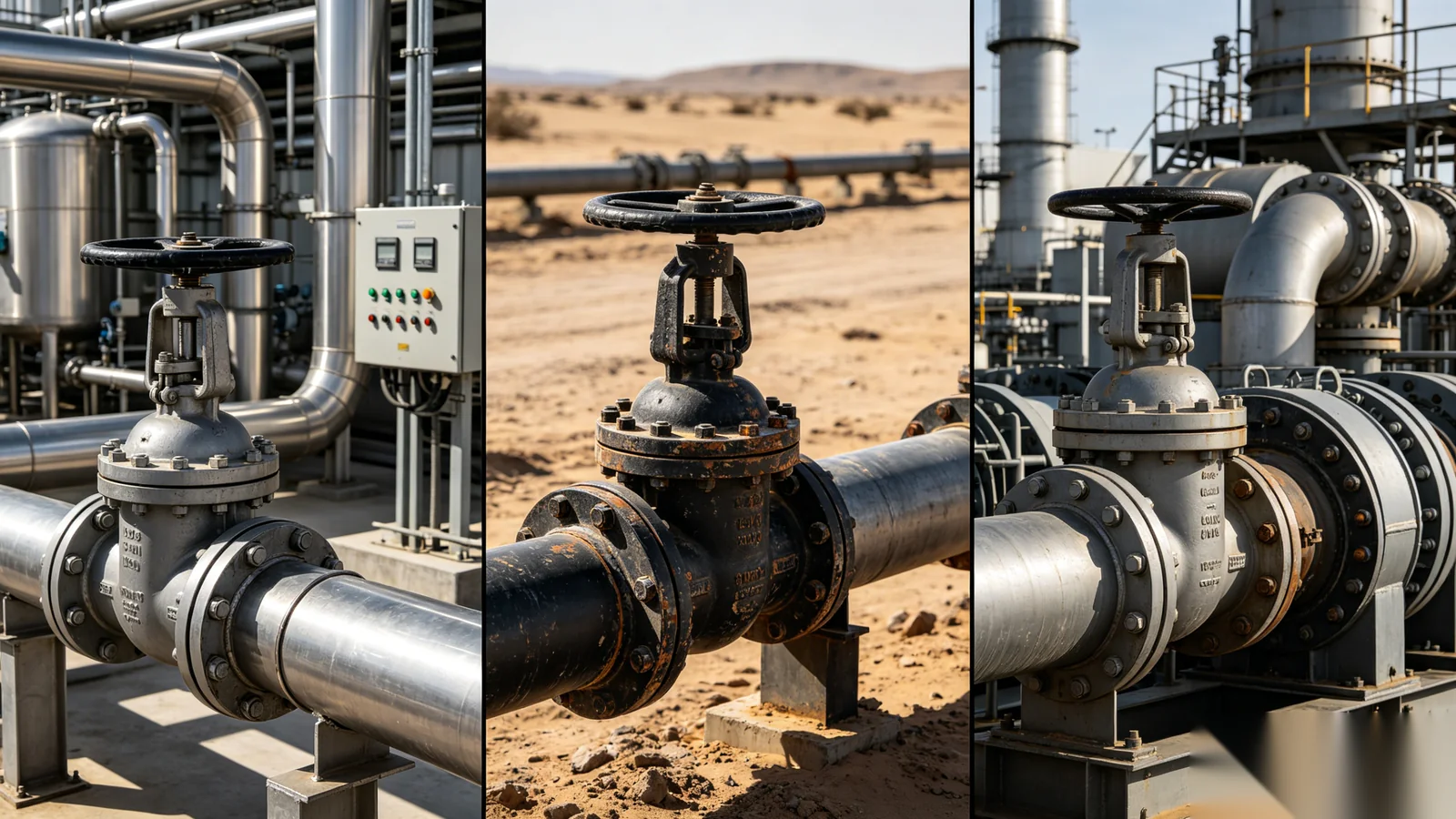
Case studies translate engineering resources into verified field outcomes. Each summary documents the process environment, valve and operator pairing, torque margin, materials and protection rating, plus lessons for similar projects. Municipal water and desalination references highlight corrosion control and high-cycle isolation. Oil and gas entries address API-aligned documentation and pipeline isolation duty. Power generation cases cover temperature extremes and long idle periods. Mining projects emphasize abrasive media and hardened drivetrains. OEM customer stories show private-label programs, first-article testing and series production ramp. Export project cases illustrate documentation packages, witness tests and logistics for EPC teams in 80+ countries — giving engineers and buyers confidence backed by data, not slogans.
Municipal and industrial treatment — chlorinated coatings, ISO 5211 retrofit kits and IP68 operators for wet wells.
Midstream isolation with API 6D alignment, fire-zone notes and torque test records per lot.
Thermal and combined-cycle BOP — extended duty cycles and spare-part programs for outage windows.
Slurry lines with hardened worms, oversized thrust bearings and heavy-duty housings.
Private-label operators, custom stems, nameplate branding and FA torque validation.
EPC submittals with CoC, EN 10204 3.1 reports and witness inspection aligned to site QA.
Insights
Stay ahead of specification changes and automation trends with engineering white papers and concise industry news curated for valve gear stakeholders. White papers explore topics such as torque margin methodology, comparing ductile iron and stainless housings in corrosive duty, and integrating manual operators with modern actuators without compromising override safety. Industry news highlights standards updates, manufacturing quality developments and OEM supply-chain practices that affect delivery documentation and field acceptance. Content is reviewed by our application engineering leads before publication — ensuring technical accuracy for use in internal training, customer seminars and project kickoff packages.
Downloadable PDF analysis for engineering review and OEM onboarding — torque safety factors, lifecycle cost of materials in coastal service, and ISO 5211 adapter checklists for legacy valve fleets.
Compact actuator footprints on ISO 5211 mounts, declutchable overrides for remote SCADA sites, and digital twin readiness with STEP models at order confirmation.
New catalog torque ratings, coating approvals and manual revisions — with quarterly digests and immediate alerts for critical specification changes on active orders.
Visual Learning
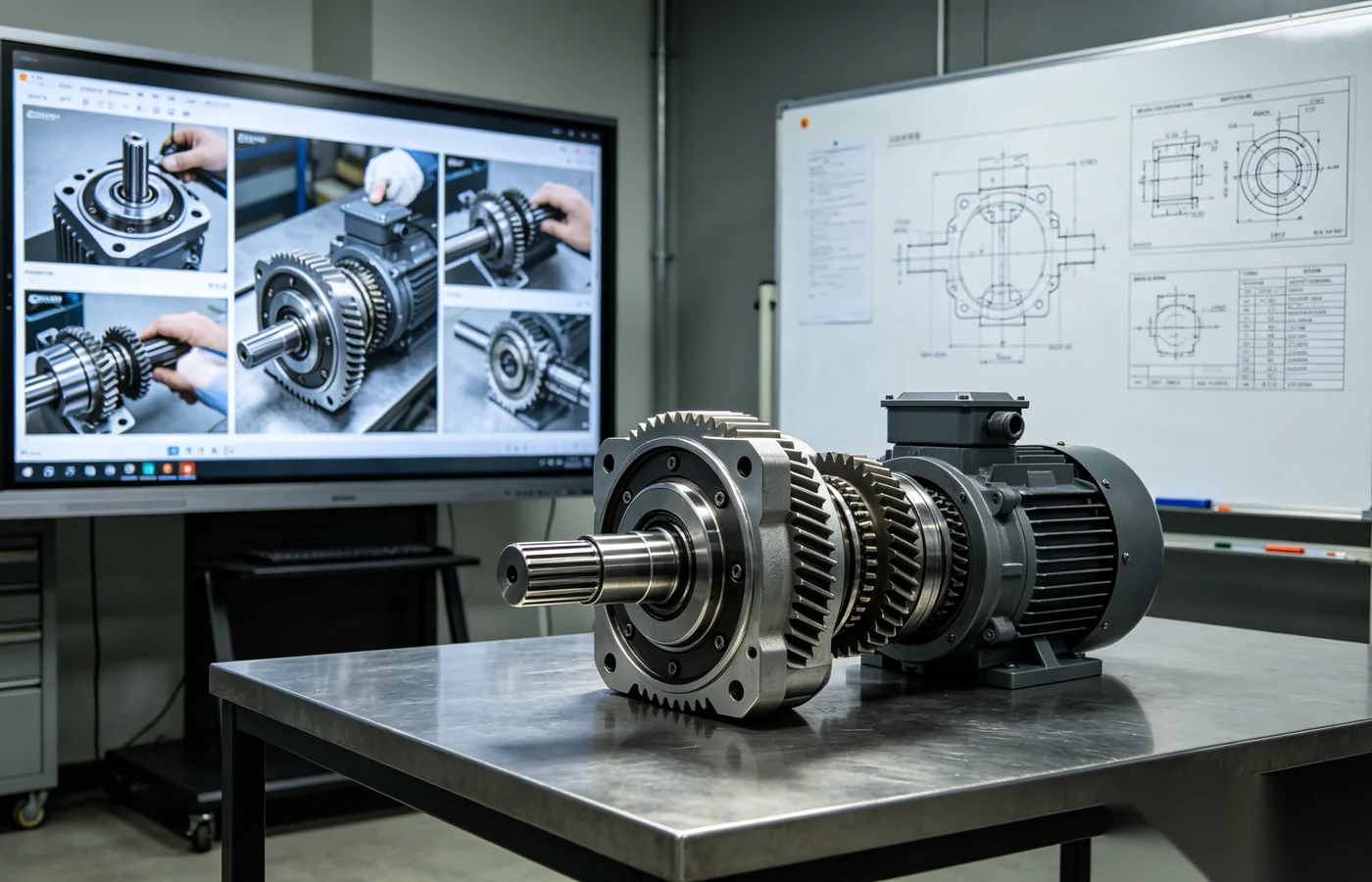
Video resources complement written guides for technicians and engineers who learn faster through visual demonstration. Our library includes product overviews showing worm gear and bevel gearbox internals, installation sequences on ISO 5211 flanges, factory walkthroughs of machining and torque test benches, and maintenance procedures for lubrication and seal replacement. OEM manufacturing videos illustrate private-label assembly lines, nameplate application and packaging for export. Technical training modules support distributor and end-user workshops — covering safe handwheel operation, declutch procedures and common field mistakes that cause stem binding or housing damage. Videos are hosted for stable playback globally; transcripts and related PDFs are linked where available.
Quarter-turn worm gears, bevel units and declutchable models with torque range callouts.
Flange alignment, bolt torque patterns, stem engagement and post-install tests.
CNC machining, assembly, 100% torque bench testing and QA workflow.
Lubrication intervals, seal inspection, wear indicators and safe overhaul disassembly.
Private-label production, custom nameplates and export packaging.
Workshop modules for distributors on selection, operation and troubleshooting.
Terminology
Consistent terminology speeds communication between valve OEMs, EPC contractors and plant maintenance teams. This glossary defines terms commonly used in gear operator datasheets, ISO standards and automation specifications — focused on manual gear drives rather than general valve design. Use these entries alongside our Knowledge Center guides when reviewing submittals, writing purchase specifications or training new engineers. For extended definitions and cross-links to selection tools, visit the full glossary section.
Why ValveWormGear
Our resource hub is maintained by the same team that sizes operators, issues CAD models and signs torque test certificates — so content reflects factory capabilities and field experience.
Articles and guides written for specification and field use, not consumer-level summaries.
NDA-friendly packs for private-label programs, FA testing and drawing control.
Water, energy, mining and process examples with realistic torque and material choices.
Integration notes for actuators, overrides and position feedback on gear operators.
Datasheets, manuals and CoC packages aligned to EPC submittal requirements.
Step-by-step procedures that match factory assembly and test methods.
Documentation and logistics lessons from shipments to 80+ countries.
Upgraded materials and bearings for abrasive, high-cycle and high-torque duty.
FAQ
Our resource hub includes the Knowledge Center (selection, torque, ISO 5211, IP ratings and automation guides), technical blog categories, downloadable white papers, industry news, video tutorials, project case studies and a terminology glossary. Support-aligned content covers installation, operation, maintenance and troubleshooting. OEM partners access additional NDA documentation through our engineering desk. Most resources are free to browse; PDF downloads and CAD models are available through the Download Center after simple registration for version tracking.
Yes. Engineering guides explain sizing methodology, flange compatibility and environmental protection selection. CAD resources include STEP, IGES and SolidWorks models plus dimensioned installation drawings — typically issued within 24–48 hours after model confirmation. Guides cross-reference catalog torque tables and test bench procedures so submittal packages match as-built units. For EPC projects we can bundle indexed document sets with your project numbering convention.
Yes. Case studies cover water treatment, oil and gas, power generation, mining, OEM programs and export EPC projects. Each summary lists application conditions, operator model class, torque margin, materials and key lessons. They are intended for engineering and procurement review — not marketing testimonials alone. Additional project references can be shared under NDA when your application closely matches a completed installation.
Datasheets, installation manuals, white papers and selected certificates are available from the Download Center. Registration helps us notify you of document revisions affecting active projects. Large CAD packages may be delivered via secure link for bandwidth efficiency. Commercial terms and pricing remain with sales; downloads focus on technical content for engineering evaluation and site use.
We publish technical blog articles on gearbox fundamentals, valve automation integration and installation/maintenance best practices — written by application engineers. Industry news and white papers address standards, manufacturing quality and automation trends. Subscribe through our contact form for quarterly digests; critical specification updates are emailed to registered project contacts with open orders.
Browse our Knowledge Center, review industry case studies, download datasheets and CAD models, or contact our engineering team for sizing validation and OEM program support. Whether you need a single operator submittal or a global supply documentation framework, we provide technical resources aligned to industrial QA expectations — from specification through commissioning and long-term maintenance.