ISO 9001 API 6D CE / PED EN

Oil & Gas · Pipelines · Offshore · High Pressure

Valve Gear Operator Solutions for Oil and Gas Applications

Oil and gas infrastructure depends on valve gear operators that perform under extreme pressure, hazardous environments, and safety-critical duty — from midstream pipeline isolation and refinery flow control to offshore platform emergency shutoff. We engineer heavy duty worm gear operators for ball valves, gate valves, butterfly valves, and emergency shutdown systems where torque margin, corrosion resistance, and reliable manual override are non-negotiable. This solution page documents how gearbox selection supports pipeline integrity, refinery uptime, and offshore safety — application understanding EPC contractors, valve OEMs, and owner-operators can evaluate against real P&IDs, not generic catalog claims.

High Pressure Rated Offshore Protection ESD & SCADA Ready

Industry Context

Industrial Valve Automation for Oil and Gas Systems

Upstream production, midstream pipelines, and downstream refining share a demanding control challenge: valves must isolate, divert, and throttle hydrocarbon flows at pressures and temperatures that punish undersized operators and unprotected materials. Valve automation in oil and gas is not only about rotating a stem — it is about matching gear operators to valve type, break and running torque, fire-safe and emergency shutdown requirements, and hazardous-area classifications while preserving dependable manual override when power or instrument air fails. Flow control reliability directly affects process safety, environmental protection, and asset availability, so gearboxes must hold position under differential pressure, resist back-driving on large ball and gate installations, and survive decades of service in corrosive offshore salt spray or desert heat.

Long-term performance in energy infrastructure depends on torque verification, sealing strategy, and integration discipline as much as on nominal ratio selection. Engineers specify ball valves for pipeline block and bleed, gate valves for tight isolation on manifolds, butterfly valves for large-bore low-torque lines, and dedicated emergency shutdown valves tied to safety instrumented systems. Corrosion-resistant coatings, stainless hardware, and IP-rated enclosures are baseline practice for outdoor pipeline stations and offshore modules — not optional upgrades. Whether the project is a greenfield LNG export terminal, a refinery turnaround, or a subsea tieback interface, valve gear operators sit at the intersection of mechanical robustness, automation readiness, and regulatory scrutiny. The sections below map applications, heavy duty gearbox solutions, harsh-environment protection, emergency operation, sector-specific pipeline and offshore needs, project support, and manufacturing assurance for oil and gas stakeholders.

Valve Automation Requirements in Oil and Gas Facilities

Oil and gas facilities segment hydrocarbon flow through wellheads, separators, compressors, fractionation trains, and export metering — each stage uses isolation, control, and emergency valves with distinct torque and speed requirements. Ball valves dominate pipeline block valves and many process isolation points; gate valves provide tight shutoff on manifolds and drain lines; butterfly valves appear on large cooling and utility headers. Gear operators must align with ISO 5211 mounting patterns, stem extensions for buried or elevated installations, and clearance for actuators, positioners, and partial-stroke test devices. Duty cycles range from infrequent ESD strokes to regular pipeline pigging isolation and refinery turnaround exercise. Specifiers should document operating torque with safety factors, media class, and hazardous-area requirements so gearbox ratio, housing strength, and materials match real loads rather than catalog minimums.
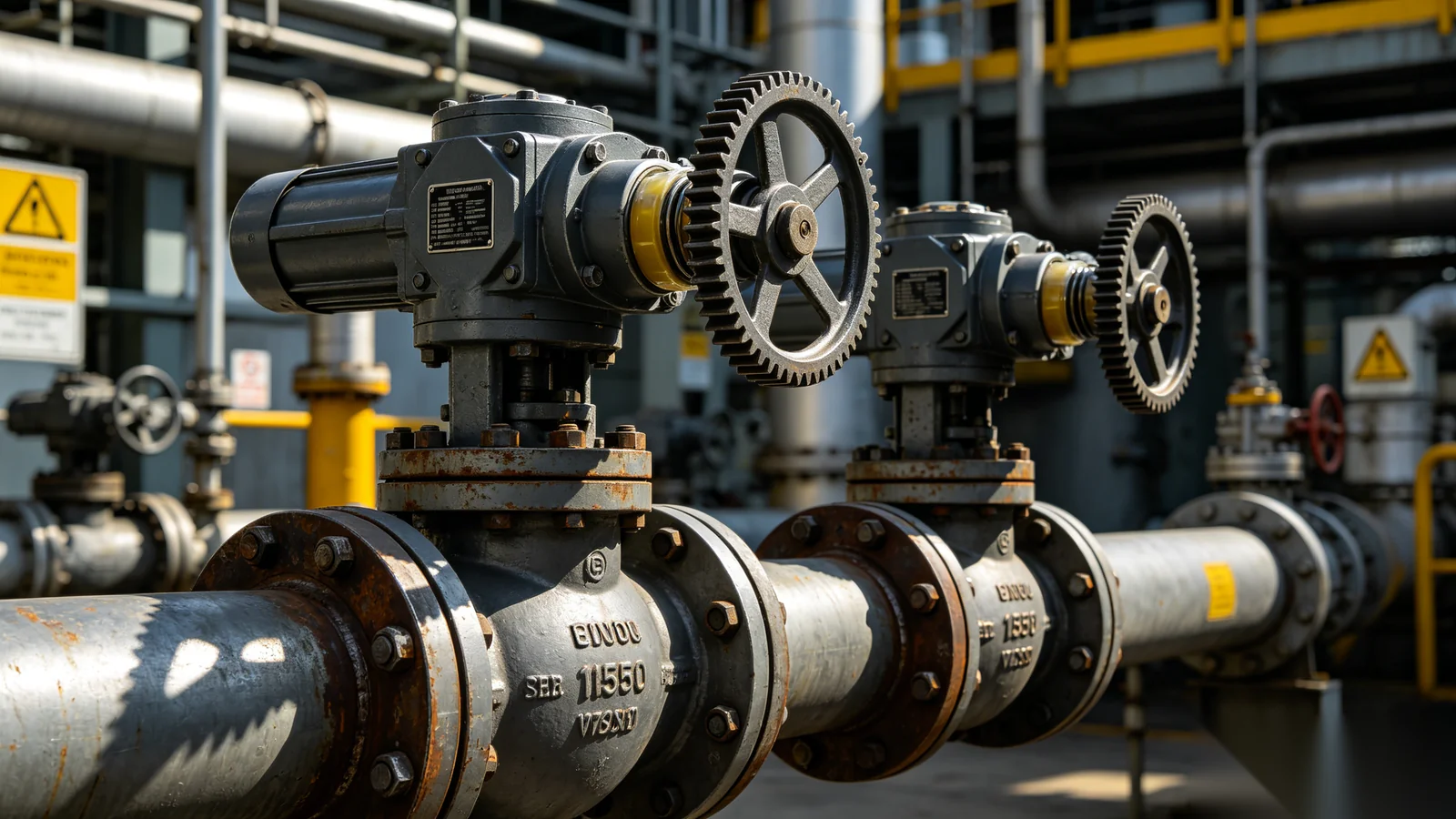
Importance of Reliable Gear Operators in High Pressure Systems

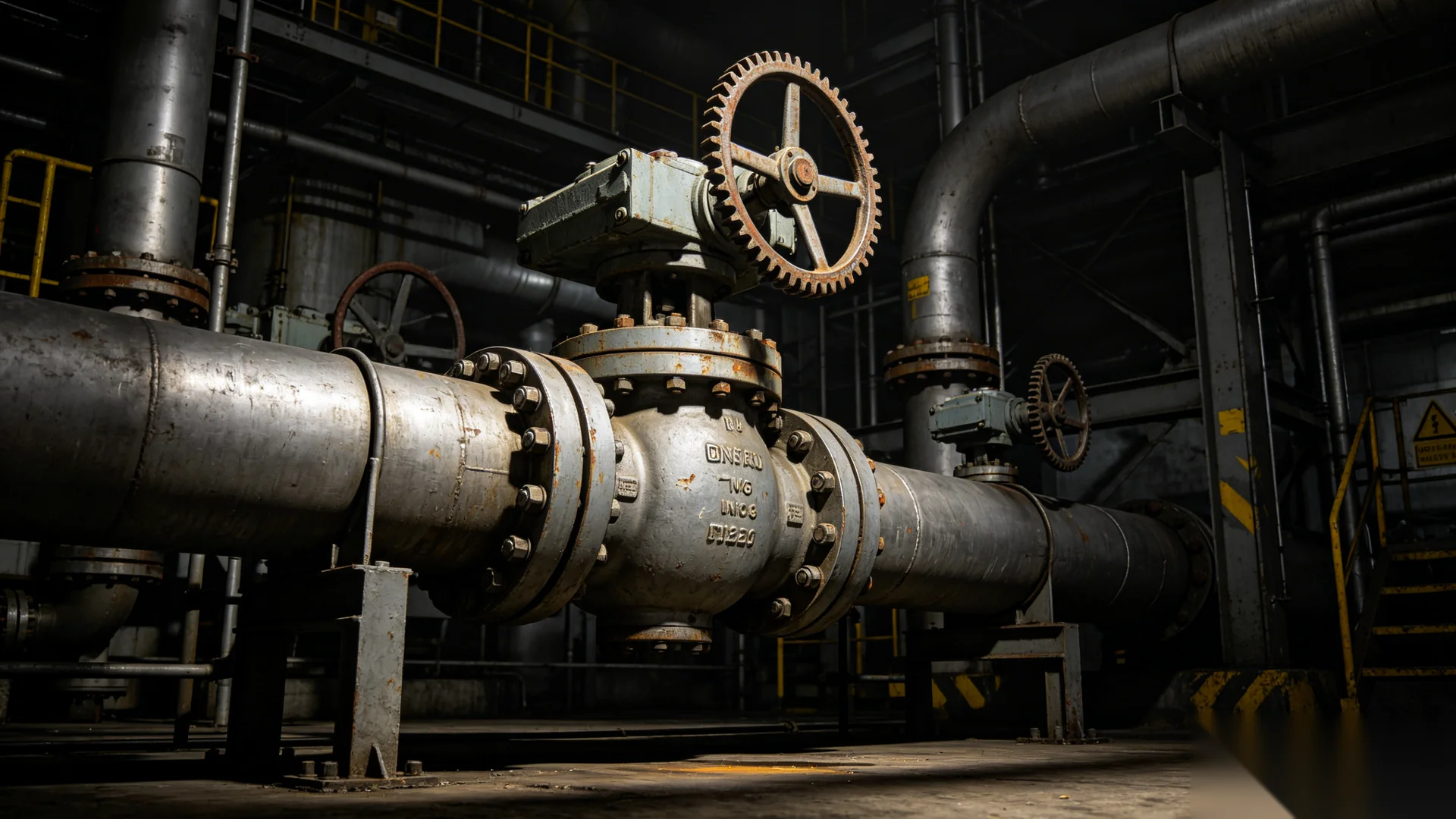
High pressure pipeline and process systems cannot tolerate seized, drifting, or under-torqued valves — a failed isolation point escalates to product release, fire risk, or unplanned shutdown. Reliable gear operators provide self-locking worm stages that hold position without continuous power, critical when electric or pneumatic actuators are de-energized. Mechanical integrity — hardened worms, aligned bearings, controlled backlash — delivers repeatable torque transmission and safer handwheel effort for field technicians in full PPE. Maintenance programs value standardized operators across a station or platform so spares, torque procedures, and training stay consistent. For owners, lifecycle cost favors gearboxes that resist salt spray, maintain coating integrity under UV, and accept actuator retrofit without replacing valve topworks. Engineering trust comes from documented bench torque verification, materials matched to offshore or desert exposure, and technical support during pre-commissioning and SAT.

Heavy Duty Valve Control for Critical Infrastructure

Critical oil and gas infrastructure increasingly combines manual gear operators with electric actuators, pneumatic scotch-yoke or rack-and-pinion drives, and supervisory control for remote operation, leak detection coordination, and pipeline batch management. Heavy duty valve control packages must bridge quarter-turn and multi-turn valves, declutchable manual override where specified, and interfaces compatible with major actuator footprints and SIL-rated ESD logic. Torque paths should tolerate defined stuck-valve conditions without stem yield or seat damage. Outdoor compressor stations, offshore modules, and desert gathering lines demand environmental ratings, flameproof or intrinsically safe options, and conduit entries planned during FEED — not field-fitted after steel is up. Procurement emphasizes traceability, material certificates, and alignment with API-influenced practices. Automation-ready worm gearboxes let operators phase investment: manual operators at mechanical completion, actuators and SCADA integration at commissioning when controls infrastructure is ready.

Facility Applications

Valve Applications in Oil and Gas Facilities

From pipeline block valves through refinery process units and offshore production manifolds, oil and gas facilities deploy ball, gate, and butterfly valves for isolation, flow control, and emergency shutdown — each location imposes distinct torque, pressure, and access constraints on gear operators.

Application engineering starts with where the valve sits in the hydrocarbon chain and what failure modes must be prevented. Transmission pipelines use welded-body ball valves for piggable isolation; refinery units favor gate and ball valves on process lines rated for temperature cycles; offshore topsides pack valves into congested modules with salt-laden atmospheres and vibration. Emergency shutdown valves demand verified stroke time, torque margin, and compatibility with safety logic — gear operators must not become the weak link. The grid below summarizes common oil and gas valve roles and how heavy duty gear operators support pipeline isolation, refinery flow control, and offshore safety systems — a reference for OEM valve assemblers, EPC mechanical teams, and integrity engineers reviewing valve automation submittals.

Ball Valve Systems

Quarter-turn worm gear operators sized for trunnion and floating ball valves on pipelines and process headers — high break torque paths with self-locking worm pairs for pressure-boundary isolation.

Pipeline Isolation Valves

Block, bypass, and sectionalizing valves on midstream lines — gearboxes rated for buried, above-ground, and compressor station installations with extension stems where required.

Refinery Flow Control Systems

Process isolation and routing on crude, reformer, and utility systems — operators tolerant of temperature swing, vibration, and periodic full-stroke exercise under differential pressure.

Emergency Shutdown Valves

ESD and HIPPS-related isolation — torque margins and stroke reliability coordinated with actuator and safety system designers for SIL-aware installations.

Offshore Valve Systems

Topside and platform manifolds — corrosion-resistant finishes, sealed enclosures, and compact footprints for module layouts with strict weight and access limits.

High Pressure Pipeline Applications

High-pressure gas transmission and gathering — reinforced housings and verified torque for class-rated ball and gate valves on critical energy infrastructure.

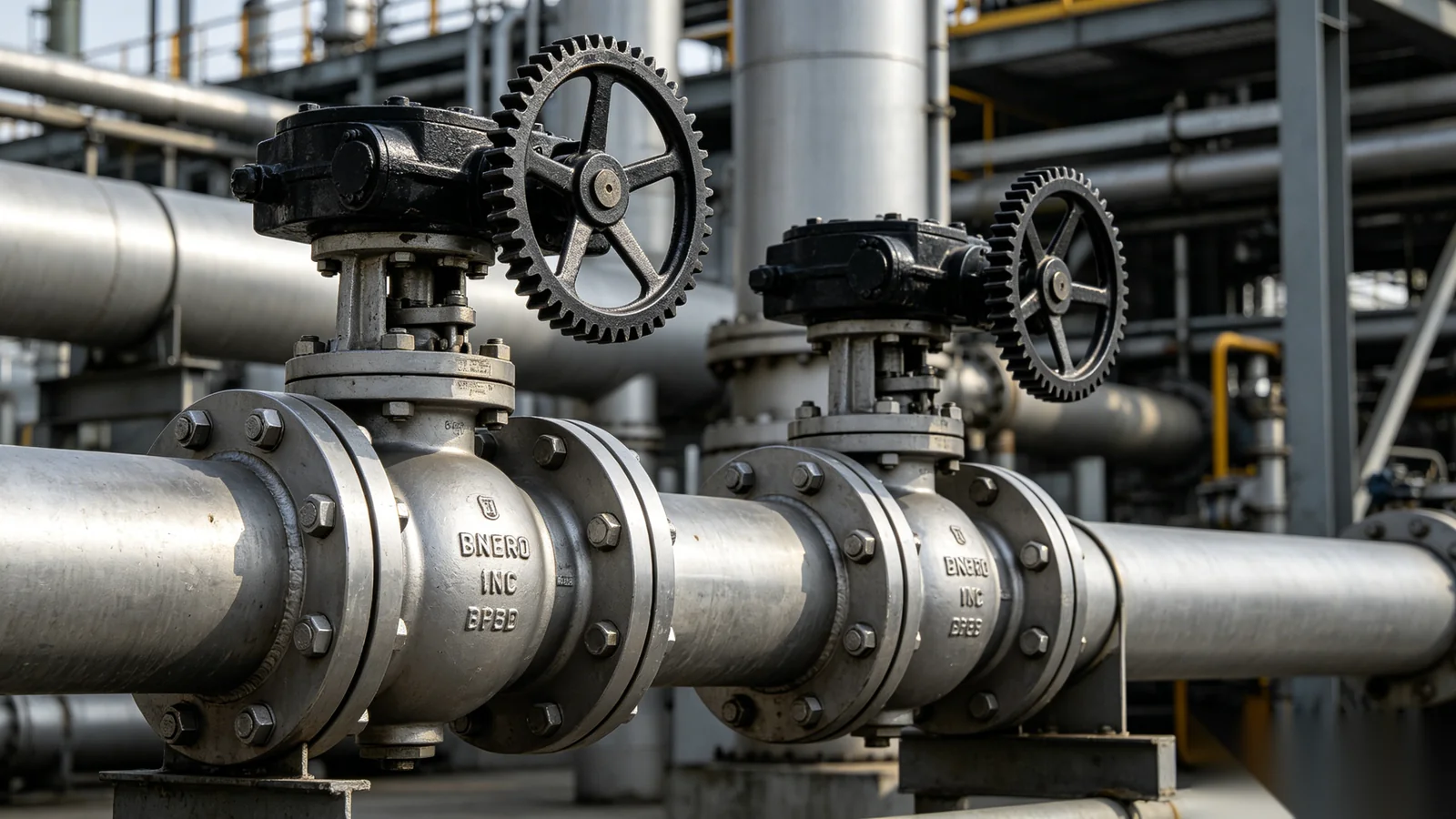
Ball and gate valves with gear operators on oil and gas pipeline and refinery installation
IsolationOil & gas applications

Gearbox Engineering

Heavy Duty Gear Operator Solutions for Oil and Gas Applications

High torque worm gearboxes, quarter-turn and multi-turn drives, self-locking stages, and automation-ready topworks engineered for long service life in pipeline, refinery, and offshore duty.

Oil and gas gear operators translate handwheel or actuator input into controlled valve motion while resisting back-driving, vibration, and environmental attack. Quarter-turn solutions pair with ball and butterfly valves; multi-turn units serve gate and globe patterns; self-locking worm geometry is standard for position hold when actuators are de-energized during ESD events. Heavy duty torque transmission uses hardened worms, thrust-capable bearing layouts, and housings machined for stiff mounting to ISO 5211 patterns under high stem loads. Emergency manual override remains mandatory where electric or pneumatic actuators are primary — parallel handwheel or declutchable paths support lockout-tagout and power-loss procedures. Automation-ready configurations reserve stem clearance, drive bushings, and mounting interfaces for electric and pneumatic actuators so projects can upgrade without replacing valve topworks. The feature grid outlines gearbox capabilities most referenced in oil and gas valve specifications and OEM data sheets.

High Torque Worm Gear Operators

Worm stages sized for high break torque on large ball and gate valves — ratio families matched to pipeline class, seat type, and safety-factor requirements.

Quarter-turn Valve Systems

90° operators for ball and butterfly valves — bench-verified output torque and handwheel effort documented for owner and EPC submittals.

Multi-turn Gearboxes

Bevel and worm drives for rising and non-rising gate valves — thrust and torque capacity aligned to stem type, pressure class, and seat load.

Self-locking Mechanisms

Worm-worm wheel geometry holds valve position without brake power — essential for large isolation valves and energy-isolated actuated stations.

Emergency Manual Override

Handwheel access for actuator-equipped valves — declutchable and parallel override options for maintenance, ESD verification, and black-start scenarios.

Automation-ready Configurations

ISO 5211 topworks, drive bushings, and mounting pads prepared for electric and pneumatic actuators — supports phased pipeline and refinery automation.

Heavy duty worm gear operator for high torque oil and gas ball valve
High TorqueGear operator solutions

Environmental Engineering

High Pressure and Harsh Environment Protection

Oil and gas environments combine high operating pressure, hydrocarbon exposure, salt spray, sand abrasion, and extreme ambient temperatures — all accelerating wear on unprotected mechanisms and finishes. Gear operators in these applications require systematic protection: sealed housings against splash and weather, coatings rated for offshore C5-M or desert UV exposure, and hardware grades that resist galling in corrosive atmospheres. IP67 and IP68 options address pedestal-mounted pipeline valves, offshore module decks, and installations where driving rain or temporary submersion is credible. Material and coating selection should be specified against the actual exposure class — onshore compressor shelter versus open offshore module — rather than defaulting to a single industrial finish. Long-term durability reduces lifecycle cost for operators who cannot afford unplanned valve replacement on buried lines or crane-dependent offshore assets. The topics below detail protection strategies engineers request on oil and gas project datasheets.

Corrosion-resistant Protection Systems

Multi-layer epoxy and polyurethane systems over prepared substrates protect cast and fabricated housings; stainless steel fasteners and stem hardware reduce galvanic risk at dissimilar joints. For offshore and sour-service exposure, upgraded coating thickness, NACE-influenced material choices, and holiday inspection may be specified on datasheets. Worm and wheel materials are selected for wear resistance under cyclic ESD and operational strokes; lubricants compatible with temperature extremes maintain film strength without washing out in driving rain. Engineering documentation should state coating standard, dry film thickness, and touch-up requirements after field fit-up. Valve OEMs benefit from consistent corrosion specs across export pipeline and refinery lines so spares match installed assets through multi-decade field life.

IP67 and IP68 Protection for Harsh Environments

IP67-rated enclosures withstand powerful washdown, driving rain, and temporary immersion at pipeline stations and refinery yards; IP68 options extend protection for prolonged submersion in defined conditions when coordinated with installation design — for example valve pits that may flood during seasonal events. Sealing includes gasketed covers, sealed bearing entries, and cable glands planned for actuator and position feedback leads. Specifiers should align IP class with geometry: an elevated offshore walkway differs from a below-grade pipeline vault. Test reports and certification documentation support EPC quality plans and owner mechanical completion packages. Combining ingress protection with corrosion-resistant coatings addresses both liquid entry and atmospheric salt or chemical attack common in offshore and coastal energy projects.

Offshore and Desert Environment Applications

Offshore platforms face salt spray, UV, vibration, and confined maintenance access; desert gathering and transmission sites face sand abrasion, diurnal temperature swing, and intense solar loading. Gear operators for these locations need drainage that does not trap moisture at the stem, protective covers for handwheels visible under platform lighting, and materials that resist sand ingress into open gearing where applicable. Desert installations often use sunshades and light-color coatings to reduce thermal soak; offshore modules prioritize compact envelope and weight. Extension stems and floor stands for elevated valves must transmit torque without binding through thermal movement. Planning environmental strategy at FEED avoids premature coating failure and stuck valves that disrupt production or trigger safety reviews.

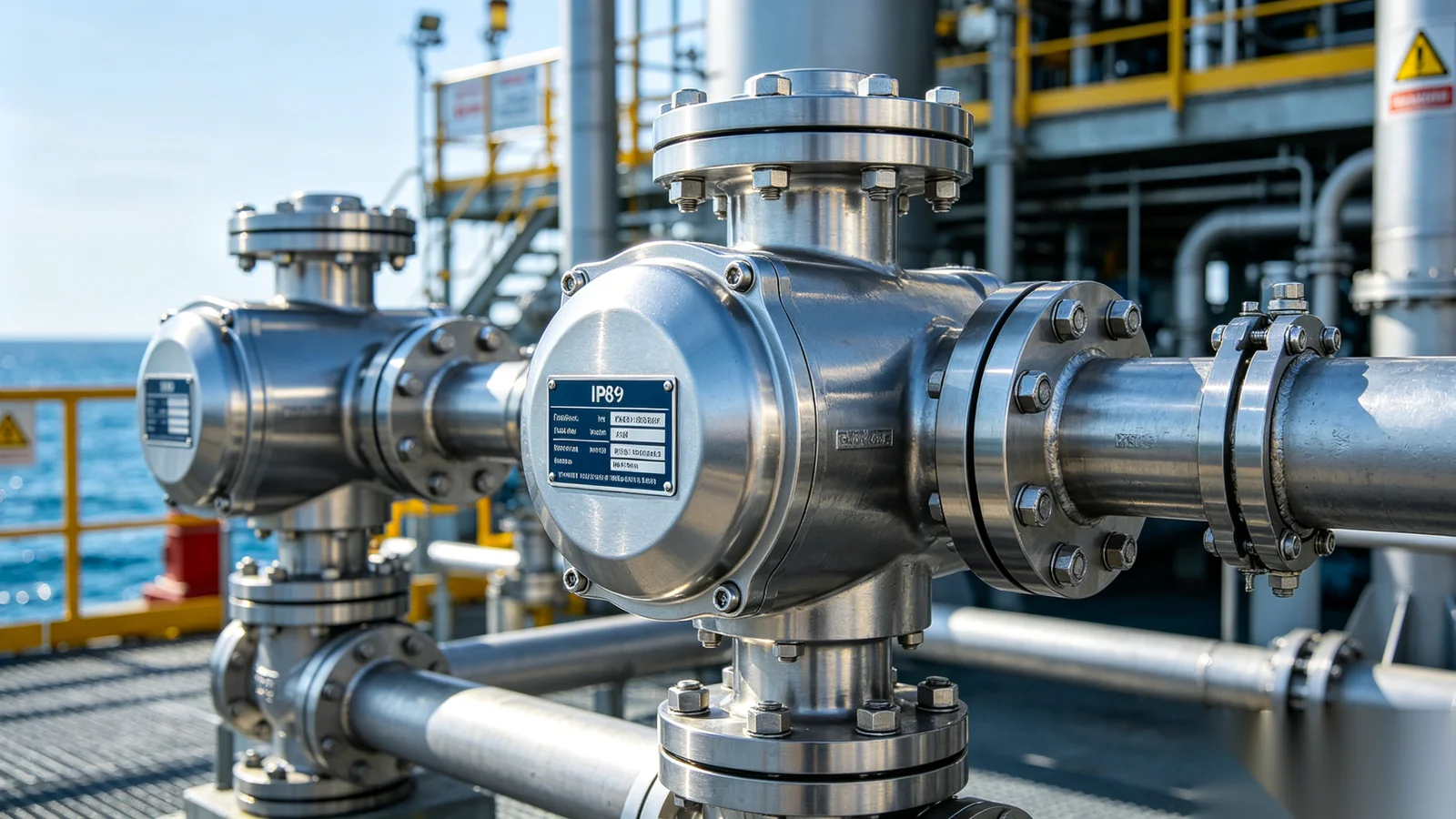
Corrosion-resistant sealed gear operator for offshore oil and gas valve installation
IP67 / IP68Harsh environment protection

Safety & Control

Automation and Emergency Operation Systems

Electric actuator compatibility, pneumatic automation, ESD integration, remote pipeline monitoring, and SCADA-ready interfaces for safety-critical oil and gas valve control.

Automation transforms oil and gas facilities from locally operated isolation to coordinated production and pipeline control. Electric actuators mount on gear operators or integrated topworks; pneumatic drives serve fail-close or fail-open strategies; supervisory systems poll position, torque, and diagnostic data. Successful integration requires mechanical compatibility — stem height, flange pattern, and torque margin — plus electrical and protocol interfaces understood by controls and instrumentation engineers. Emergency shutdown systems demand predictable stroke time and override discipline; gear operators are the mechanical foundation that must operate smoothly under actuator drive, permit manual intervention, and maintain position when power and air are removed. The blocks below outline automation capabilities referenced in pipeline SCADA specifications, refinery DCS hookups, and offshore ICSS checklists.

Emergency Shutdown Systems

Mechanical packages coordinated with ESD valves and actuators — torque margin and override access verified for safety system testing and proof-test intervals.

Electric Actuator Compatibility

Mounting and drive interfaces for multi-turn and quarter-turn actuators — stem alignment, bushing fit, and torque rating confirmed before offshore or site installation.

Pneumatic Valve Automation

Topworks prepared for scotch-yoke and rack-and-pinion drives — manual override paths maintained for air failure and maintenance lockout procedures.

Remote Pipeline Monitoring

Supports remote open/close and status feedback via RTU and telecommunication links — reduces exposure for technicians on long-distance transmission corridors.

SCADA Integration

Control and feedback paths aligned with pipeline and plant SCADA conventions — coordination with integrators during FAT, SAT, and loop checks.

Safety-critical Valve Control

Gear operators sized for SIL-aware installations where mechanical reliability supports overall safety instrumented function performance.

Electric actuator and gear operator on oil and gas ESD valve with control system integration
ESD ReadyAutomation systems

Sector Solutions

Pipeline, Refinery and Offshore Valve Solutions

Oil and gas projects span transmission pipelines, refinery and petrochemical complexes, LNG liquefaction and regasification, and offshore production — each sector imposes different valve densities, pressure classes, and logistics on gear operator supply. Pipeline EPCs need block valves with consistent topworks across hundreds of kilometers; refinery contractors need operators tolerant of process temperature and turnaround schedules; offshore fabricators need compact, corrosion-protected packages with documentation aligned to module commissioning. LNG facilities add cryogenic-adjacent considerations on adjacent utility and isolation valves. Understanding sector context helps specifiers choose ratio families, materials, and automation interfaces that survive the actual duty rather than over- or under-engineering a station installation. The topics below describe how valve gear operators support pipeline integrity, refinery operations, and offshore production automation.

Pipeline Isolation and Flow Control Systems

Transmission and gathering pipelines rely on full-bore ball valves, pigging stations, compressor bypasses, and sectionalizing valves — each requiring gear operators sized for high differential torque and long idle periods between operations. Above-ground installations use pedestal or direct-mount operators with weather protection; buried service may employ extension stems and sealed enclosures. Block valve programs often standardize operator sizes across a project to simplify spares and training. Torque tables tied to valve tag numbers support construction inspection and hydrotest procedures. Coordination with pipeline SCADA and leak detection systems defines which valves receive remote actuation at commissioning versus manual-only assets on low-criticality branches.

Refinery and Petrochemical Valve Applications

Refineries and petrochemical plants concentrate valves in process units, tank farms, and utility systems with wide temperature and pressure ranges. Gate valves on isolation and drain service, ball valves on process and product lines, and butterfly valves on large cooling water or air headers each need appropriate quarter-turn or multi-turn operators. Turnaround maintenance demands operators that survive years between strokes yet operate when exercised — stuck-valve risk is a planning item, not a surprise. Fire-safe and post-fire operability requirements influence material and lubricant choices on critical lines. Gear operator submittals should align with unit P&IDs, line class tables, and actuator vendor interfaces so mechanical completion proceeds without field adaptation in congested pipe racks.

Offshore Platform Valve Automation

Offshore platforms and FPSO modules pack production manifolds, test separators, and export lines into weight- and space-constrained layouts. Valve automation must resist salt spray, vibration, and limited crane access for maintenance. Gear operators are often pre-mounted on valves in fabrication yards before module lift — dimensional checks against actuator envelopes prevent rework at hook-up. ESD valves on wellheads and riser interfaces demand documented override procedures and torque margins verified before sail-away. Integration with platform ICSS, fire and gas systems, and remote operations centers requires consistent tagging and feedback paths. Offshore projects benefit from engineering support during module FAT and offshore commissioning when stroke, torque, and override are validated under realistic conditions.

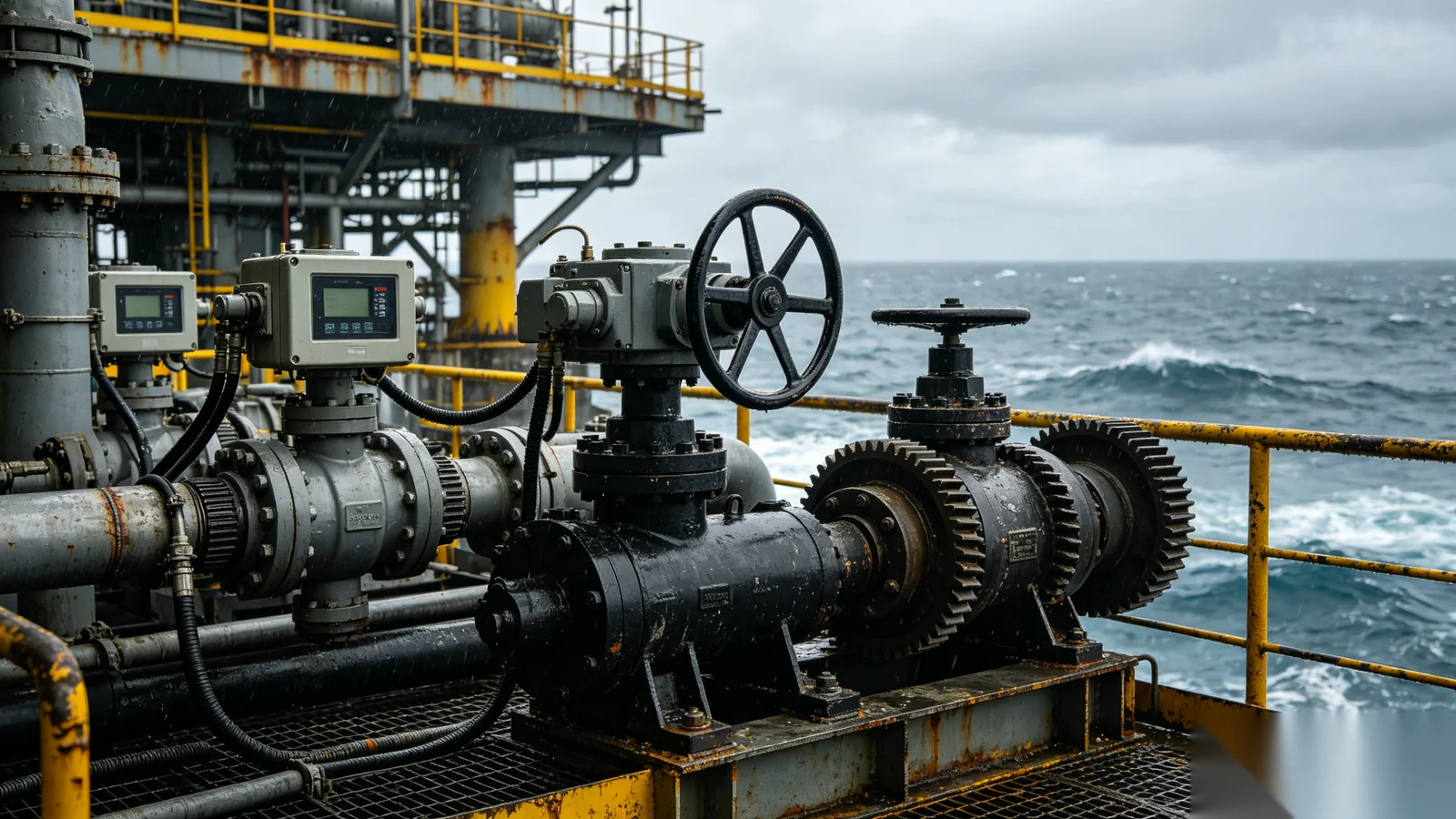
Offshore oil and gas platform valve automation with gear operators on production manifold
OffshorePipeline & refinery

Project Delivery

OEM and EPC Support for Oil and Gas Projects

Oil and gas projects flow through international owners, EPC contractors, and valve OEMs — each needing different documentation depth, schedule alignment, and manufacturing flexibility. EPC schedules demand tagged submittals, torque tables, and installation drawings aligned to P&ID valves across pipeline spreads and plant units; OEM programs need harmonized gear operators across ball, gate, and butterfly catalogs for global energy markets; export projects add Incoterms, customs classification, and material certificate packages. CAD and 3D model support accelerates clash detection in offshore modules and refinery pipe racks. Engineering documentation — interface drawings, coating specs, hazardous-area statements — reduces RFIs during construction when weld maps and module lifts are on the critical path. The following topics describe how project partners engage on pipeline, refinery, and offshore oil and gas work.

Support for EPC Contractors and Pipeline Projects

EPC and pipeline contractors require submittals owners and lenders can review against specifications — torque data, mounting dimensions, coating systems, IP ratings, and material certificates stated clearly per valve tag. Batch delivery aligned to spread construction, module fabrication, or unit mechanical completion reduces yard congestion and preserves coating integrity. Factory acceptance tests and inspection records support project QA and mechanical completion dossiers. Engineering coordinates with EPC mechanical and piping leads on valve lists, clarifies actuator interface questions before fabrication, and aligns marking with asset management systems. Whether the scope is a cross-border gas pipeline or a refinery upgrade, project support emphasizes predictable documentation and schedule-aware production — the baseline international energy procurement expects on valve automation.

OEM Valve Automation Solutions

Valve OEMs integrate gear operators at factory or regional assembly centers — requiring consistent ISO 5211 patterns, ratio families, and labeling across pressure classes and end connections. OEM programs include custom handwheel orientation, sour-service and offshore coating packages, and harmonized actuator mounting pads so integrators see one interface standard across a catalog. Private-label documentation and export packaging reinforce OEM brand presence in Middle East, Americas, and Asia-Pacific markets. Torque steps and housing sizes can be rationalized to reduce SKU complexity while covering pipeline and process torque ranges. Collaboration includes prototype fit-up on customer valves, drawing approval, and locked releases for serial production — treating gear operators as part of the valve BOM, not an aftermarket accessory.

Engineering Documentation and Export Support

Deliverables include 2D installation drawings, 3D models for layout and clash checks, torque and rim-pull tables, and maintenance instructions formatted for owner O&M manuals. Technical support responds to bid clarifications, reviews actuator compatibility, and assists commissioning with stroke verification and override drills. Export projects receive collated mill test reports, coating records, and packing lists aligned to site receiving and customs. When specifications conflict — for example offshore IP class versus actuator envelope in a congested module — engineering documents the resolution before manufacture. Documentation-first delivery reduces delay on oil and gas jobs where rework in the field is costly and safety oversight is intense.

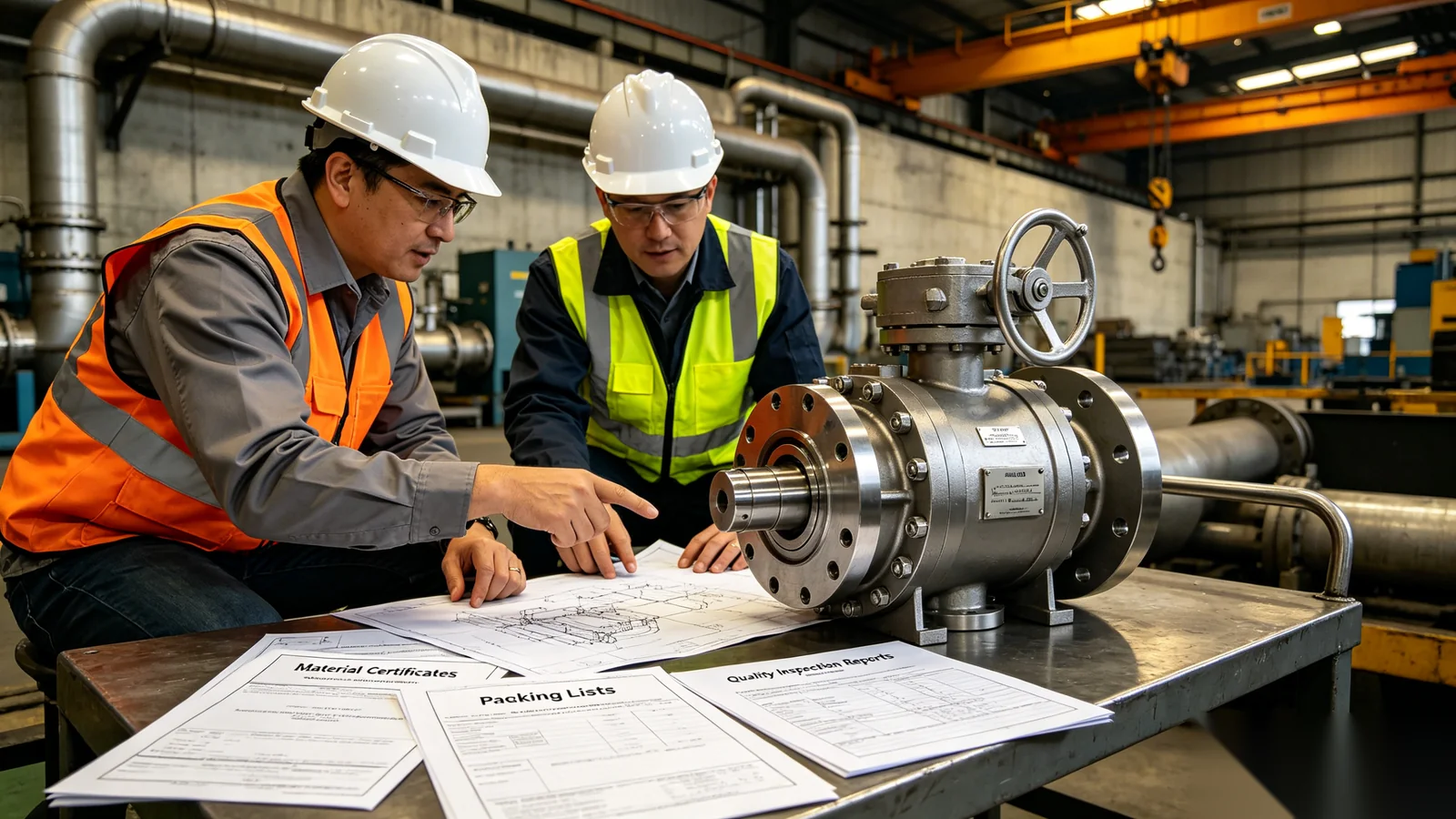
Engineering team reviewing oil and gas EPC valve automation submittals and pipeline project drawings
EPC / OEMProject support

Production Quality

Manufacturing and Quality Assurance for Oil and Gas Applications

Precision machining, torque verification, pressure and corrosion testing, and export quality control — manufacturing discipline aligned to safety-critical energy infrastructure.

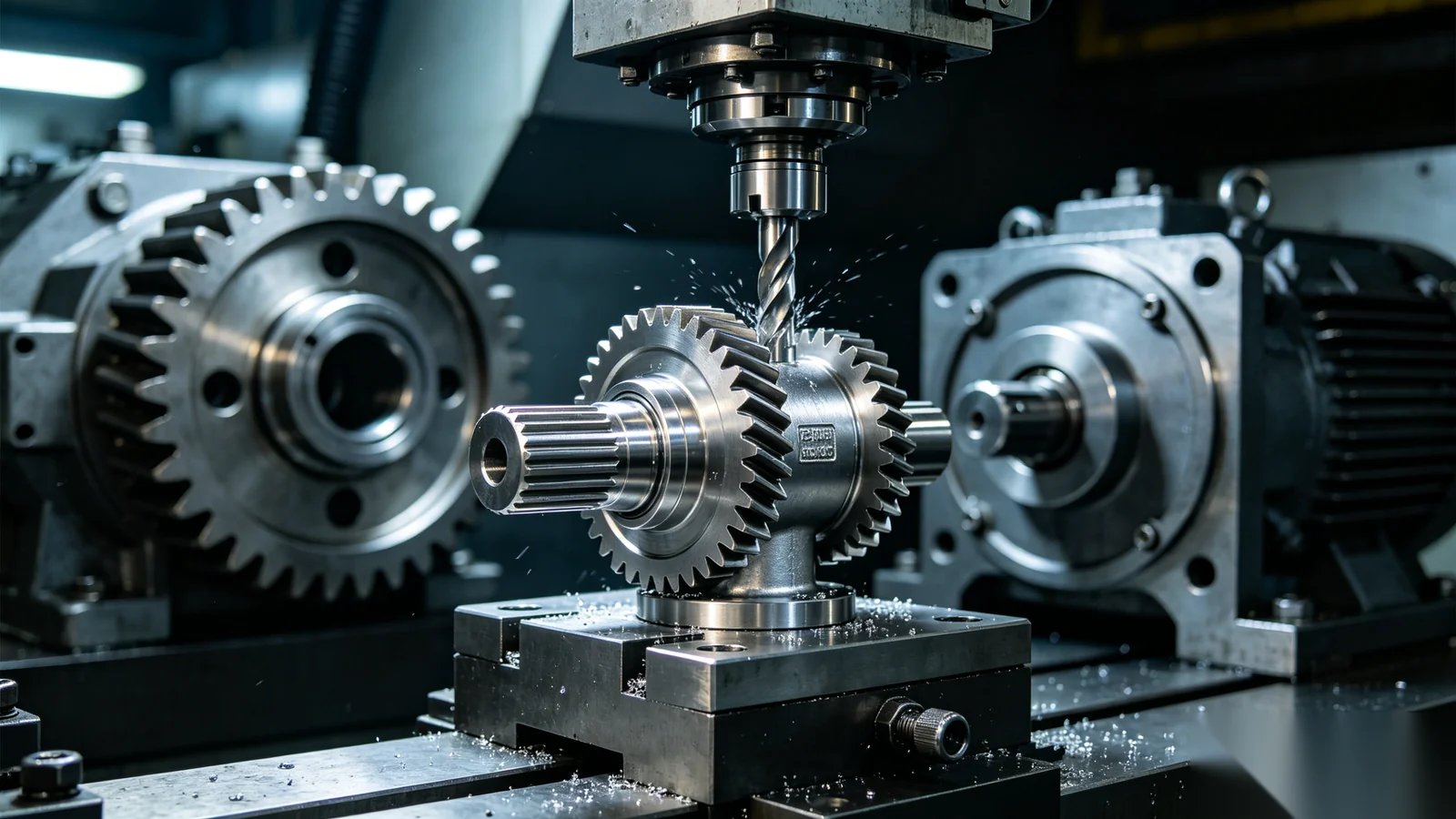
Oil and gas gear operators must be manufactured with the same rigor as the valves they drive: controlled machining, verified torque, inspected coatings, and traceable release. CNC machining produces housings, covers, and worms to drawing tolerances; assembly stations confirm rotation, backlash, and handwheel effort; coating lines apply environmental protection with thickness checks; export packing protects finishes in transit to global pipeline and offshore sites. Torque bench testing and coating validation support specifications claimed for high-pressure and offshore service. Quality assurance integrates with ISO 9001 procedures — incoming material checks, in-process dimensions, and final tests — so EPC inspectors and OEM auditors find consistent evidence. The manufacturing grid summarizes process capabilities most cited when qualifying suppliers for international oil and gas projects.

Precision CNC Machining

Housings, covers, and worms machined to released drawings — ISO 5211 interfaces and bearing bores held for stiff, aligned assembly under high stem loads.

Torque Verification

Bench testing confirms output torque and handwheel effort — results traceable to batch or tag when pipeline and offshore ITPs require.

Heavy Duty Gear Testing

Rotation, backlash, and load checks on high-torque units — reduces risk of field failure on critical pipeline and ESD valves.

Corrosion Resistance Inspection

Coating thickness, adhesion, and salt-spray validation support offshore and desert exposure claims on project submittals.

Assembly Quality Control

Final inspection before release — sealing, labeling, and interface dimensions verified against approved drawings.

Export Compliance Systems

Marking, documentation, and protective packing for international pipeline, refinery, and offshore shipments.

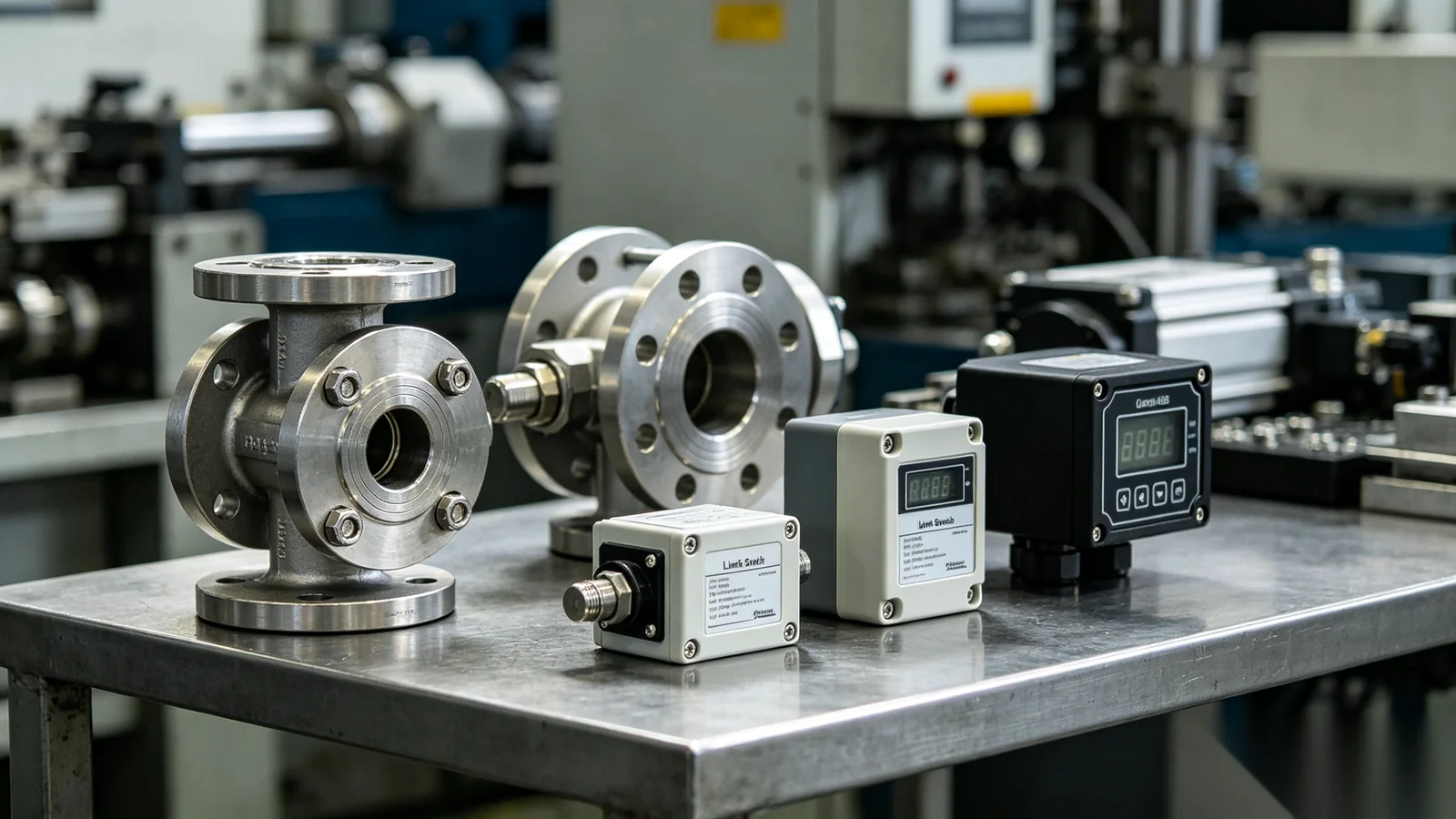
Manufacturing and torque testing of worm gear operators for oil and gas industry
ISO 9001Quality assurance

Client Value

Why Oil and Gas Clients Choose Our Valve Gear Operator Solutions

Owners, EPC contractors, and valve OEMs select gear operator partners based on high-pressure application understanding, harsh-environment durability, manufacturing evidence, and responsive engineering — not on generic industrial catalog language. Oil and gas imposes a distinct risk profile: hydrocarbon release, safety instrumented systems, and assets that remain in service for decades under demanding climates. Clients value suppliers who speak the language of pipeline class, refinery process duty, and offshore module constraints; who document coating, IP, and torque choices clearly; and who support ESD and SCADA integration without forcing premature topwork changes. Global export experience matters when projects span regions with different standards, logistics, and inspection regimes. The points below summarize why energy sector stakeholders align valve gear operator procurement with our engineering and manufacturing approach.

Heavy duty gearbox engineering expertise

Application focus on pipeline, refinery, and offshore valve duty — high torque worm gear design for energy infrastructure.

High pressure application capability

Torque-rated operators for class-rated ball and gate valves on transmission and process systems.

Offshore corrosion protection systems

Coatings and sealing specified for salt spray, UV, and harsh marine module environments.

OEM/EPC project experience

Tagged submittals, CAD releases, and schedule-aware production for international oil and gas projects.

Industrial automation support

ESD-ready topworks compatible with electric actuators, pneumatic drives, and SCADA integration.

Precision manufacturing systems

CNC machining, torque verification, and assembly inspection under ISO quality procedures.

Global export capability

Documentation and packing aligned to cross-border pipeline and offshore module logistics.

Technical engineering consultation

Bid, submittal, and commissioning support for gear operator and actuator coordination.

Common Questions

Frequently Asked Questions

What valve types are commonly used in oil and gas systems?+

Oil and gas systems typically use ball valves for pipeline block, bleed, and many process isolation duties; gate valves for tight shutoff on manifolds, drains, and high-pressure isolation; and butterfly valves on large-bore utility and cooling headers where quarter-turn operation is advantageous. Check valves protect compressors and pumps; control valves regulate flow where automated loops are required. Gear operators match valve motion: quarter-turn worm gearboxes for ball and butterfly valves, multi-turn units for gate valves. Selection should consider pressure class, media, operating torque with safety factors, sour-service exposure, and whether electric or pneumatic actuation and ESD logic are required at initial build or a later upgrade phase.

Do you provide heavy duty gear operators for high pressure applications?+

Yes. Gear operators for oil and gas are engineered for high break and running torque on class-rated ball and gate valves used in transmission pipelines, gathering systems, and refinery process units. Ratio selection, housing strength, and worm materials are matched to documented valve torque with appropriate safety margins. Bench torque verification can be supplied when project inspection and test plans require traceable results per tag or batch. High pressure duty also influences stem load, bearing layout, and handwheel sizing — engineering review against valve manufacturer torque curves is recommended during bid and submittal to avoid undersized operators on critical isolation points.

Are corrosion-resistant and offshore protection options available?+

Corrosion-resistant coating systems, stainless hardware, and IP67/IP68 enclosure options are available for offshore platforms, coastal pipeline stations, desert gathering sites, and other harsh exposures. Specifications can be aligned to offshore salt spray, high UV, or industrial chemical atmospheres in refineries and petrochemical plants. Coating thickness records and salt-spray validation support owner and EPC submittals. Offshore and desert strategies may include upgraded film build, sealed bearing entries, and installation guidance for stem extensions and sun exposure. Protection is treated as core engineering for energy infrastructure life cycles, not a cosmetic finish.

Can your systems be integrated with electric or pneumatic actuators?+

Gear operators are manufactured automation-ready with ISO 5211 mounting, drive interfaces, and torque margins compatible with common electric multi-turn and quarter-turn actuators, as well as pneumatic scotch-yoke and rack-and-pinion packages. Integration with SCADA and plant control occurs through the actuator and instrumentation architecture — position feedback, open/close commands, and diagnostics — while the gearbox provides reliable mechanical transmission and manual override. Engineering support can review actuator models, stem dimensions, fail mode, and control signals during bid and submittal to prevent interface conflicts on ESD and process valves before offshore or site installation.

Do you support EPC and international oil and gas projects?+

EPC and international project support includes tagged submittals, torque tables, installation and 3D CAD data, coating and IP documentation, batch production aligned to pipeline spread or module fabrication schedules, and export packing with material certificates. Valve OEMs receive harmonized mounting patterns and private-label options; EPC teams receive engineering responses for specification clarifications and FAT requirements. Technical support continues through pre-commissioning and commissioning for stroke checks and override procedures. Whether the scope is a cross-border gas pipeline, refinery expansion, or offshore module, delivery emphasizes documentation transparency and manufacturing traceability expected on safety-critical oil and gas infrastructure.

Need Reliable Valve Gear Operators for Oil and Gas Projects?

Share your valve lists, pressure class, environment exposure, and automation goals — our engineering team aligns heavy duty worm gear operator solutions with pipeline, refinery, and offshore scopes. OEM cooperation, ESD-ready valve automation, and EPC project support are available for global energy infrastructure. Request a consultation to review torque requirements, corrosion and offshore protection, actuator interfaces, and manufacturing schedules before your next oil and gas bid or brownfield upgrade.