ISO 9001 API 6D CE / PED EN

Support Hub · Engineering Resources

Valve Gear Operator Technical Support Center

Welcome to the central resource hub for valve gear operator technical support. Whether you are sizing a worm gearbox for a new isolation valve, commissioning field installation, diagnosing operating faults, planning preventive maintenance, or integrating electric actuators into an automation scheme — our engineering team provides structured guidance at every stage. This hub serves engineers, EPC contractors, OEM valve manufacturers, industrial distributors, and plant maintenance personnel with documented answers, selection tools, and direct access to application specialists who understand torque, ISO 5211 interfaces, and long-term industrial service requirements.

Gearbox Selection Installation & Troubleshooting Automation Integration

Full Lifecycle Support

Comprehensive Technical Support Services

Industrial valve gear operators demand engineering support that extends well beyond the point of sale. Our technical support organization covers the complete project lifecycle — from initial product selection and engineering consultation through installation commissioning, routine operation, preventive maintenance, structured troubleshooting, and aftermarket assistance when assets age or operating conditions change. Application engineers review valve datasheets, P&ID excerpts, and site photographs to validate torque margins, flange compatibility, and environmental protection before equipment ships. Field teams receive mounting procedures, commissioning checklists, and lubrication schedules aligned to the same standards applied in our factory test lab. When performance degrades, structured fault trees guide safe diagnosis without guesswork. OEM and EPC partners receive CAD models, submittal packages, and witness-test documentation suitable for project QA records. This hub connects every support channel so you can move from sizing to service with a single engineering partner.

Valve types and product families supported:

Worm Gear Operators Bevel Gear Operators Quarter-turn Systems Multi-turn Systems Butterfly Valve Applications Ball Valve Applications Gate Valve Applications Plug Valve Applications Industrial Automation Systems OEM Projects EPC Projects

Expert Guidance

Engineering Consultation

Selecting the correct gear operator is one of the most consequential decisions in valve automation design — it directly affects system performance, operator safety, and long-term maintenance cost. An undersized gearbox leads to excessive handwheel effort, premature wear, and potential stem damage; an oversized unit adds unnecessary weight, cost, and mounting complexity. Our application engineers work from your valve torque data, stem dimensions, flange pattern, and duty environment to recommend a configuration that meets project standards with appropriate safety margins. Consultation is available before purchase for tender support and after delivery for retrofit or upgrade scenarios.

Torque Calculation

We calculate required break-to-open and running torque from valve datasheets, applying project-specific safety factors for static head, media friction, and temperature effects — delivering a documented sizing summary for EPC submittals.
Gear Ratio Recommendations

Ratio selection balances handwheel effort against operating speed and self-locking requirements. We recommend worm and bevel ratios matched to valve travel time, operator ergonomics, and actuator interface constraints.

Valve Compatibility Verification

Engineers cross-check stem diameter, keyway dimensions, flange pattern, and clearance envelope against catalog interfaces — identifying adapter requirements before equipment reaches site.

ISO5211 Mounting Review

F-series flange selection, bolt circle dimensions, stem nut engagement depth, and dowel pin requirements are verified against ISO 5211 tables to prevent misalignment and mounting failures in the field.

Environmental Protection Selection (IP67/IP68)

Outdoor, underground, offshore, and submersible installations require defined ingress protection. We map duty class to housing seals, coatings, and breather arrangements for reliable long-term sealing.

Automation Compatibility

Electric, pneumatic, and hydraulic actuator interfaces are reviewed for mounting compatibility, torque matching, declutchable override options, and position indication requirements before automation procurement.

Custom Engineering Solutions

Non-standard stem interfaces, special torque outputs, private-label configurations, and project-specific mounting designs are engineered under NDA with drawing approval workflows suitable for OEM programs.

Professional engineering consultation reduces installation risks, prevents costly field modifications, and ensures your gear operator performs reliably from first operation through decades of industrial service.

Sizing & Specification

Product Selection Assistance

Correct product selection begins with three engineering fundamentals: output torque relative to valve requirements, mechanical compatibility with the valve type and stem interface, and environmental suitability for the installation location. Our selection assistance translates these criteria into catalog model recommendations, adapter requirements, and protection upgrades — with written confirmation suitable for procurement records and EPC technical submittals.

Torque Requirements

Output torque must match valve operating requirements with appropriate safety margins on break and run conditions. We apply stem factors, media friction allowances, and project safety factors — commonly 1.25 to 1.5 on break torque — to ensure the gear operator handles worst-case operating loads without overstressing worm sets or handwheel operators.

Valve Type Compatibility

Supported valve types include butterfly, ball, plug, gate, globe, and knife gate valves across quarter-turn and multi-turn duty classes. Each valve family imposes distinct stem loads, travel patterns, and mounting interfaces that influence gearbox selection and adapter design.

Environmental Conditions

Selection accounts for outdoor exposure, underground chambers, offshore salt spray, water treatment chlorination, chemical processing corrosion, and abrasive mining slurry. Housing materials, coatings, IP ratings, and lubricant specifications are matched to each duty environment.

Field Installation

Installation Support

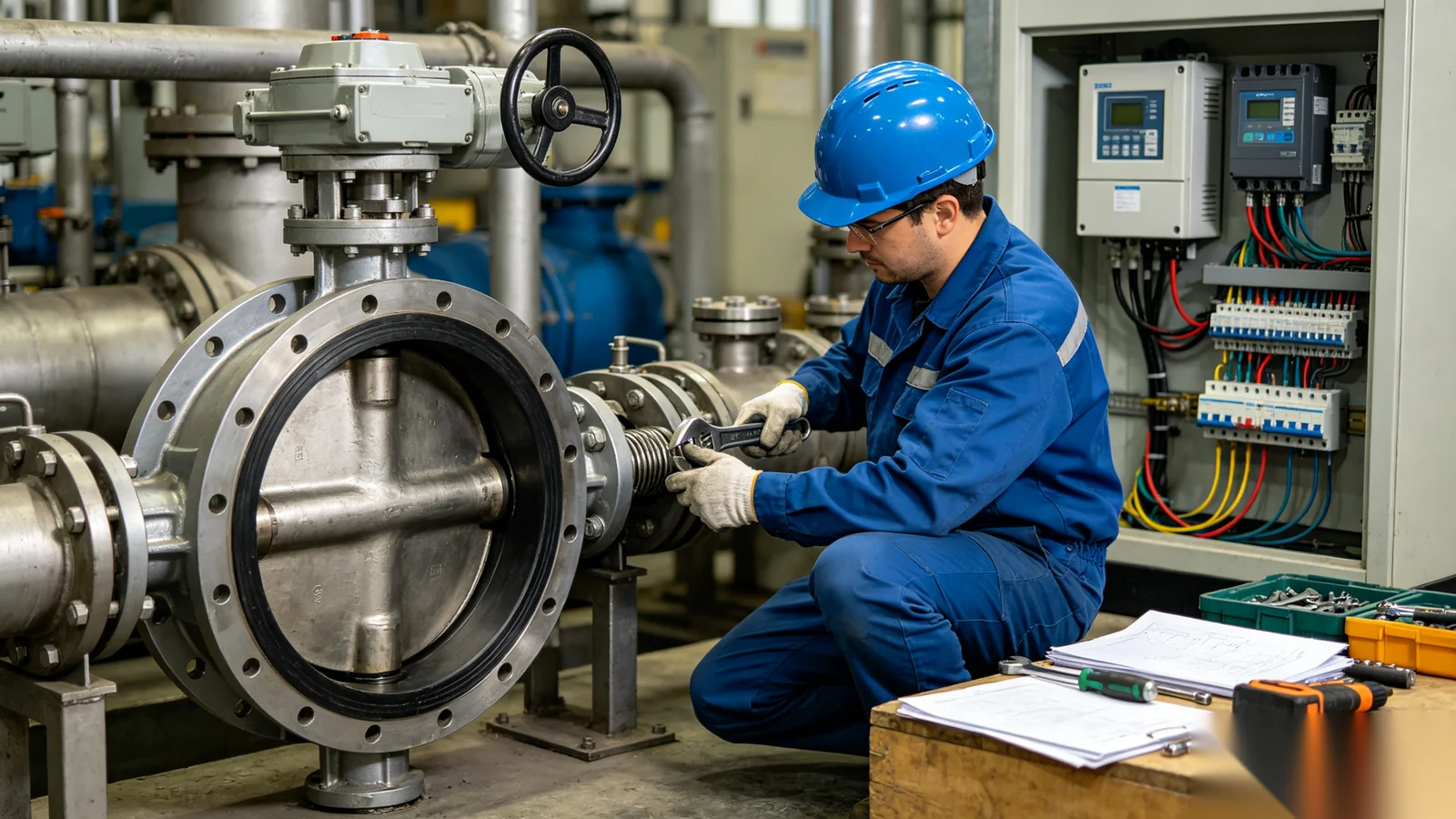
Correct installation is the foundation of reliable valve gear operator performance. Misaligned ISO 5211 flanges, insufficient stem engagement, incorrect bolt torque sequences, and inadequate clearance for maintenance access are among the most common causes of premature field failures — all preventable with proper engineering guidance. Our installation support team provides step-by-step mounting procedures, pre-commissioning verification checklists, and actuator integration guidance so your field technicians complete work safely and to specification. Whether you are mounting a single isolation valve or commissioning hundreds of units on an EPC project, documented installation support reduces rework and accelerates mechanical completion.

Mounting Procedures

ISO 5211 flange alignment, shaft connection verification, fastener grade and torque recommendations, and mounting hardware selection — including adapter plates, dowel pins, and stem coupling engagement depth for rigid, concentric assembly.

Commissioning Support

Initial operation checks, break and run torque verification, travel stop adjustment, and functional testing protocols to confirm the gear operator meets rated performance before handover to operations or actuator energization.

Actuator Integration

Mounting compatibility for electric actuators, pneumatic actuators, hydraulic actuators, and intelligent actuator systems — including declutchable override engagement, position indication, and control interface commissioning.

Engineer installing a gear operator on an industrial valve
ISO 5211 Mounting & commissioning

Lifecycle Care

Operation and Maintenance Guidance

Valve gear operators in continuous industrial service require disciplined operation and preventive maintenance — not reactive repair after failure. Our maintenance guidance framework supports plant operators and maintenance teams with inspection schedules, lubrication specifications, wear monitoring criteria, and spare parts identification so assets sustain rated torque and sealing integrity over decades of duty.

Routine Inspection

Scheduled inspections cover fastener condition and torque, lubrication status and grease appearance, housing integrity and coating condition, corrosion at mounting interfaces, seal condition and breather function, and valve operating performance including handwheel effort and travel completeness.

Preventive Maintenance

Structured preventive maintenance extends service life, reduces unexpected failures during critical process operations, improves operational reliability across shift changes and seasonal demand, and lowers total lifecycle costs compared to run-to-failure strategies.

Spare Parts Support

Replacement components are available by serial number traceability — including worm gear assemblies, output bearings, sealing systems, position indicators, mounting hardware kits, and complete maintenance kits for field overhaul.

Fault Diagnosis

Troubleshooting Support

When valve gear operator performance degrades, structured troubleshooting prevents unsafe corrective actions and unnecessary component replacement. Our fault guides map observable symptoms to likely root causes — validated against field experience and factory test data — so maintenance teams resolve issues efficiently and document findings for reliability programs.

Excessive Operating Torque

Increased handwheel effort often indicates valve seizure, debris accumulation in the flow path, incorrect gearbox sizing for actual operating conditions, or improper lubrication leading to worm set friction — each requiring distinct corrective steps.

Gearbox Vibration

Abnormal vibration may result from stem misalignment, loose mounting bolts after thermal cycling, excessive loads beyond rated torque, or mechanical wear in worm and wheel contact surfaces requiring inspection and potential overhaul.

Water Ingress

Moisture inside the housing typically traces to damaged shaft seals, improper installation orientation, compromised O-rings after maintenance, or extreme environmental exposure beyond the specified IP protection class.

Limited Valve Travel

Incomplete open or close travel may indicate incorrect internal stop adjustment, valve disc obstruction, mechanical interference with adjacent piping or structures, or stem binding from misaligned mounting.

Control Integration

Automation and Control Support

Modern industrial facilities increasingly require valve gear operators that integrate seamlessly with electric actuators, distributed control systems, and remote monitoring platforms. Our automation support team assists with mounting compatibility, torque matching, interface design, and commissioning procedures so manual operators, motorized actuators, and SCADA feedback function as a unified control asset.

Electric Actuator Integration

Mounting compatibility review, output torque matching against actuator rated torque, mechanical interface design for declutchable overrides, and commissioning support for clutch engagement, limit switches, and torque seating verification.

SCADA and Remote Monitoring

Position indication integration, monitoring signal wiring guidance, remote operation support for isolated facilities, and control system compatibility review for PLC, DCS, and RTU architectures.

Industrial Automation Systems

Application-specific support for water treatment plants, oil and gas facilities, power generation stations, mining operations, chemical processing plants, and hydropower projects — each with distinct duty cycles, environmental exposure, and reliability expectations.

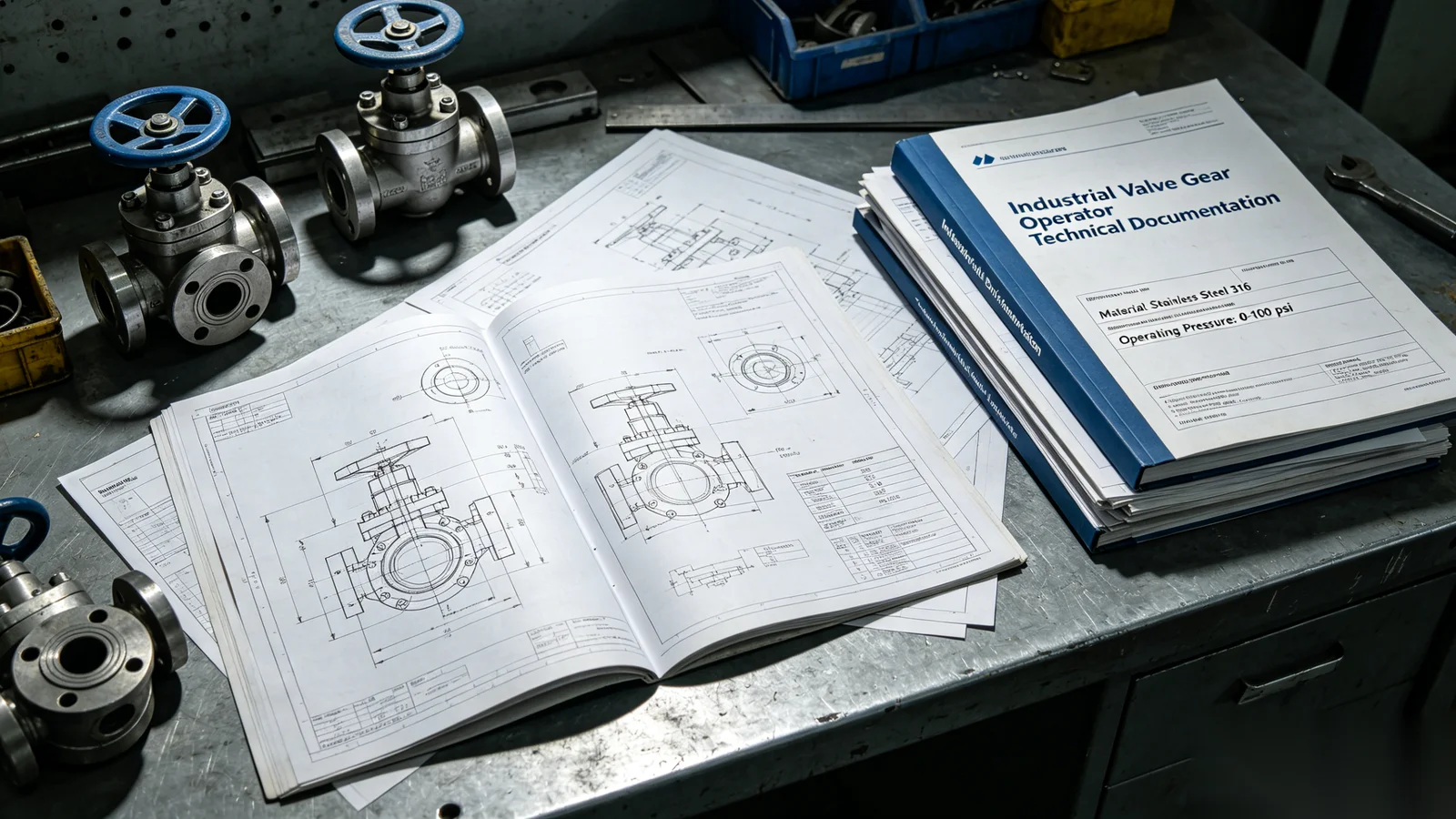
Engineering team reviewing CAD drawings for valve gear operator project
OEM / EPC Project engineering support

Project Partnership

OEM and EPC Project Support

Large-scale industrial projects require predictable engineering deliverables, fast document turnaround, and traceable quality records. We work closely with EPC contractors, engineering firms, valve manufacturers, automation integrators, and industrial distributors to supply gear operators with complete technical packages aligned to project QA plans. From first-article approval through series production, assigned program engineers manage drawing revisions, witness testing, and export documentation so your supply chain remains on schedule across international delivery requirements.

CAD Drawing Support

2D installation drawings, 3D models in STEP and native formats, general arrangement layouts, and mounting interface details for engineering review, clash detection, and vendor submittal packages.

Technical Documentation

Product datasheets, installation manuals, operation manuals, maintenance schedules, torque test certificates, and material inspection reports formatted for EPC document control systems.

Custom Engineering

Custom torque outputs, non-standard gear ratios, special mounting designs, adapter kits, and private label projects engineered under NDA with revision-controlled drawing approval workflows.

Common Questions

Frequently Asked Questions

How do I determine the correct gearbox torque?+

Start with the valve manufacturer's break-to-open and running torque values at your operating differential pressure and temperature. Apply a project safety factor — typically 1.25 to 1.5 on break torque for industrial applications — and adjust for stem factor, keyway engagement, and any known media friction characteristics. Compare the calculated requirement against the gear operator's rated output torque at the mounting orientation and duty class. Our torque selection guide provides worked examples for common butterfly, ball, and gate valve sizes. For critical applications, submit your valve datasheet and operating conditions to our application engineers for a written sizing confirmation with catalog model recommendation and any adapter requirements documented for your project records.

Can you help with actuator selection?+

Yes. Our engineering team reviews electric, pneumatic, and hydraulic actuator requirements against gear operator mounting interfaces, output torque, and declutchable override options. We verify that the combined actuator and gearbox assembly meets valve torque requirements without overloading worm sets or exceeding stem side-thrust limits. Interface dimensions, bolt patterns, and position indication arrangements are checked for compatibility with major actuator brands. Commissioning guidance covers clutch engagement procedures, limit switch setup, and torque seating verification. Send your actuator specification, valve datasheet, and mounting orientation for a compatibility review before procurement to avoid costly field modifications.

Do you provide CAD drawings?+

CAD drawings are standard deliverables for engineering review and project submittals. We supply 2D installation drawings with dimensional data, bolt circle details, and clearance envelopes, plus 3D models in STEP, IGES, and native SolidWorks formats. Drawings are typically issued within 24 to 48 hours after model selection is confirmed. For EPC projects, we can bundle indexed document packages with your project numbering convention and revision control requirements. OEM partners receive drawing numbers assigned to their part numbering system with ECO management for series production changes. Request CAD access through our contact form or Download Center with the catalog model and flange configuration required.

Do you offer OEM engineering support?+

Yes. OEM valve manufacturers receive dedicated application engineering under NDA — including sizing validation, custom stem interfaces, private-label nameplates, first-article torque testing, and series production documentation. We assign a program engineer familiar with your valve family and support engineering change orders, drawing revisions, and witness inspection per your QA plan. Custom torque outputs, special gear ratios, and non-standard mounting designs are engineered with revision-controlled approval workflows. MOQ and lead time depend on model complexity and customization level. Contact our OEM desk with your annual volume forecast and valve portfolio for a structured onboarding proposal.

Can you provide technical support for international projects?+

We support export projects in more than 80 countries with full technical documentation, certificates of origin, material EN 10204 3.1 reports, torque test records, and third-party witness inspection coordination. Application engineers respond to inquiries across time zones with documented technical opinions suitable for EPC submittal records. Installation and troubleshooting guidance is provided in English with support for regional standards where applicable. Shipping marks, customs descriptions, and HS codes are coordinated with your freight forwarder. For large international EPC packages, we compile indexed submittal binders aligned to mechanical completion schedules — reducing delays at site receipt inspection and accelerating commissioning timelines.

Need Technical Assistance?

Our engineering team is ready to assist with product selection support, installation guidance, structured troubleshooting, actuator integration planning, and OEM engineering consultation. Whether you are specifying a single gear operator for a plant upgrade or qualifying a global supply agreement for an EPC project, we provide documented technical support aligned to industrial QA expectations. Submit your valve datasheet, operating conditions, and project requirements — and receive engineering-backed recommendations you can trust from first installation through decades of reliable service.