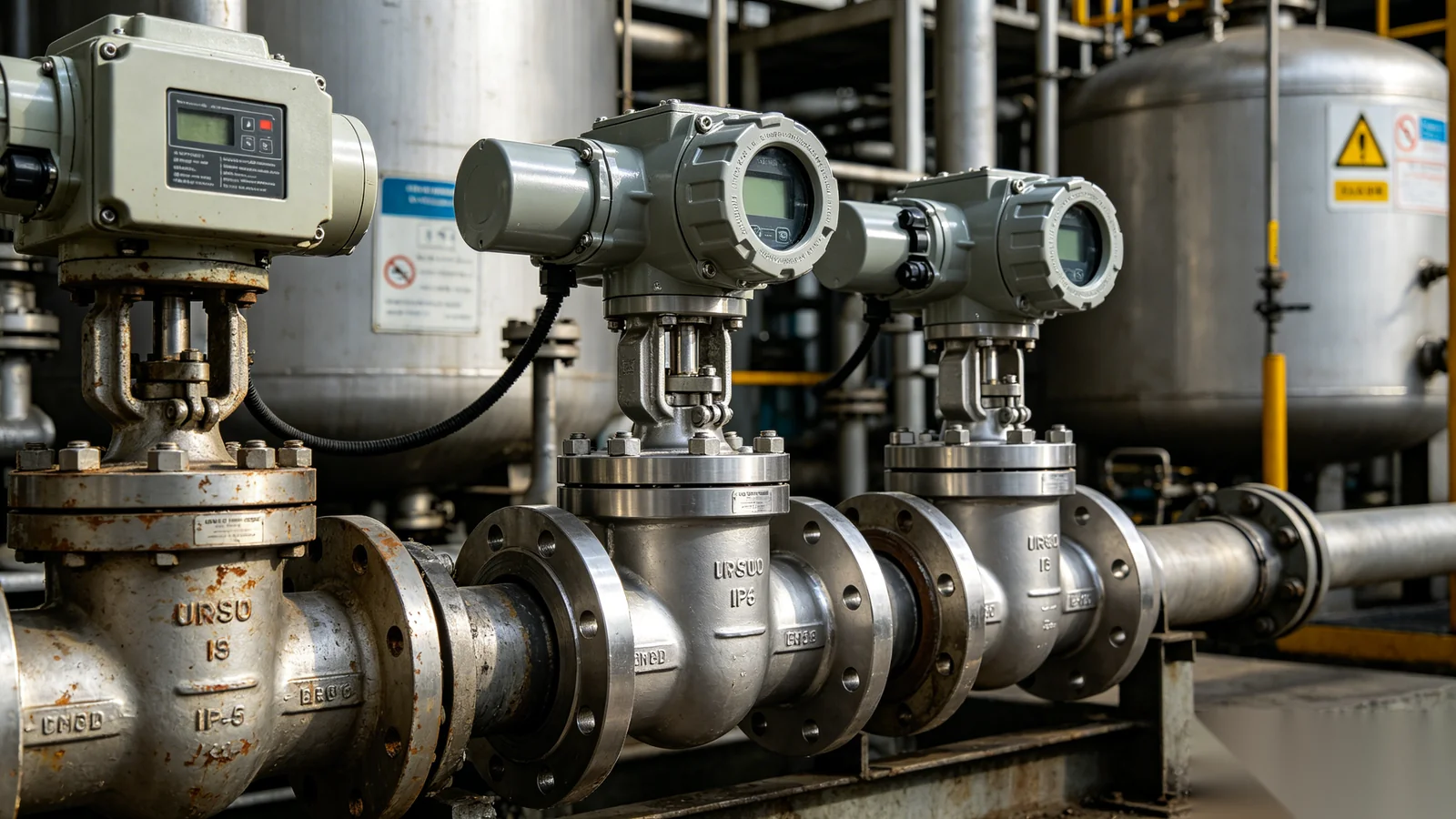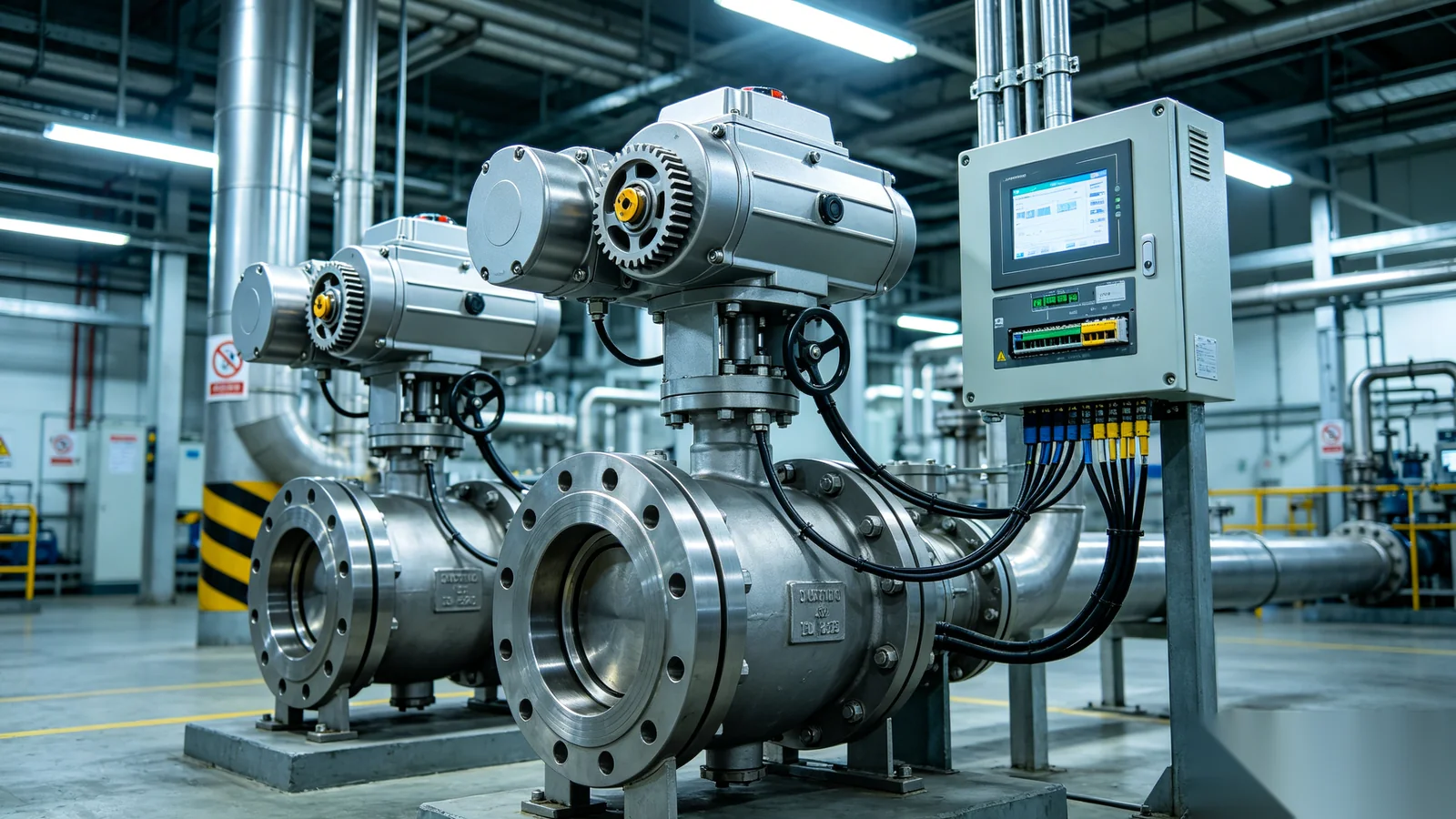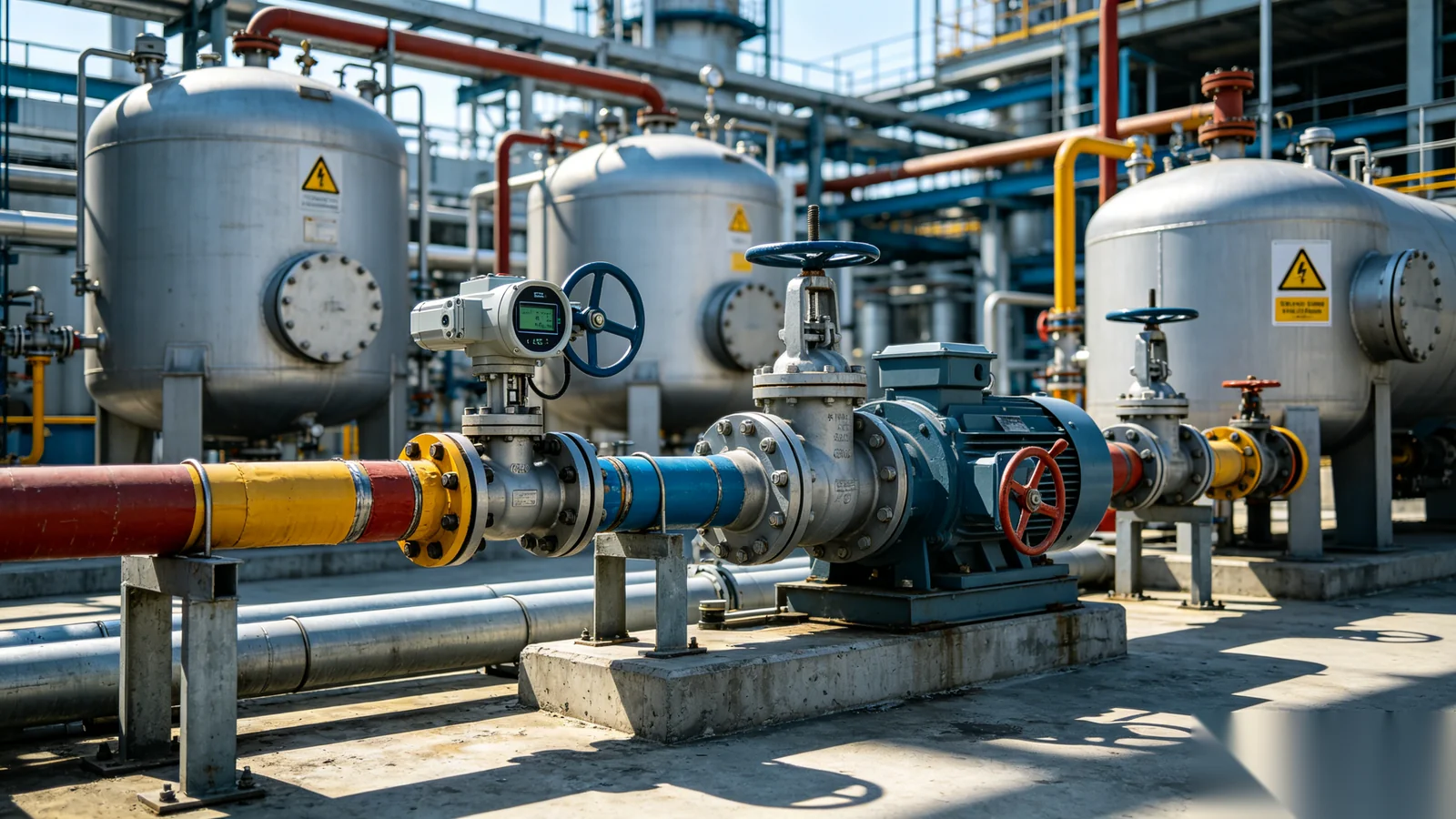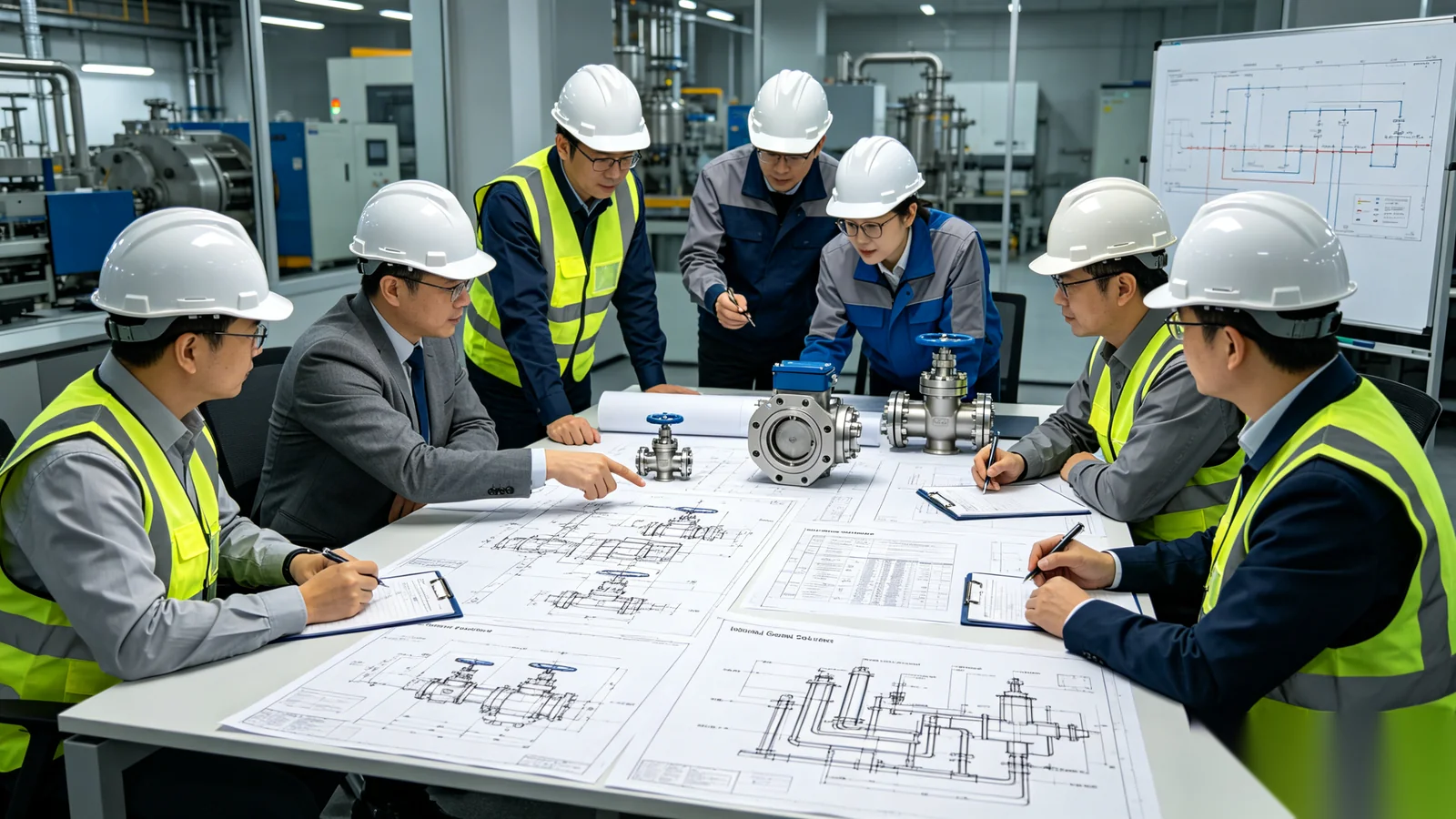
ISO 9001 API 6D CE / PED EN

Chemical Processing · Corrosion Resistance · Process Safety

Valve Gear Operator Solutions for Chemical Processing Applications

Chemical processing facilities require reliable valve automation systems capable of operating in corrosive, high-pressure, and demanding industrial environments. Valve gear operators play a critical role in ensuring safe flow control, process isolation, and operational reliability across chemical plants, petrochemical facilities, specialty chemical production lines, and bulk storage systems. Our worm gear operators and bevel gear systems are designed to provide precise torque transmission, long-term durability, and dependable performance for chemical processing applications where product quality, personnel safety, and continuous production depend on consistent valve operation.

Corrosion Resistant IP67 / IP68 Sealing EPC & OEM Ready

Industry Context

Industrial Valve Automation for Chemical Processing Systems

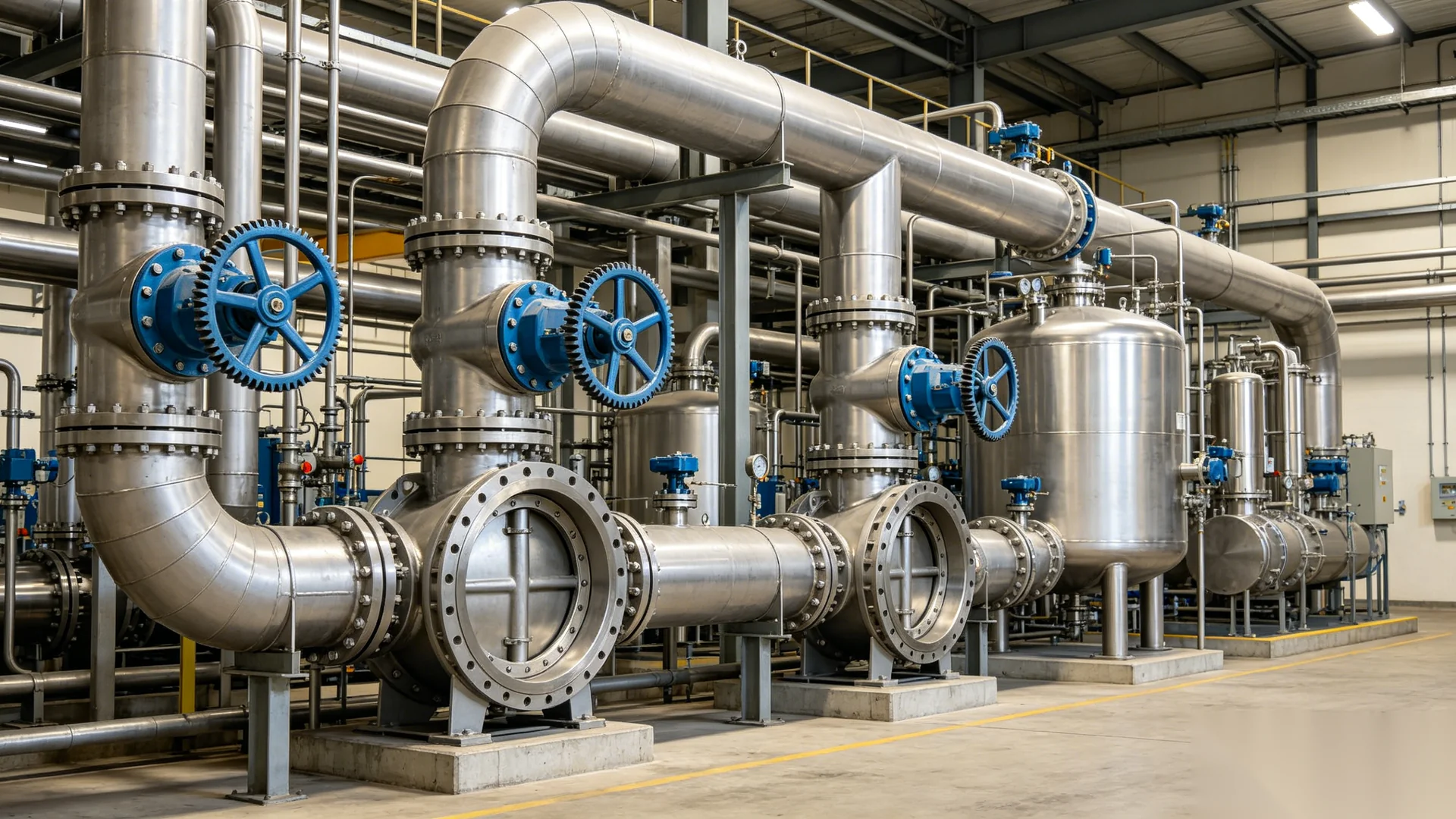
Chemical plants rely on a wide range of valves to regulate liquids, gases, solvents, acids, alkalis, and other process media. Reliable valve operation is essential to maintaining product quality, preventing leakage, protecting personnel, and ensuring continuous production. Valve gear operators provide controlled manual or automated operation of butterfly valves, ball valves, plug valves, gate valves, and other critical isolation equipment used throughout chemical facilities — from reactor feed lines and distillation columns to tank farm transfer headers and utility steam systems.

Engineering teams specify gear operators based on valve torque, media compatibility, environmental exposure, and integration with plant automation. Corrosive chemicals, aggressive cleaning agents, and pressure fluctuations demand robust sealing systems, corrosion-resistant materials, and dependable torque transmission. Process safety standards require positive shutoff, self-locking mechanisms where applicable, and emergency override capability during power loss or maintenance. Whether the facility produces bulk petrochemicals, specialty intermediates, or formulated products, valve gear operators sit at the intersection of mechanical reliability, environmental protection, and regulatory compliance. The topics below outline key challenges, the importance of reliable valve control, and process safety considerations for chemical processing environments.

Challenges in Chemical Processing Environments

Corrosive chemicals, aggressive cleaning agents, high temperatures, pressure fluctuations, outdoor weather conditions, and continuous production cycles create some of the most demanding valve operating environments in industry. Acid and alkali service attacks unprotected metals; solvent vapors and fugitive emissions require tight sealing; thermal cycling stresses housings and stem interfaces. Outdoor tank farms and loading racks expose operators to rain, UV, and dust while utility areas may see steam, condensate, and chemical splash. Gear operators must withstand these conditions with robust sealing systems, corrosion-resistant materials — including stainless steel components and protective coatings — and dependable torque transmission mechanisms that maintain performance through long operating cycles without frequent adjustment or replacement.
Importance of Reliable Valve Control

A failed valve operation can interrupt production, create safety risks, or cause costly downtime in chemical plants where batch schedules and continuous processes leave little margin for unplanned stops. Properly engineered gear operators help ensure smooth valve movement, accurate positioning, and reliable shutoff performance even under challenging operating conditions such as high differential pressure, cavitating media, or valves that remain static for extended periods before critical isolation is required. Self-locking worm geometry prevents unwanted movement from process pressure or vibration. Documented torque verification and correct ratio selection reduce stuck-valve incidents during turnaround and emergency response. Reliable valve control supports inventory management, transfer operations, and safe isolation of equipment under maintenance.

Process Safety and Environmental Protection

Chemical processing facilities must maintain strict safety and environmental standards to protect workers, communities, and surrounding ecosystems. Gear operators with positive sealing, self-locking mechanisms, and emergency override capability contribute to safe plant operations and regulatory compliance. Isolation valves on hazardous material lines must operate predictably during emergency shutdown sequences; manual override paths support lockout-tagout and de-energized maintenance. Environmental protection depends on dependable shutoff to prevent leaks of toxic, flammable, or reactive chemicals. Specifiers should align operator materials and sealing with process hazard analysis outcomes and environmental permit requirements. Engineering documentation — torque tables, coating specs, and IP ratings — supports mechanical completion packages and audit readiness throughout the facility lifecycle.

Facility Applications

Valve Applications in Chemical Processing Facilities

Valve automation systems regulate process flow and isolate critical equipment across chemical production plants — from large-diameter process pipelines to storage tank transfer and complex utility networks.

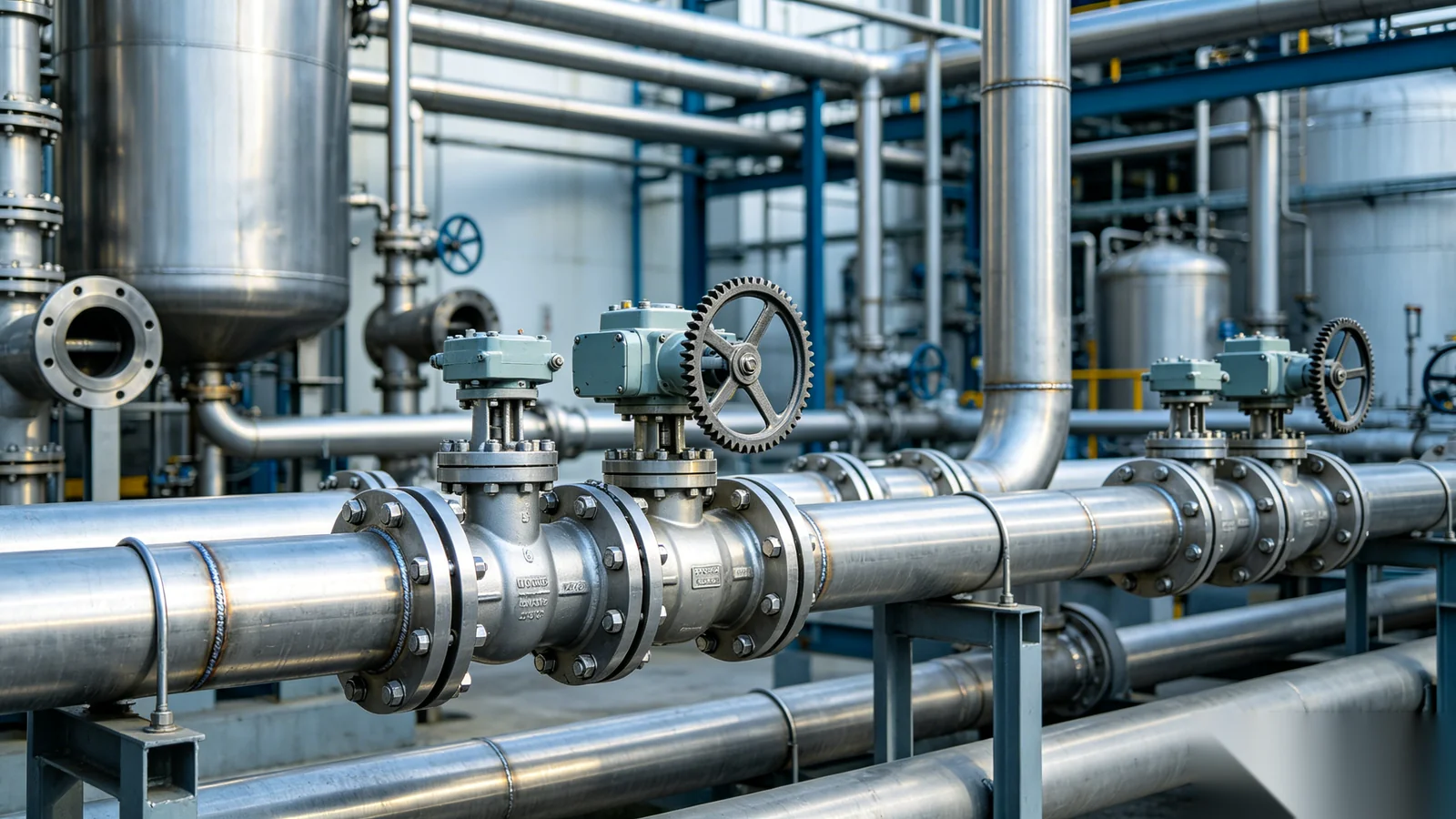
Valve automation systems are used throughout chemical production plants to regulate process flow and isolate critical equipment. Our gear operators integrate with butterfly valves for large-diameter process pipelines, ball valves for chemical transfer systems, plug valves for abrasive or corrosive media, gate valves for utility systems, storage tank isolation, and complex process pipeline networks. Application engineering considers media chemistry, operating torque with safety factors, access for maintenance in hazardous areas, and compatibility with electric or pneumatic actuators where automation is planned. The grid below summarizes six common chemical plant valve roles and how worm gear operators support dependable isolation and flow control across diverse process duties.

Butterfly Valve Systems

Large-diameter process pipelines, cooling systems, and utility networks — worm gear operators provide the torque multiplication necessary for smooth quarter-turn operation under differential pressure.

Ball Valve Applications

Reliable shutoff for chemical transfer systems, storage facilities, and process control applications — quarter-turn operators sized for break and running torque in corrosive service.

Plug Valve Installations

Selected for abrasive, corrosive, or contaminated media requiring dependable isolation — gear operators with materials and coatings matched to aggressive chemical environments.

Gate Valve Applications

Utility systems, process lines, and large-diameter piping where full-flow operation is necessary — multi-turn worm and bevel gear solutions for rising and non-rising stem patterns.

Storage Tank Isolation Systems

Automated and manual valve systems for inventory control, transfer operations, and safety shutdown procedures on bulk chemical storage and loading terminals.

Process Pipeline Networks

Complex piping systems require dependable valve operators capable of maintaining performance throughout long operating cycles across interconnected process units and transfer headers.

Butterfly and ball valves with gear operators in chemical processing plant
Process FlowChemical applications

Gearbox Engineering

Heavy Duty Gear Operator Solutions for Chemical Processing

High torque worm gear operators, quarter-turn and multi-turn drives, self-locking stages, and automation-ready configurations for continuous chemical plant duty.

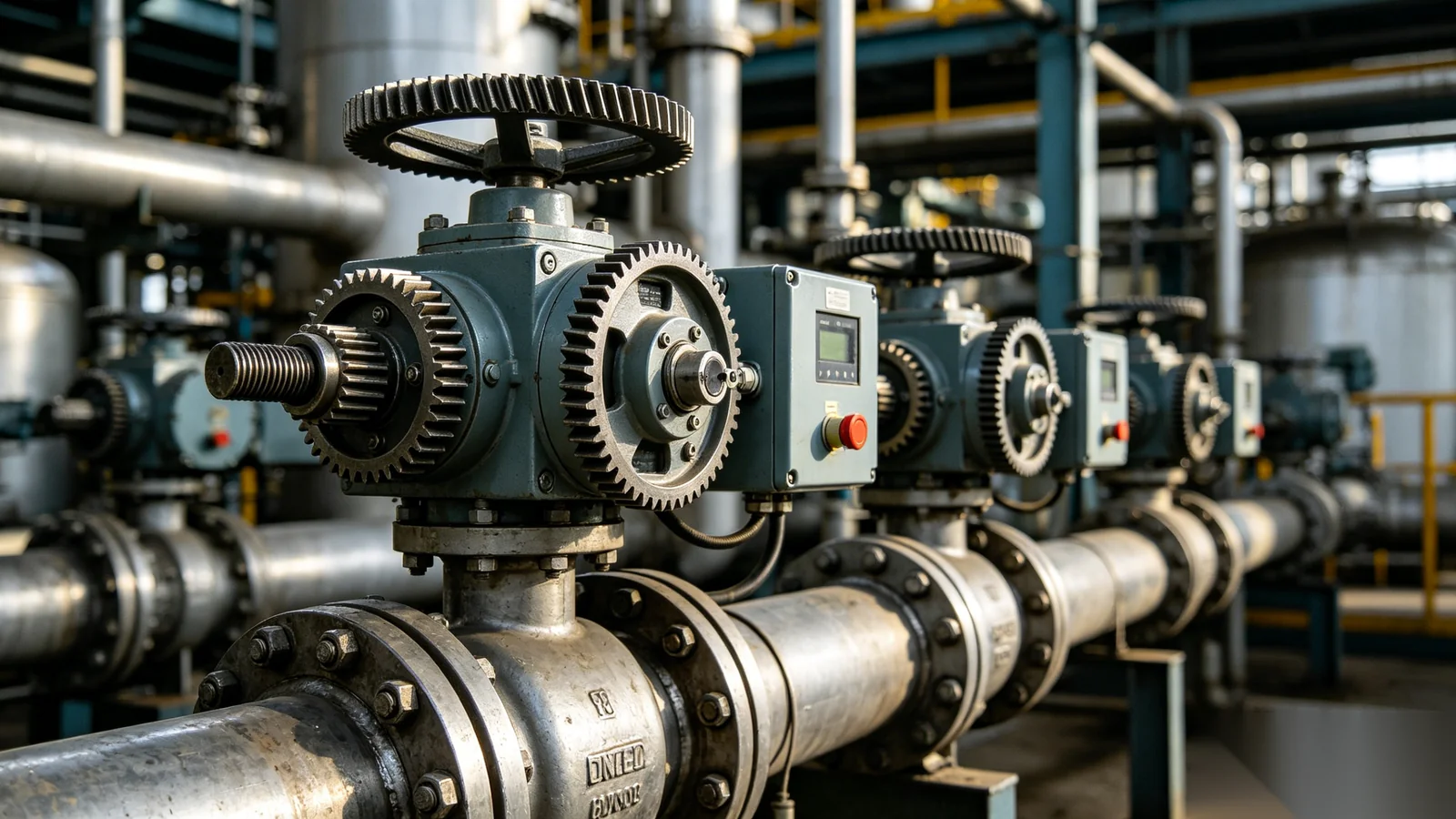
Chemical facilities require gear operators that can withstand continuous operation while maintaining precision and reliability. High torque worm gear operators provide the mechanical advantage required to operate large valves under high differential pressure. Quarter-turn operators serve butterfly, ball, and plug valves; multi-turn solutions address gate and globe valves; self-locking mechanisms prevent unwanted movement from process pressure or vibration; manual override supports maintenance and emergencies; automation-ready configurations accept electric, pneumatic, or hydraulic actuator integration. Ratio selection, housing strength, and bearing layout should align with documented valve torque and chemical plant safety factors. The feature grid below outlines gearbox capabilities most referenced in chemical processing valve specifications and EPC submittals.

High Torque Worm Gear Operators

Mechanical advantage to operate large valves under high differential pressure conditions — ratio families matched to chemical process torque requirements and safety margins.

Quarter-turn Valve Systems

Ideal for butterfly valves, ball valves, and plug valves used throughout chemical plants — verified output torque and controlled handwheel effort for field operation.

Multi-turn Valve Solutions

Suitable for gate valves and globe valves requiring multiple revolutions for full operation — thrust-capable layouts for rising stem and non-rising stem patterns.

Self-locking Mechanisms

Prevent unwanted valve movement caused by process pressure, vibration, or flow conditions — worm-worm wheel geometry holds position without continuous power input.

Manual Override Systems

Essential during maintenance procedures, emergency situations, and power interruptions — handwheel access for actuator-equipped valves in hazardous process areas.

Automation-ready Configurations

Configurable for electric, pneumatic, or hydraulic actuator integration — ISO 5211 topworks and drive interfaces prepared for plant automation upgrades.

Heavy duty worm gear operator for chemical processing valve
High TorqueGear operator solutions

Environmental Engineering

Corrosion Resistance and Environmental Protection

Chemical processing environments present some of the most demanding corrosion challenges found in industrial applications. Material selection is critical — stainless steel components, corrosion-resistant coatings, epoxy protection systems, and specialty surface treatments extend service life when operators are exposed to acids, alkalis, solvents, and aggressive cleaning agents. IP67 and IP68 sealed housings protect against water ingress, chemical splashes, dust contamination, and outdoor exposure on tank farms, loading racks, and open-process areas. Protection strategy should reflect actual exposure: enclosed pipe racks differ from splash zones and outdoor utility yards. The topics below detail corrosion-resistant materials, ingress protection systems, and harsh environment performance for chemical plant gear operators.

Corrosion-resistant Materials

Stainless steel components, protective epoxy coatings, specialized surface treatments, and compatible hardware grades reduce galvanic attack and chemical degradation in aggressive process areas. Material selection should align with media class — acids, chlorinated solvents, caustic solutions, and mixed chemical atmospheres each impose different requirements on housings, stems, and fasteners. Multi-layer coating systems over prepared substrates protect cast and fabricated housings; touch-up procedures after field installation preserve continuity at bolted joints and stem entries. Engineering documentation should state coating standard, dry film thickness, and expected service environment so EPC teams and owner-operators can verify submittals against project specifications for corrosive chemical duty.

IP67 and IP68 Protection Systems

IP67-rated enclosures withstand powerful washdown, driving rain, and temporary immersion at outdoor chemical installations; IP68 options extend protection for defined submersion conditions when coordinated with installation design such as valve pits or flooded utility trenches. Sealing includes gasketed covers, sealed bearing entries, and cable glands planned for actuator and position feedback leads. Specifiers should align IP class with geometry and maintenance access — elevated pipe racks differ from ground-level tank farm valves subject to chemical splash and hose-down procedures. Test reports and certification documentation support EPC quality plans and mechanical completion packages where ingress protection is a contractual requirement for chemical processing projects.

Harsh Environment Performance

Chemical plants combine corrosive atmospheres, temperature cycling, vibration from rotating equipment, and outdoor weather on exposed installations. Gear operators must maintain smooth operation through thermal expansion at stem interfaces, resist dust and chemical particulate ingress, and preserve coating integrity under UV and industrial cleaning regimes. Harsh environment performance depends on correct ratio and bearing selection as well as protection — operators that sit idle between batch cycles must still stroke reliably when isolation is required. Drainage paths, protective covers, and lubricants compatible with chemical vapors contribute to long service life. Planning environmental strategy during FEED avoids premature failure and unplanned downtime on critical isolation valves throughout the facility.

Corrosion-resistant sealed gear operator for chemical processing environment
IP67 / IP68Environmental protection

Process Control

Automation and Process Control Systems

Electric actuator compatibility, plant-wide automation integration, remote operation, emergency shutdown, smart monitoring, and SCADA support for modern chemical facilities.

Modern chemical facilities increasingly depend on automated valve operation for improved safety and process efficiency. Electric actuator compatibility, process automation integration with plant-wide monitoring, remote operation capabilities to reduce operator exposure to hazardous areas, emergency shutdown systems, smart monitoring with position indication, and SCADA integration form the control backbone for contemporary chemical plants. Successful automation requires mechanical compatibility — stem height, flange pattern, torque margin — plus electrical and protocol interfaces understood by instrumentation engineers. Gear operators provide the mechanical foundation for smooth actuator drive, manual override during maintenance, and position hold when power is removed. The blocks below outline automation capabilities referenced in chemical plant DCS and SCADA specifications.

Electric Actuator Compatibility

Interfaces compatible with electric actuators for automated valve control — mounting and drive coordination verified against actuator vendor data before installation.

Process Automation Integration

Valve automation systems integrated into plant-wide monitoring and control infrastructure — coordination with DCS, PLC, and safety instrumented system designers.

Remote Operation Capabilities

Improves safety by reducing operator exposure to hazardous process areas — remote open and close from control rooms or satellite operator stations.

Emergency Shutdown Systems

Rapid isolation capabilities during emergency situations — mechanical packages coordinated with ESD valves and actuators for predictable stroke under alarm conditions.

Smart Monitoring Solutions

Position indication and monitoring for valve status tracking throughout the facility — supports asset management and diagnostic trending on critical isolation points.

SCADA Integration

Support for broader automation systems used in modern chemical processing plants — coordination with integrators during FAT, SAT, and loop checks.

Electric actuator and gear operator on chemical plant valve with control system integration
AutomatedProcess control

Sector Solutions

Chemical Plant Applications

Our gear operators serve diverse chemical processing sectors — petrochemical facilities requiring heavy-duty automation, specialty chemical production with highly corrosive media, bulk chemical storage terminals, process water systems, loading and unloading transfer stations, and utility infrastructure including steam, cooling water, and compressed air. Each sector imposes different valve densities, media classes, and logistics on gear operator supply. Understanding sector context helps specifiers choose ratio families, materials, and automation interfaces that survive actual duty rather than defaulting to generic industrial catalog selections. The topics below describe how valve gear operators support petrochemical facilities, specialty chemical production, and bulk chemical storage and transfer operations.

Petrochemical Facilities

Petrochemical complexes concentrate high-pressure process valves in cracking, fractionation, and utility units with wide temperature and pressure ranges. Ball and gate valves on process and product lines require operators tolerant of thermal cycling and periodic full-stroke exercise during turnaround. Heavy-duty torque transmission supports large isolation valves on feedstock and product headers. Automation-ready topworks allow phased integration with plant DCS as units come online. Gear operator submittals should align with unit P&IDs, line class tables, and actuator vendor interfaces so mechanical completion proceeds without field adaptation in congested pipe racks typical of petrochemical construction.

Specialty Chemical Production

Specialty chemical plants often handle highly corrosive, reactive, or high-purity media where material compatibility and sealing integrity are paramount. Plug and ball valves on batch reactors, blend headers, and transfer lines need operators with stainless components and coatings matched to aggressive chemistry. Batch operations impose intermittent duty with critical isolation between campaigns — operators must stroke reliably after idle periods. Small-batch flexibility and multi-product campaigns favor standardized operator families across valve sizes to simplify spares and maintenance training. Engineering support during process hazard review helps align operator specs with containment and isolation requirements for specialty production environments.

Bulk Chemical Storage and Transfer

Bulk storage terminals and tank farms use isolation valves on inlet, outlet, and recirculation lines for inventory control, loading, and emergency shutdown. Outdoor installations expose operators to weather, chemical splash, and hose-down procedures — IP-rated and corrosion-protected packages are standard. Loading and unloading transfer stations require dependable shutoff on rail, truck, and pipeline connections. Automated valves support remote operation from control rooms during transfer operations, reducing personnel exposure. Documentation for tank farm projects includes torque tables per tag, coating records, and installation guidance for stem extensions and elevated operator access on large-diameter tank nozzles.

Chemical plant tank farm and process units with valve gear operators
Multi-sectorChemical plant applications

Project Delivery

OEM and EPC Project Support

We support OEM manufacturers, EPC contractors, engineering consultants, and industrial project developers worldwide. Engineering documentation including CAD drawings, technical datasheets, installation documentation, and product specifications accelerates bid review and mechanical completion. Custom design support addresses torque requirements, valve dimensions, mounting standards, and environmental conditions specific to chemical processing projects. OEM manufacturing programs supply private-label or customized gearbox solutions integrated at valve assembly centers. Global export support includes documentation and packaging aligned to international chemical and petrochemical project logistics. The topics below describe engineering documentation, custom OEM manufacturing, and global export services for chemical industry project partners.

Engineering Documentation and Support

Deliverables include 2D installation drawings, 3D models for layout and clash checks, torque and rim-pull tables, and maintenance instructions formatted for owner O&M manuals. Technical support responds to bid clarifications, reviews actuator compatibility, and assists commissioning with stroke verification and override procedures. Submittals for chemical projects state coating systems, IP ratings, materials, and interface dimensions clearly per valve tag. When specifications conflict — for example corrosion class versus actuator envelope in a congested pipe rack — engineering documents the resolution before manufacture. Documentation-first delivery reduces delay on chemical jobs where field rework in hazardous areas is costly and schedule-critical.

Custom Design and OEM Manufacturing

Valve OEMs integrate gear operators at factory or regional assembly centers — requiring consistent ISO 5211 patterns, ratio families, and labeling across pressure classes and end connections. Custom design addresses non-standard stem heights, high-torque applications, and chemical-specific coating packages. Private-label documentation and export packaging reinforce OEM brand presence in global chemical markets. Prototype fit-up on customer valves, drawing approval, and locked releases for serial production treat gear operators as part of the valve BOM. Collaboration includes rationalized housing sizes to reduce SKU complexity while covering chemical process torque ranges from utility lines to main process isolation.

Global Export and Project Logistics

International chemical and petrochemical projects require collated material certificates, coating records, and packing lists aligned to site receiving and customs clearance. Batch delivery coordinated with unit mechanical completion or module fabrication reduces yard congestion and preserves protective finishes in transit. Export quality control verifies marking, documentation completeness, and protective packing before release. Engineering teams support timezone-distributed projects with responses to RFIs and inspection hold points. Whether the scope is a greenfield specialty chemical plant, a petrochemical expansion, or a bulk terminal upgrade, project logistics emphasize traceability and schedule-aware production expected on global chemical infrastructure work.

Engineering team reviewing chemical processing EPC valve automation project documentation
EPC / OEMProject support

Production Quality

Manufacturing and Quality Assurance

Precision CNC machining, gear manufacturing, torque verification, assembly inspection, surface protection verification, and export quality control for chemical processing projects.

Reliable performance begins with precision manufacturing and rigorous quality control. CNC machining produces housings, covers, and worms to drawing tolerances; gear manufacturing delivers smooth worm and transmission components; torque verification testing confirms output performance; assembly inspection validates alignment, sealing, and functionality; surface protection verification evaluates coatings and sealing systems; export quality control inspects products to meet international industrial project requirements. Quality assurance integrates with ISO 9001 procedures — incoming material checks, in-process dimensions, and final bench tests — so EPC inspectors and OEM auditors find consistent evidence. The quality grid below summarizes manufacturing capabilities most cited when qualifying suppliers for chemical and petrochemical projects worldwide.

Precision CNC Machining

Consistent dimensional accuracy and repeatable performance — ISO 5211 interfaces and bearing bores held for aligned assembly under chemical process stem loads.

Gear Manufacturing

Worm gears and transmission components produced for smooth operation and long service life in continuous chemical plant duty cycles.

Torque Verification

Testing procedures verify gearbox performance and operational reliability — results traceable to batch or tag when project ITPs require documented evidence.

Assembly Inspection

Each assembly inspected for proper alignment, sealing, and functionality before release — labeling and interface dimensions verified against approved drawings.

Surface Protection Verification

Protective coatings and sealing systems evaluated for durability — thickness and adhesion checks support corrosion claims on chemical project submittals.

Export Quality Control

Products inspected to meet international industrial project requirements — marking, documentation, and protective packing for global chemical plant shipments.

Client Value

Why Chemical Processing Clients Choose Our Solutions

Chemical plant owners, EPC contractors, and valve OEMs select gear operator partners based on corrosion-resistant engineering, manufacturing traceability, automation readiness, and responsive technical support — not on generic industrial catalog claims. Chemical processing imposes distinct risks: hazardous media, strict environmental permits, and assets that must operate reliably for decades in corrosive atmospheres. Clients value suppliers who document coating, IP, and torque choices clearly; who support OEM and EPC schedules with tagged submittals; and who deliver stainless steel and epoxy protection options matched to actual process exposure. Global export experience matters when projects span regions with different standards and inspection regimes. The points below summarize why chemical processing stakeholders align valve gear operator procurement with our engineering and manufacturing approach.

Heavy-duty gearbox engineering expertise

Application focus on chemical, petrochemical, and specialty process valve duty with high torque worm gear design.

Corrosion-resistant protection systems

Stainless steel components, epoxy coatings, and surface treatments for aggressive chemical environments.

IP67 and IP68 sealing options

Ingress protection for outdoor tank farms, splash zones, and washdown areas throughout chemical facilities.

OEM and EPC project support

Tagged submittals, CAD releases, and schedule-aware production for international chemical projects.

Custom engineering capabilities

Non-standard torque, mounting, and material packages tailored to chemical process requirements.

Precision CNC manufacturing

Controlled machining, assembly inspection, and torque verification under ISO quality procedures.

Global export experience

Documentation and packing aligned to cross-border chemical and petrochemical project logistics.

Technical documentation support

Torque tables, installation drawings, and O&M content formatted for owner mechanical completion packages.

Long service life performance

Materials and sealing selected for decades of duty in corrosive chemical processing environments.

Reliable industrial automation solutions

Automation-ready topworks compatible with electric actuators, ESD logic, and SCADA integration.

Common Questions

Frequently Asked Questions

What valve types can be operated with worm gear operators?+

Worm gear operators are commonly used with butterfly valves, ball valves, plug valves, gate valves, and other industrial valve systems. They provide the torque multiplication and mechanical advantage needed for smooth, controlled valve operation in chemical processing applications. Quarter-turn worm gearboxes pair with butterfly, ball, and plug valves; multi-turn units serve gate and globe patterns. Selection should consider break and running torque, media compatibility, self-locking requirements, and whether electric or pneumatic actuation is planned at initial installation or a later upgrade phase.

Are corrosion-resistant options available for chemical plants?+

Yes. Stainless steel components, protective epoxy coatings, specialized surface treatments, and advanced sealing systems are available for corrosive chemical environments. Our engineers can recommend the appropriate material and protection level based on your specific process media — including acids, alkalis, solvents, and mixed chemical atmospheres. Coating thickness records and material certificates support EPC submittals and owner audit requirements. Protection packages can be aligned to outdoor tank farm exposure, enclosed pipe rack duty, or splash-zone installations where chemical hose-down is routine.

Can gear operators be integrated with electric actuators?+

Yes. Automation-ready configurations can be supplied for integration with electric, pneumatic, or hydraulic actuators. This allows seamless integration with plant-wide process control and automation systems including DCS, PLC, and SCADA architectures. Engineering support can review actuator models, stem dimensions, fail mode, and control signals during bid and submittal to prevent interface conflicts before installation in hazardous process areas. Manual override paths remain available for maintenance and emergency operation when actuators are de-energized.

Are IP67 and IP68 protection levels available?+

Yes. Depending on project requirements, sealed housings with IP67 or IP68 protection can be provided for demanding chemical processing environments where water ingress, chemical splashes, or dust contamination are concerns. IP67 addresses powerful washdown and temporary immersion; IP68 extends protection for defined submersion conditions when coordinated with installation design. Test reports and certification documentation support quality plans where ingress protection is specified on datasheets for outdoor chemical installations, tank farms, and utility areas subject to environmental exposure.

Do you support OEM and EPC projects?+

Yes. We provide engineering support, CAD documentation, custom design assistance, and global export services for OEM and EPC customers in the chemical processing industry worldwide. Deliverables include tagged submittals, torque tables, installation drawings, coating and IP documentation, and batch production aligned to unit mechanical completion schedules. Valve OEMs receive harmonized mounting patterns and private-label options; EPC teams receive engineering responses for specification clarifications and inspection requirements. Technical support continues through pre-commissioning and commissioning for stroke verification and override procedures on critical chemical plant isolation valves.

Need Reliable Valve Gear Operators for Chemical Processing Projects?

Whether you are designing a new chemical facility, upgrading existing infrastructure, or sourcing valve automation components for an EPC project, our engineering team can help identify the most suitable gear operator solution for your application. Contact us for a technical consultation or quotation — we support corrosion-resistant configurations, IP67 and IP68 sealing, actuator integration, and global project delivery for chemical and petrochemical facilities worldwide.