Valve Automation Requirements in Marine Environments
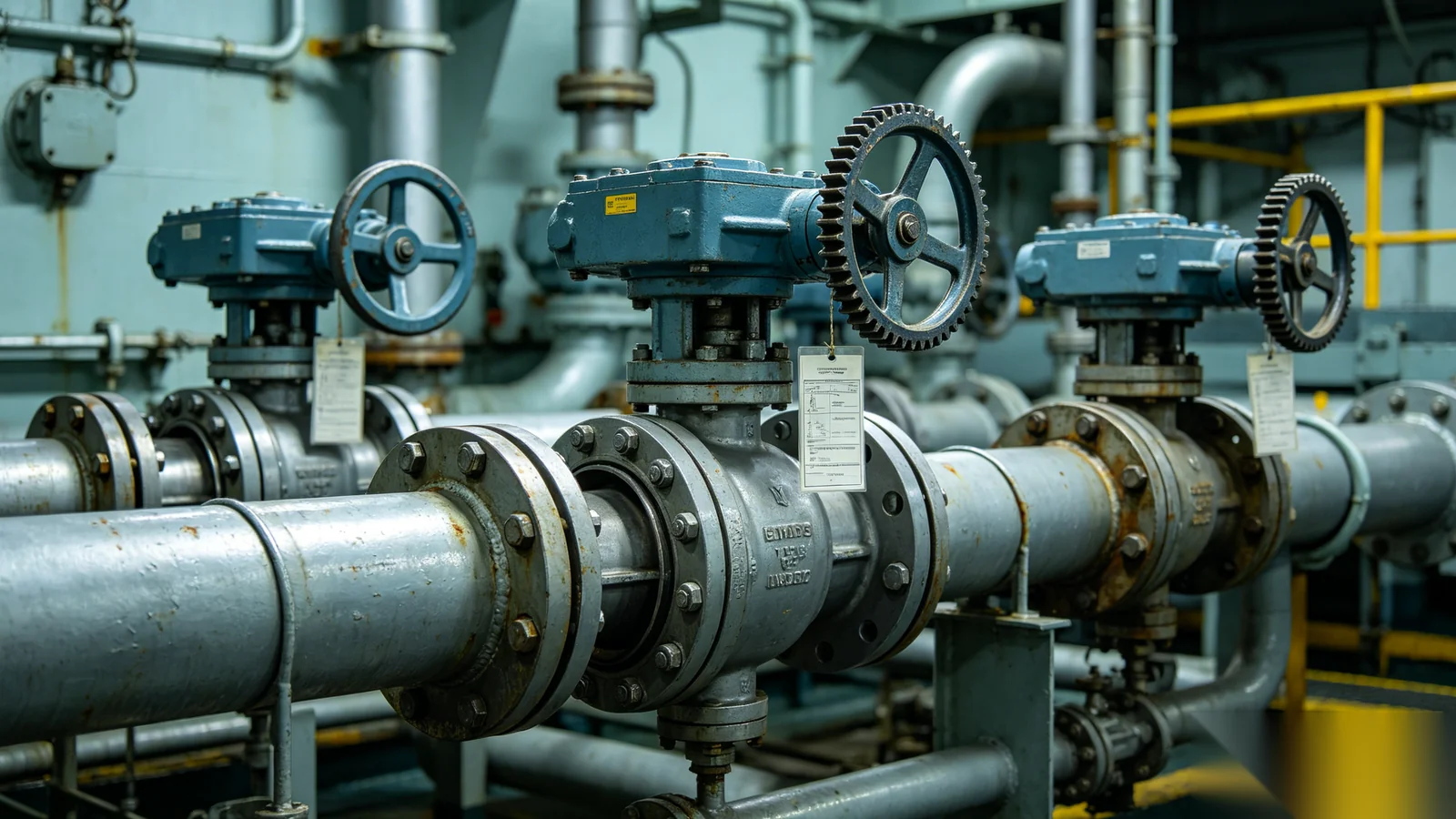
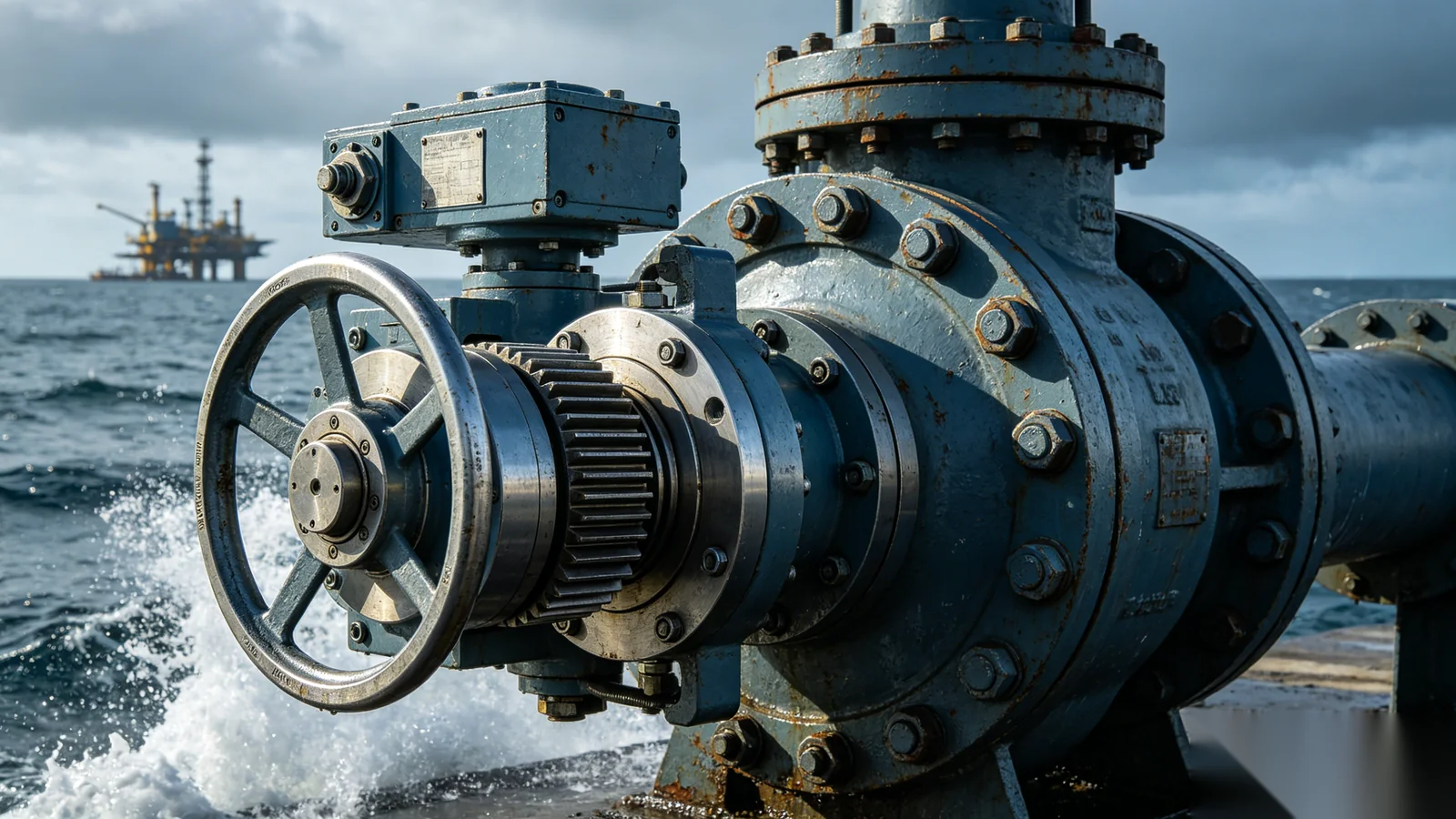
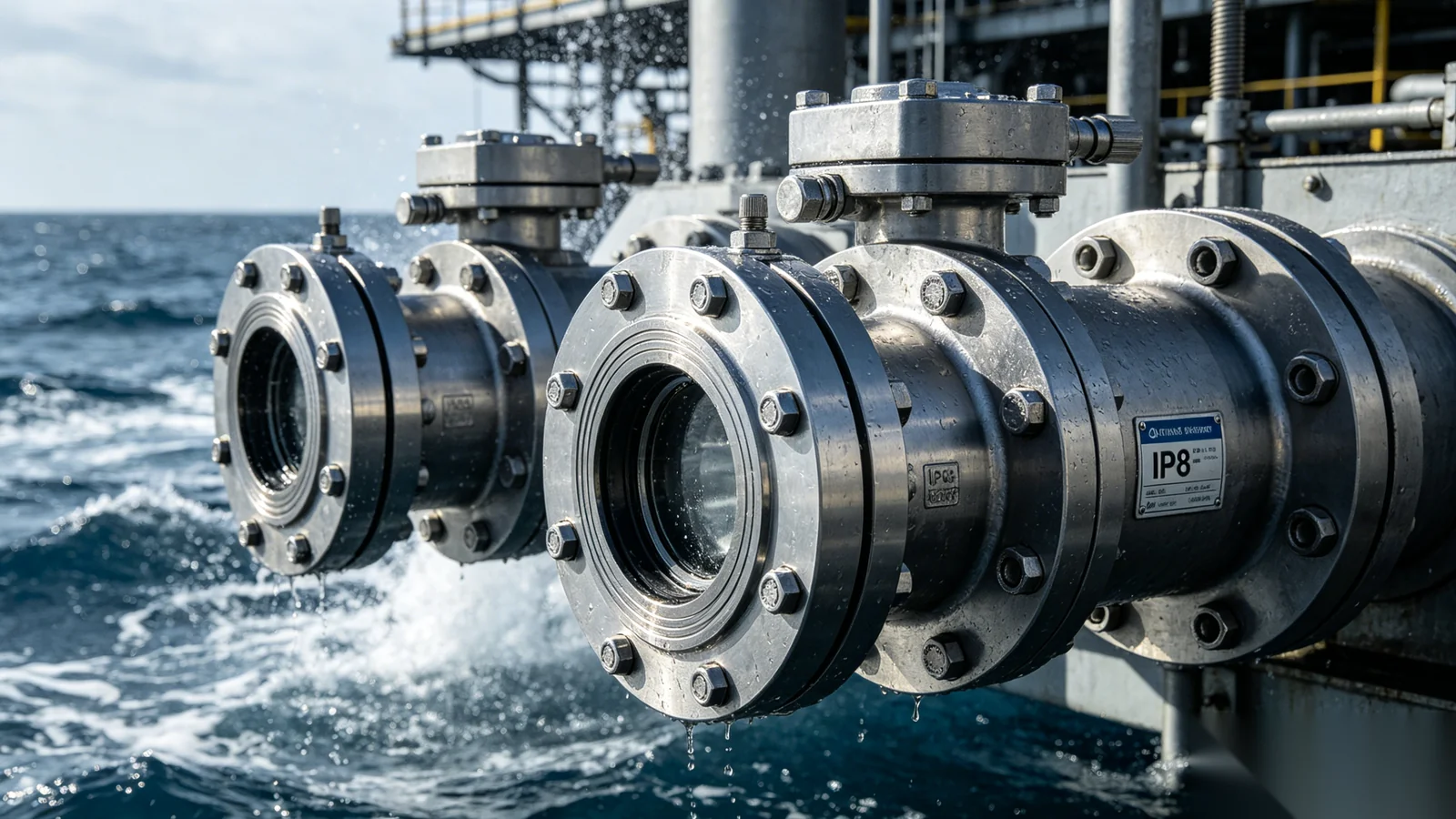
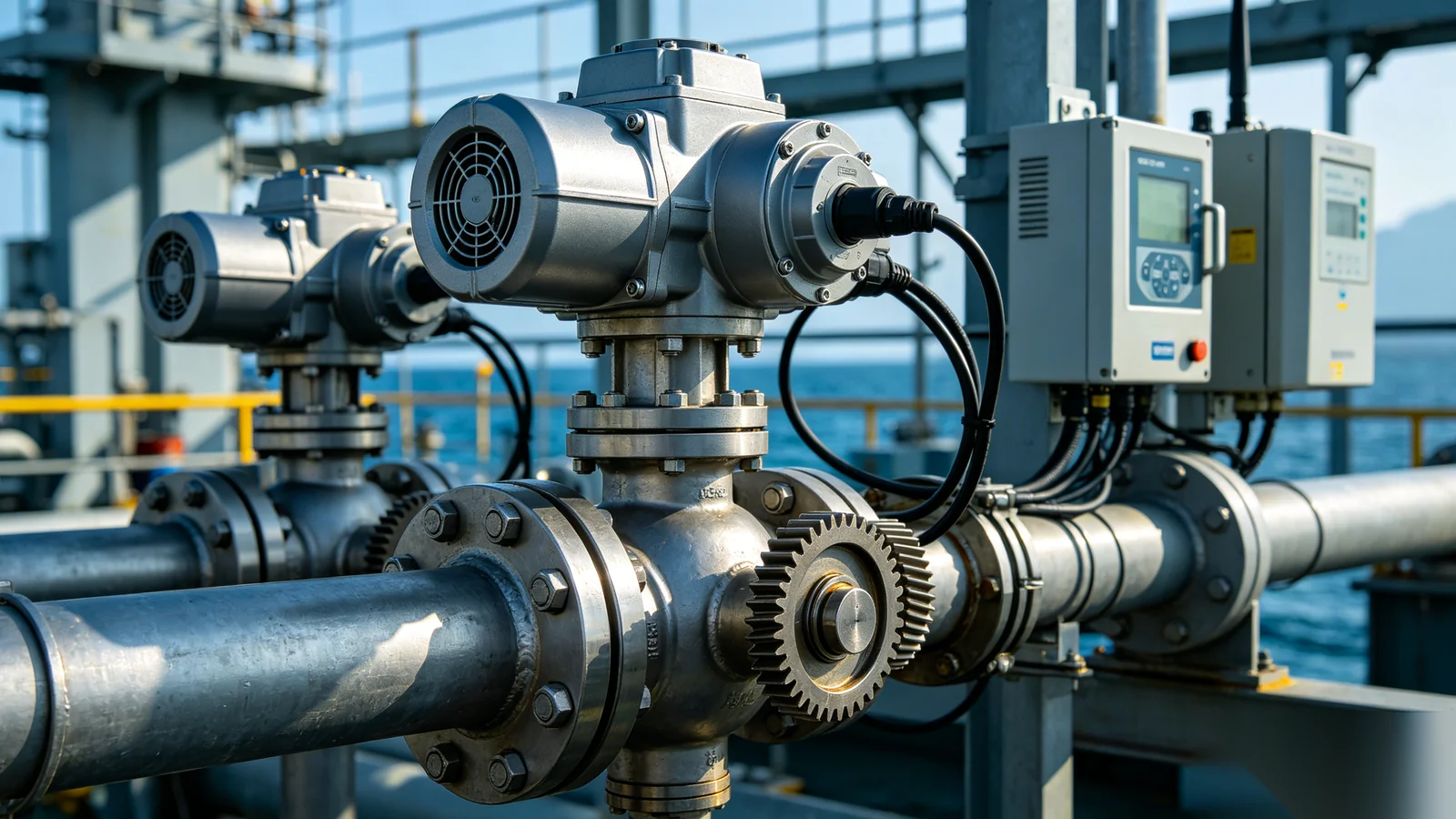
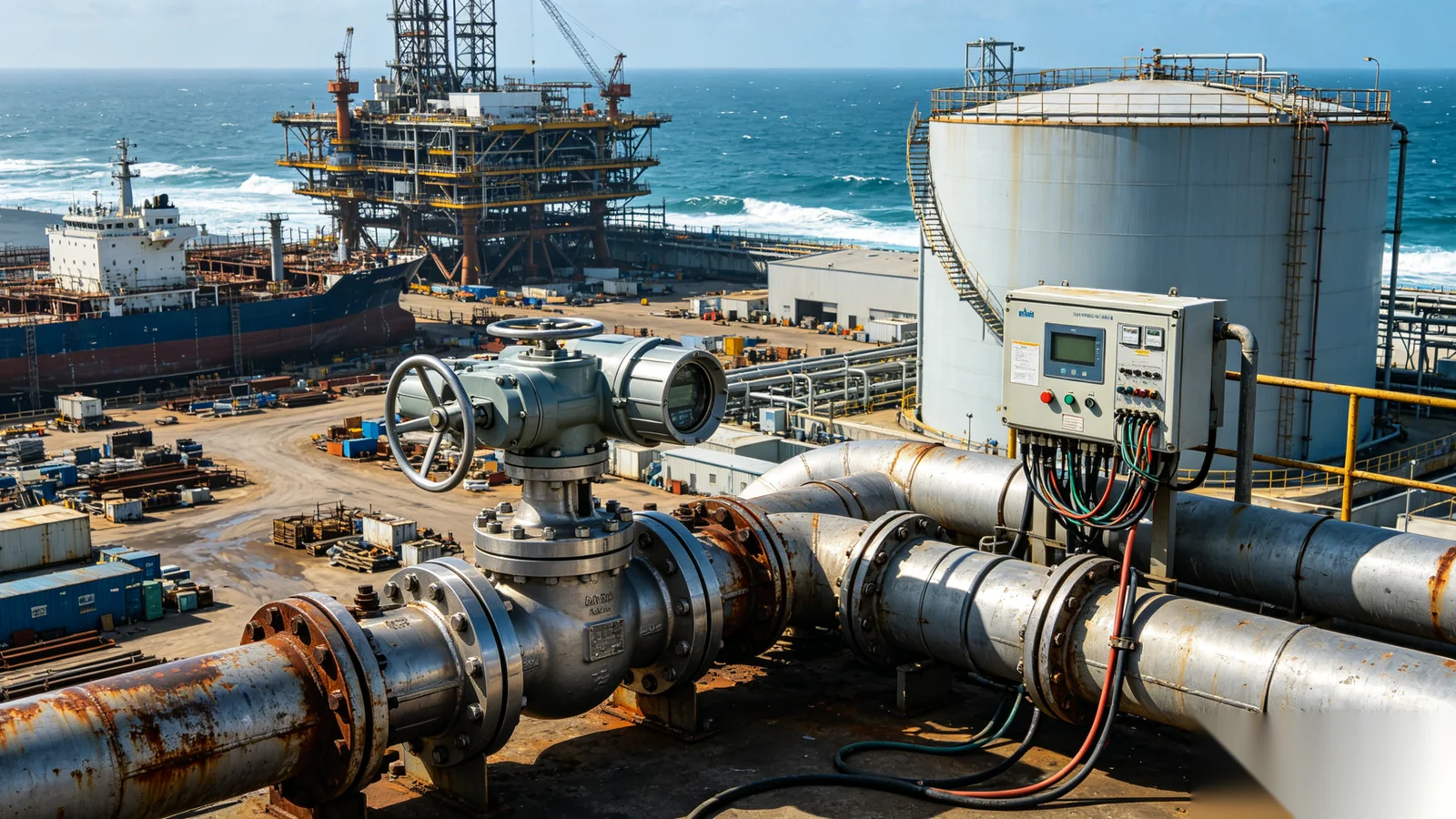
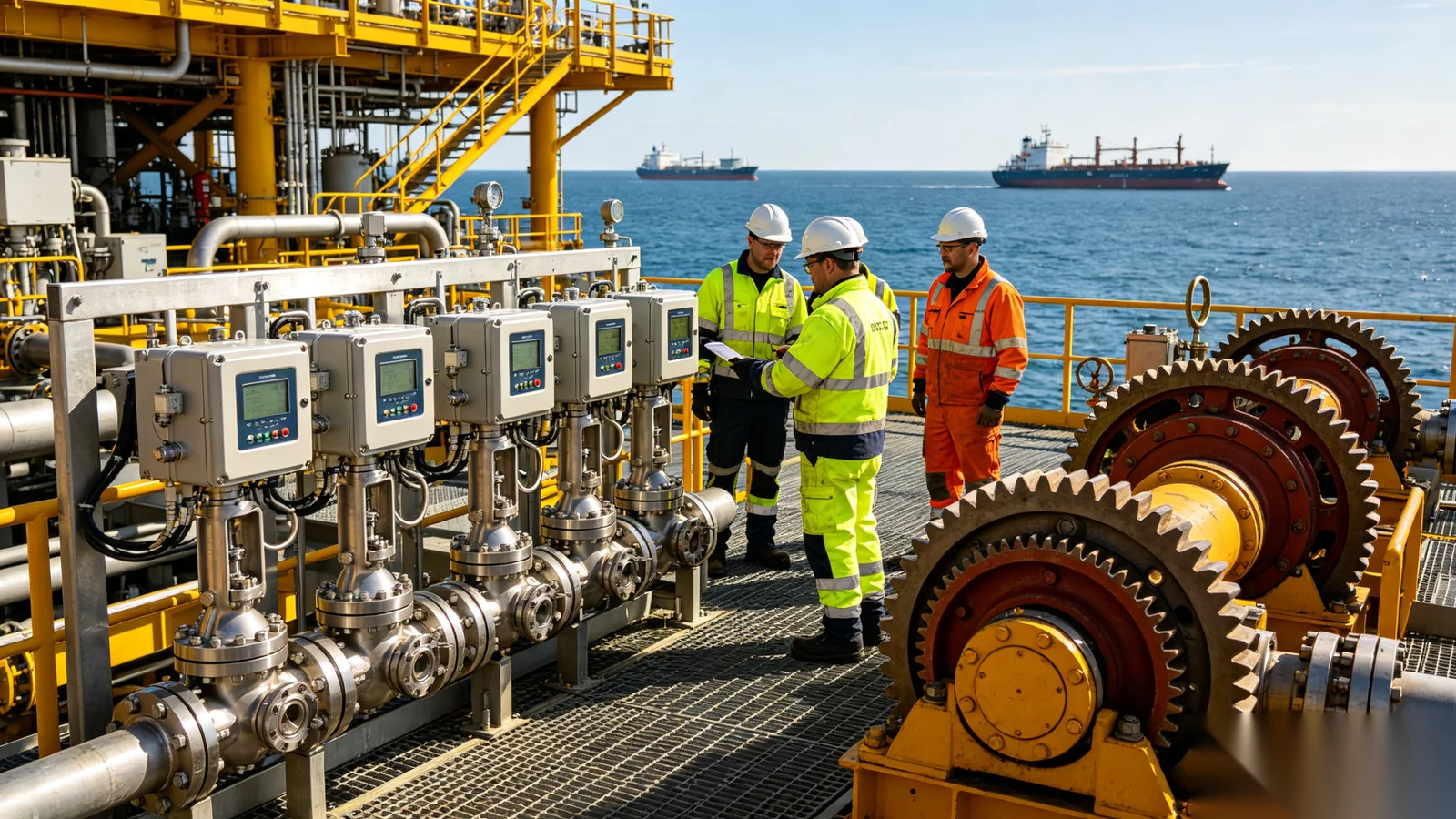
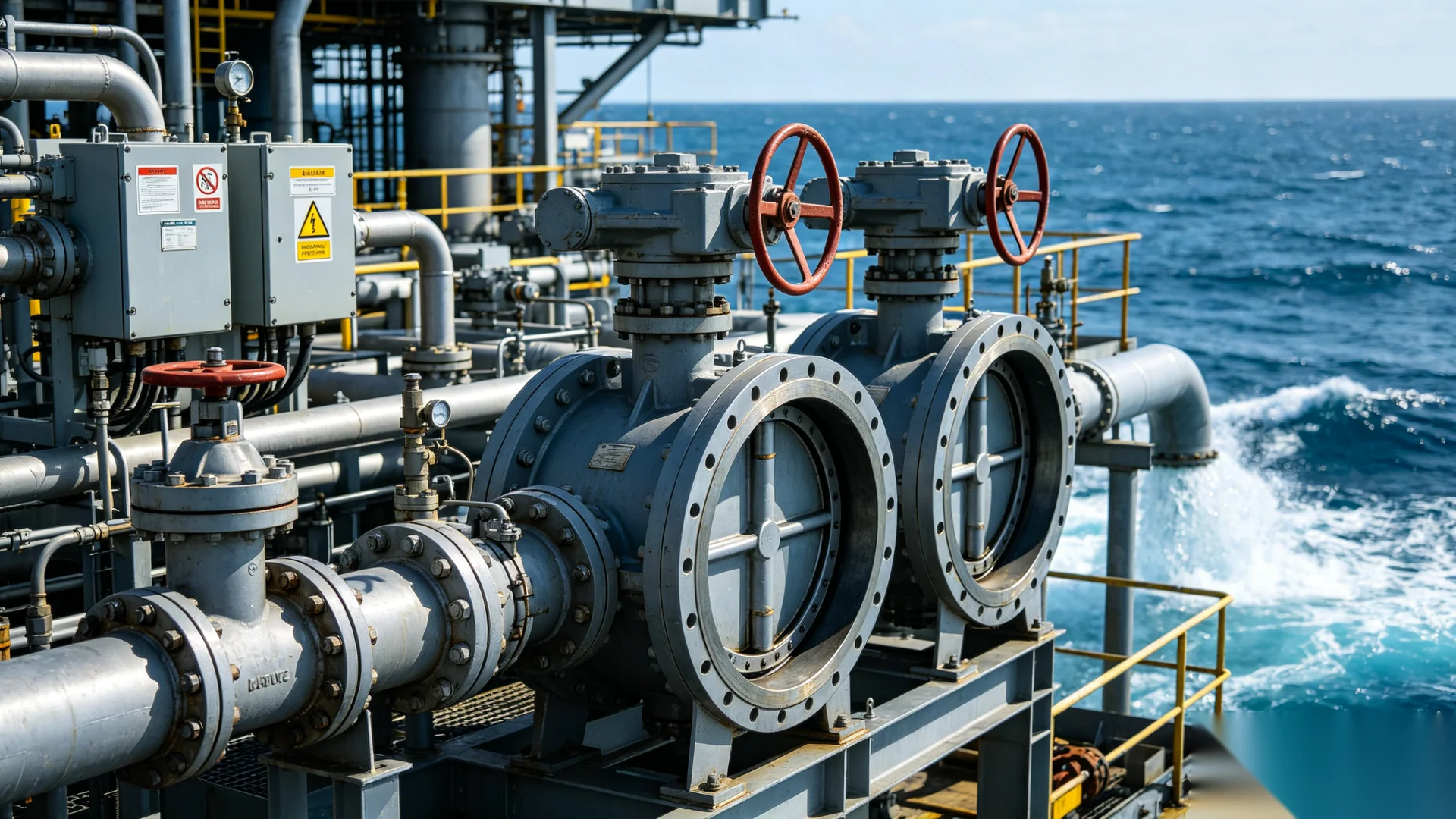
Marine environments segment fluid systems through seawater intake, cooling loops, ballast management, firefighting networks, fuel transfer, and offshore process headers — each stage uses isolation, control, and safety valves with distinct torque and access requirements. Butterfly valves dominate seawater cooling and large utility headers; ball valves provide quick isolation on fuel and process lines; gate valves appear on drain and tight-shutoff duties. Gear operators must align with ISO 5211 mounting patterns, stem extensions for deck and engine-room clearances, and space for actuators and position feedback devices in congested shipboard layouts. Duty cycles range from infrequent emergency strokes to regular ballast operations and offshore process switching. Specifiers should document operating torque with safety factors, media class including seawater chemistry, and deck exposure so gearbox ratio, housing strength, and marine coatings match real loads rather than generic industrial catalog minimums.