ISO 9001 API 6D CE / PED EN

Engineering Selection · ISO 5211 · Torque & Protection

Valve Gear Operator Selection Tools and Engineering Guides

Find the correct valve gear operator configuration before it reaches the jobsite — not by guesswork, but through structured engineering selection. This resource center supports torque calculation, ISO 5211 mounting compatibility, material and coating choices, IP67 and IP68 environmental protection, and the decision path between quarter-turn, multi-turn, manual, and automated systems. Whether you are matching a worm gearbox to a butterfly valve, sizing for high-pressure isolation, or planning valve automation with declutchable override, our guides and application engineers help you align output torque, flange class, stem interface, and duty rating with real operating conditions.

Torque & Valve Matching ISO 5211 Mounting IP67 / IP68 Protection

Selection Platform

Complete Valve Gear Operator Selection Support

TorqueCalculation & sizing
ISO5211Mounting standards
IP67/68Environmental protection

Valve gear operator selection is an engineering discipline — not a catalog exercise. The correct gearbox must deliver sufficient output torque under worst-case differential pressure, engage the valve stem without damaging square or keyed interfaces, and survive the installation environment for decades of intermittent duty. Our selection center organizes that decision into practical pathways: torque and valve size, flange and mounting standard, materials and ingress protection, and operation type from manual handwheel through motorized automation with declutchable override.

Each pathway connects to application guidance, interface checklists, and access to engineers who size worm gear and bevel gear operators daily for water treatment, oil and gas, power, mining, chemical, and offshore projects. Selection support extends from RFQ through submittal — torque tables traceable to calculation basis, ISO 5211 layouts verified against your valve top works, and protection levels matched to outdoor, buried, or marine exposure. The objective is configuration certainty: operators that install without adapter surprises and perform through the full pressure and temperature envelope your specification defines.

Why Proper Gear Operator Selection Matters

Undersized operators stall on the seat or cannot break unseating torque; oversized units add cost, mass, and handwheel rim forces that violate ergonomics or automation torque limits. Misaligned ISO 5211 interfaces create stem runout, accelerated packing wear, and indicator errors that appear only after hydrotest. Wrong protection ratings allow moisture into housings, corroding internals that passed factory inspection. Proper selection prevents rework at commissioning — the most expensive place to discover a torque or mounting mismatch. Engineering selection upfront aligns gearbox ratio, housing material, coating system, and override features with how the valve actually operates in your process, not how it appears on a generic datasheet line.
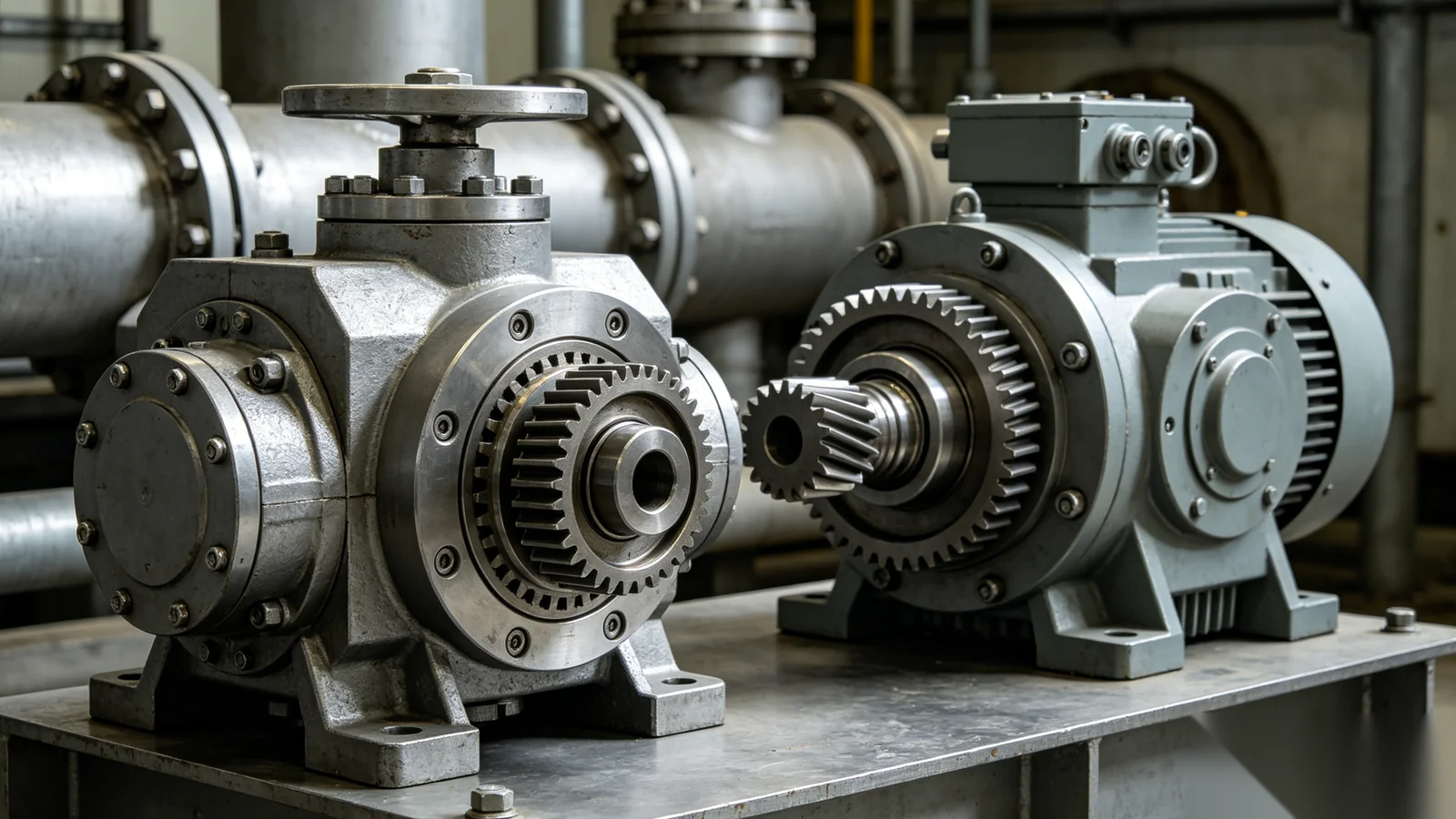
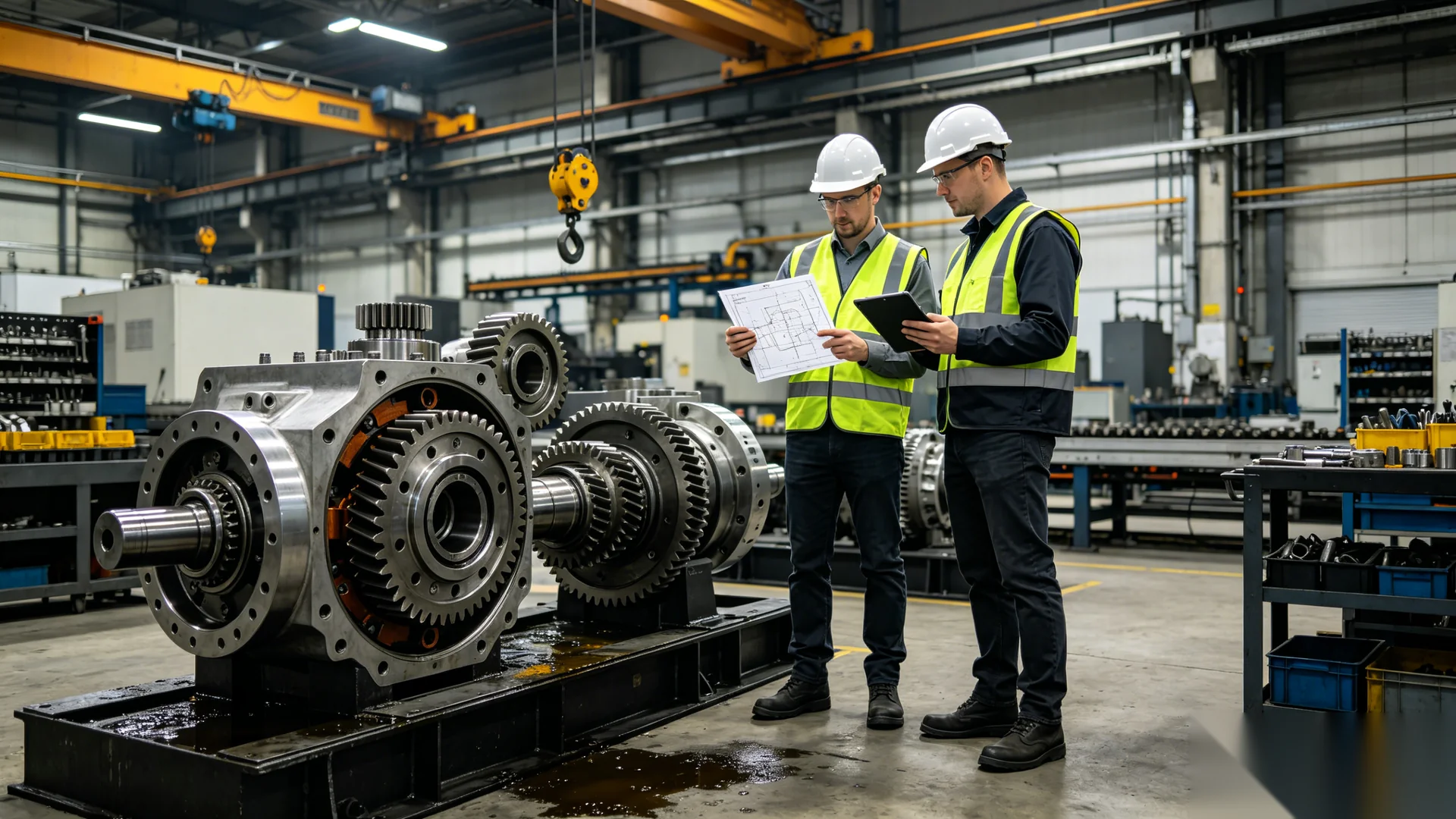
Engineering Factors in Valve Gearbox Selection

Critical factors include required output torque at maximum differential (with agreed safety factor), valve type and turn requirement (90° quarter-turn versus multi-turn rising stem), stem dimensions and drive geometry, mounting flange class per ISO 5211, environmental exposure, and whether the installation is manual-only, automation-ready, or fully motorized with declutchable manual override. Pressure class, media temperature, and duty cycle influence bearing and lubricant choices. Underground or submerged installations demand IP68 sealing and corrosion-resistant materials beyond standard carbon steel with paint. Selection tools on this page route each factor to guidance and human review when projects exceed standard matrices — custom torque, non-standard flanges, and combined bevel-worm arrangements included.

Support for Industrial Valve Automation Projects

Valve automation projects require the gear operator to integrate with actuators, limit switches, and control systems without mechanical interference. Selection support covers automation-ready topworks, declutchable override for manual intervention, and torque margins that respect actuator stall ratings. OEM valve manufacturers receive mounting reviews against their body patterns; EPC contractors receive tag-level recommendations aligned to P&ID valve types. Engineering consultation includes CAD mounting drawings, adapter plate design, and coordination with electric or pneumatic actuator suppliers so the complete assembly is buildable and maintainable in the field — not just individually compliant components.

Torque Sizing

Selection by Torque Requirements

Output torque is the primary sizing variable for valve gear operators. Required torque depends on valve type, seat material, differential pressure, stem diameter, and whether the motion is break-to-open, open-to-close, or seated end-stop. Quarter-turn butterfly and ball valves demand peak torque during unseating; gate and globe valves in multi-turn service accumulate stem friction over many turns. Heavy-duty and high-pressure systems increase torque demand and often require higher gear ratios or double-reduction worm stages. Use the pathways below to align your application with typical torque bands — then submit valve data for calculation with documented safety factors and handwheel rim force targets.

Low Torque Applications

Small-bore quarter-turn valves, low differential pressure, and light-duty water service — compact worm operators with direct ISO 5211 mounting.

Medium Torque Systems

Mid-size butterfly and ball valves in process and utility lines — standard ratios with verified rim force and automation margins.

Heavy Duty Torque Requirements

High-friction seats, large bore, or elevated operating torque — reinforced housings and higher reduction worm gearing.

Large Valve Applications

Large-diameter valves and high stem loads — multi-stage reduction, bearing upgrades, and structural mounting review.

High Pressure Systems

Elevated differential pressure increasing unseating torque — calculation-based sizing with agreed safety factors per project standard.

Industrial Automation Torque Selection

Motorized and actuator-driven packages — stall torque coordination, declutchable override, and gear ratio matched to drive speed.

Torque selection guidance for valve gear operators across valve sizes and pressure classes
TorqueEngineering sizing

Interfaces

Selection by Flange and Mounting Standards

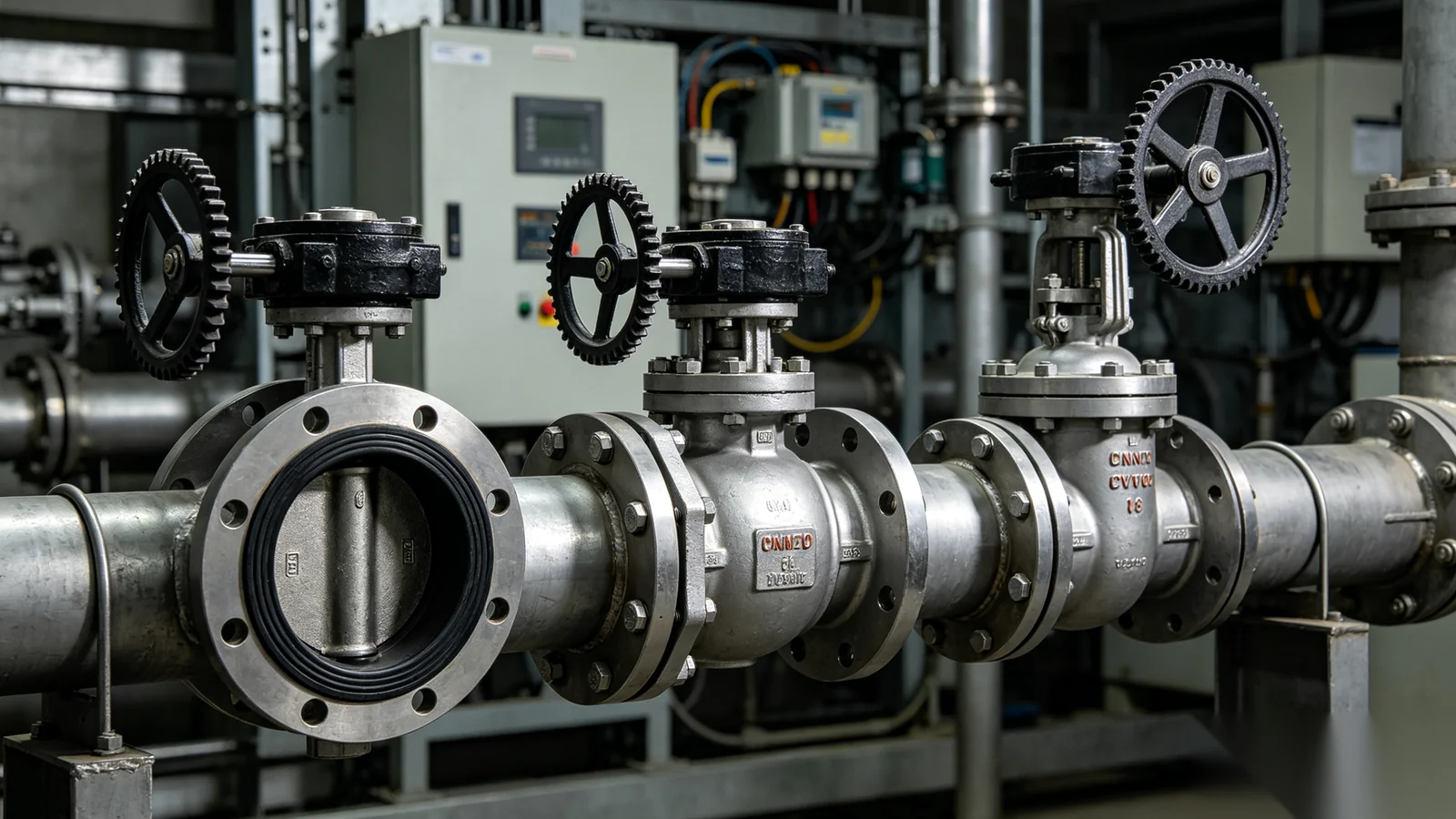
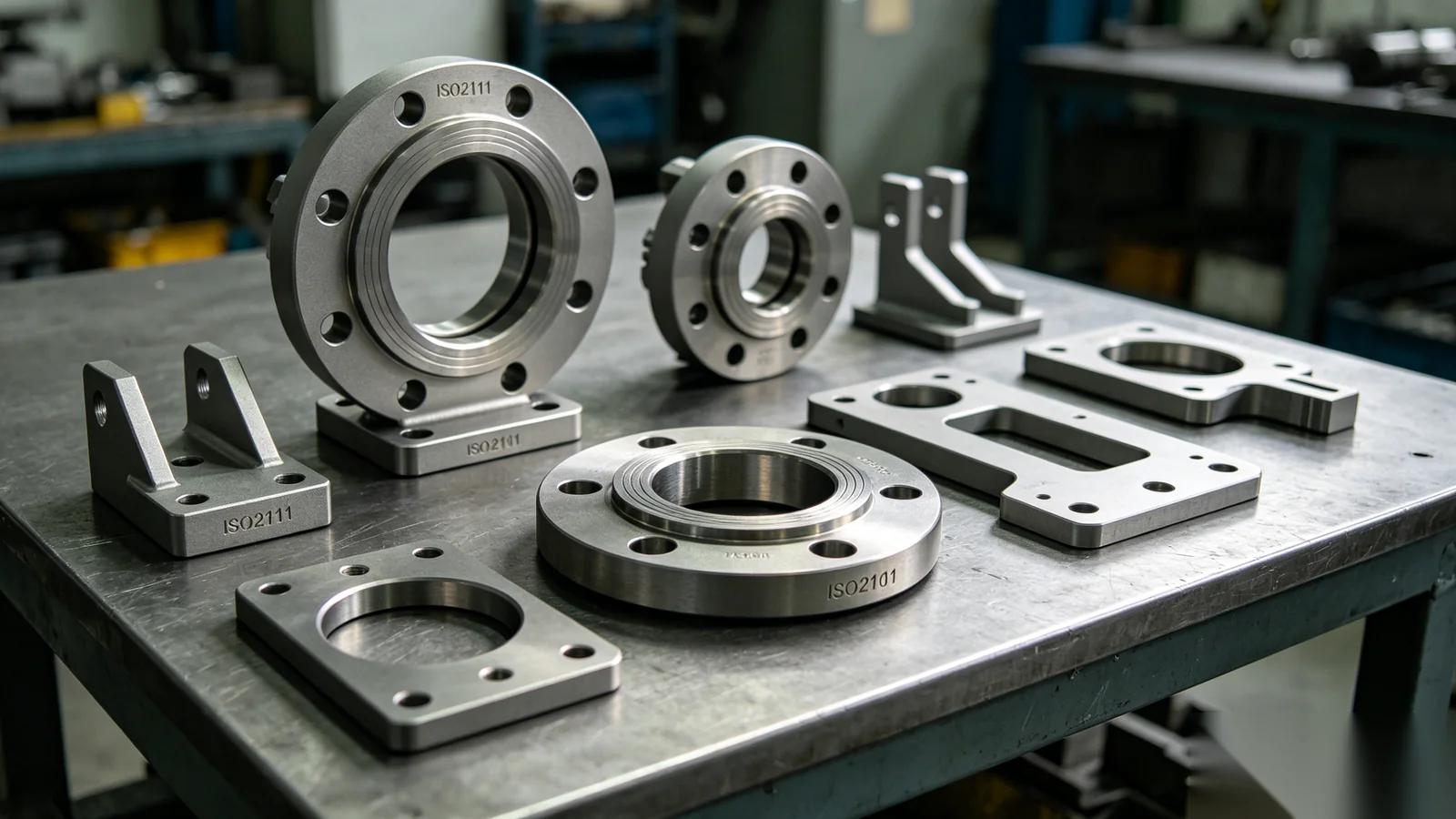
Mechanical interface compatibility determines whether an operator installs in hours or days. ISO 5211 defines flange dimensions, bolt patterns, and stem drive engagement for mounting valve gearboxes to valve topworks. Selection must address flange size (F-series), stem bore and keyway, adapter plates when valve and operator patterns differ, and shaft alignment to minimize runout. Installation engineering support includes dimensioned drawings, torque sequencing for fitted bolts, and guidance on unsupported stem extensions. The cards below map common mounting decisions — confirm your valve topwork data against ISO 5211 tables before finalizing automation layouts.

ISO 5211 Compatibility

Flange class, bolt circle, and drive sleeve selection per ISO 5211 — matched to your valve topwork specification.

Mounting Flange Selection

F05 through F35 and extended patterns — correct pattern prevents interference with actuators and accessories.

Adapter Plate Solutions

Transition plates when valve and operator bolt patterns differ — machined thickness and stiffness calculated for load transfer.

Shaft Connection Systems

Square, keyed, and bespoke stem drives — engagement length and material matched to stem torque capacity.

Valve Interface Compatibility

Topwork review for butterfly, ball, plug, and gate valves — clearance for brackets, indicators, and future automation.

Installation Engineering Support

Field alignment, bolt torque specs, and shimming guidance — reducing commissioning delays from interface issues.

ISO 5211 mounting flange and adapter plate selection for valve gear operators
ISO5211 mounting

Materials & Protection

Selection by Material and Environmental Protection

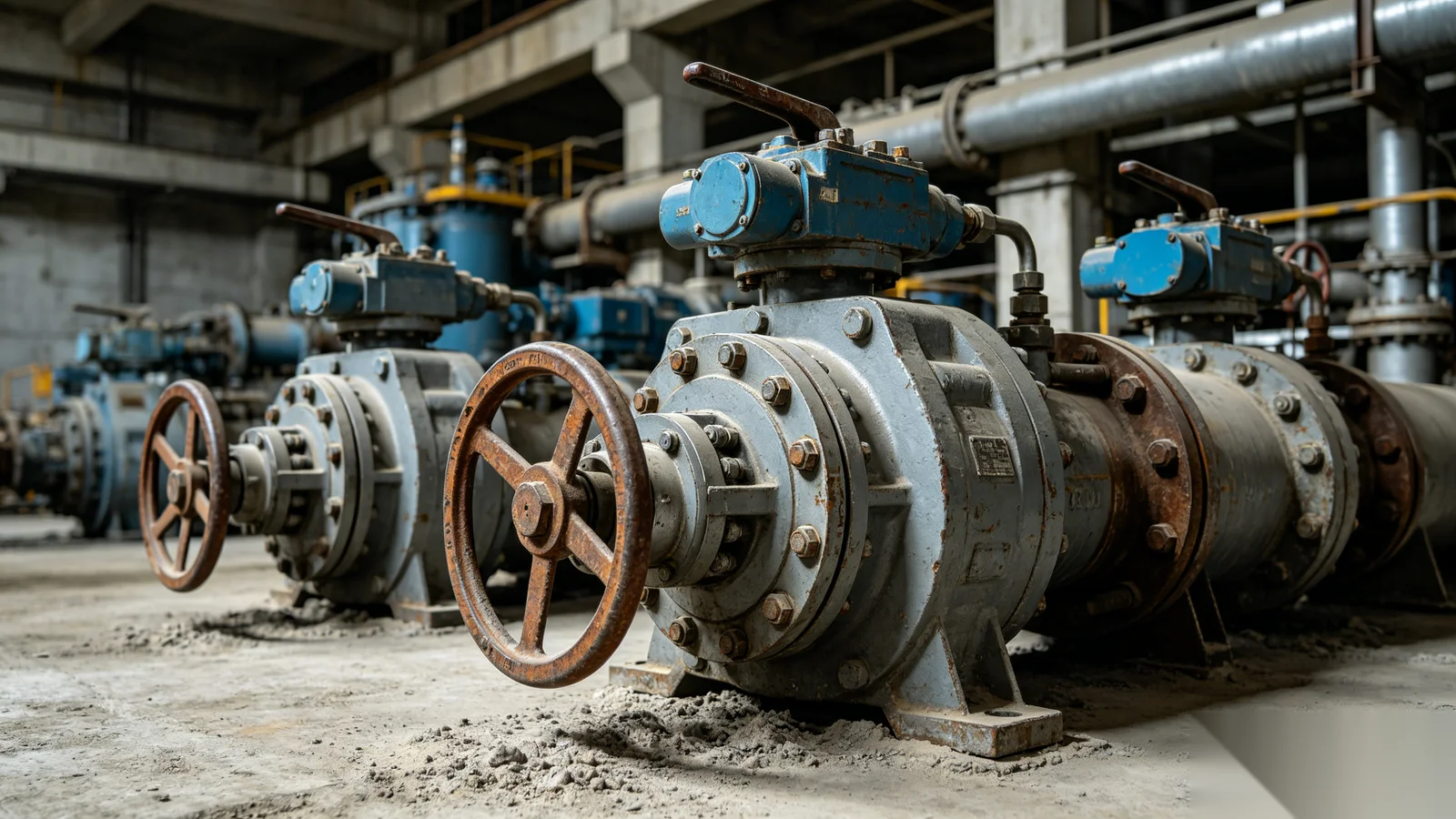
Environmental exposure often dictates operator longevity more than torque margin alone. Carbon steel with industrial coating suits sheltered indoor installations; stainless steel and enhanced coatings address coastal, chemical, and washdown areas. Ingress protection per IEC 60529 defines how effectively housings exclude dust and water — IP67 for temporary immersion resistance, IP68 for prolonged submersion or buried service when properly specified. Offshore and marine projects combine material grade, cathodic protection awareness, and seal materials compatible with temperature swings. Match material and IP rating to the worst credible site condition, not average weather, to avoid premature internal corrosion or seal failure.

Carbon Steel Construction

Cost-effective housings with industrial paint systems for standard indoor and sheltered outdoor valve installations.

Stainless Steel Systems

304 and 316 grades for corrosive atmospheres, chemical exposure, and hygiene-sensitive utility applications.

Corrosion-resistant Coatings

Epoxy, polyurethane, and specialty coatings extending carbon steel service life in harsh outdoor environments.

IP67 Protection

Dust-tight enclosures resisting temporary water immersion — suited to exposed outdoor and washdown areas.

IP68 Protection

Continuous submersion capability when specified — buried vaults, flooded chambers, and marine splash zones.

Offshore & Marine Protection

Combined material, coating, and sealing strategies for salt spray, humidity, and temperature cycling offshore.

Material and IP67 IP68 environmental protection selection for valve gear operators
IP67Environmental duty

Operation Types

Selection by Operation Type and Valve Motion

Valve motion class determines gearbox architecture. Quarter-turn operators deliver 90° rotation for butterfly, ball, and plug valves — typically worm gear reduction with stroke limits and position indication. Multi-turn units serve gate and globe valves, accumulating revolutions through rising stem travel. Manual handwheel systems prioritize rim force ergonomics; declutchable designs allow motor operation with manual override for power loss or maintenance. Bevel gear operators redirect input orientation where vertical handwheel access is impossible. Automated systems integrate with electric or pneumatic actuators while preserving manual intervention paths required by many owner specifications.

Quarter-turn Operators

90° rotation for butterfly, ball, and plug valves — worm gear ratios sized for seated and unseating torque peaks.

Multi-turn Operators

Rising stem gate and globe service — turn counting, thrust capacity, and stem nut engagement verified for full stroke.

Manual Handwheel Systems

Rim force limits and direction of operation — ergonomic sizing per project standards and local safety rules.

Declutchable Override Systems

Motorized operation with manual declutch for isolation maintenance — clear indication of manual versus power mode.

Bevel Gear Operators

Right-angle input for confined spaces — torque path redirected without sacrificing reduction capability.

Automated Valve Systems

Actuator-ready topworks, drive bushings, and mounting clearances coordinated with automation vendor interfaces.

Quarter-turn and multi-turn valve gear operator operation type selection
90°Quarter-turn

Technical Support

Engineering Compatibility and Technical Support

When selection matrices do not cover your case — non-standard stems, combined reductions, high-temperature media, or tight envelope dimensions — engineering consultation closes the gap. Technical support includes torque calculation with documented inputs, compatibility review against your valve drawings, and CAD submittals for approval before manufacturing release. OEM engineering teams receive the same rigor as EPC projects: revision-controlled drawings, interface exception lists, and responsive clarification during installation. Selection tools on this site are the starting point; human engineering verification is the assurance step that prevents field rework.

Technical Engineering Consultation

Consultation begins with structured valve data: type, size, pressure class, design differential, stem dimensions, and environment class. Engineers return recommended operator series, gear ratio, material, protection rating, and safety factor basis. Reviews cover parallel issues — actuator compatibility, lockout clearance, and indicator visibility. For tenders, turnaround can be quoted against your bid schedule. Consultation is available through RFQ forms, email technical channels, and project kickoff calls for large tag lists where consistency across an entire valve schedule matters as much as individual tag correctness.

CAD Drawings and Mounting Assistance

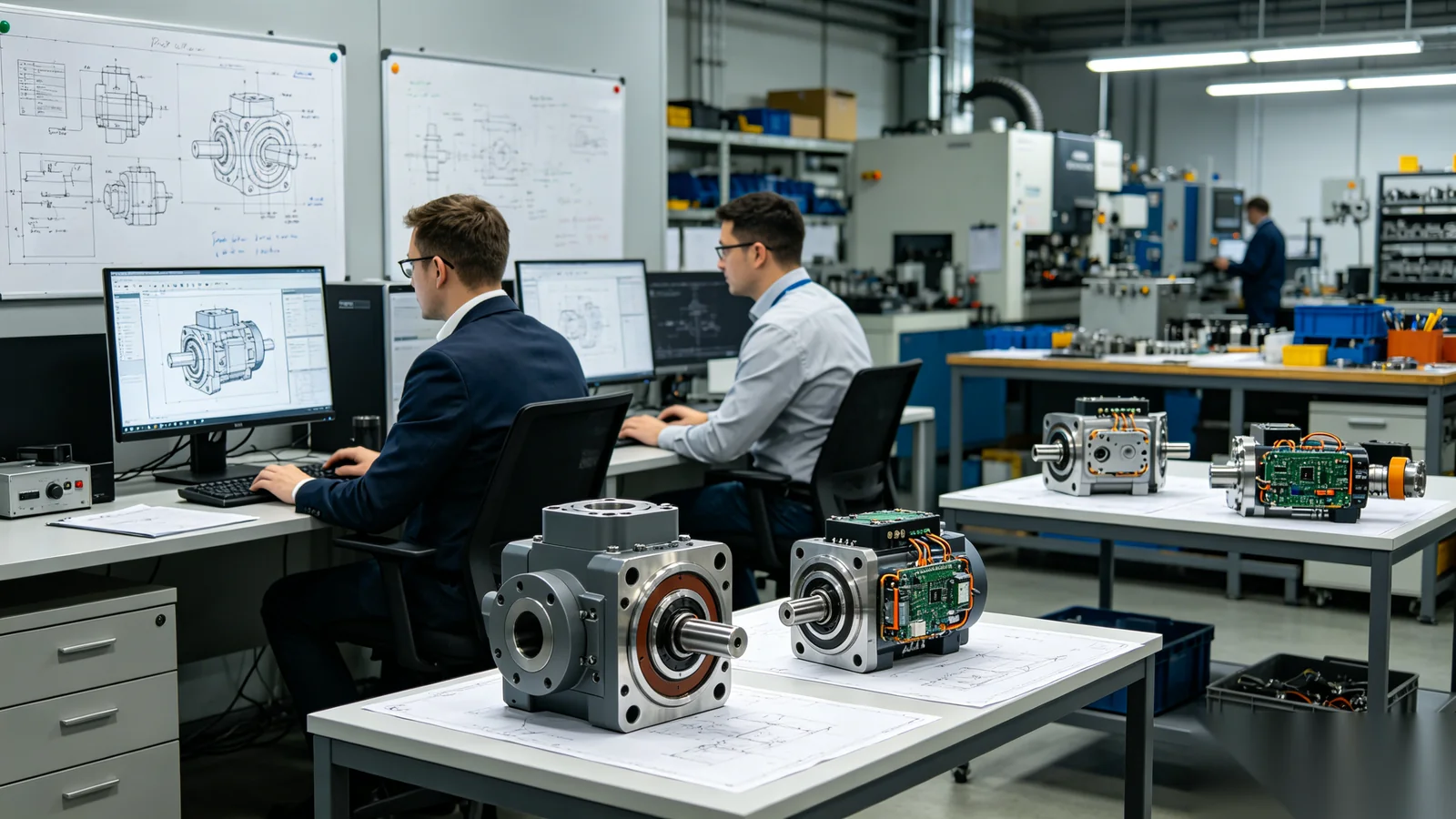
CAD support delivers 2D installation drawings and 3D STEP models for layout coordination in plant design and BIM workflows. Mounting assistance addresses adapter plates, stem extensions within allowable limits, and bolt access for maintenance. Drawings carry revision identifiers tied to approved submittals so procurement and construction reference the same issue. Tolerance guidance covers flange parallelism and stem runout acceptable for reliable packing life. When your valve vendor and operator supplier differ, we facilitate interface meetings to resolve topwork dimensions before steel is cut on custom adapters.

Industrial Automation System Support

Automation support aligns gear operators with electric and pneumatic actuators, torque switches, and control narratives. Declutchable layouts, stem protection, and mechanical stroke limits are checked against actuator stall and run torque. Multi-tag automation projects receive harmonized operator families to simplify spares and training. Integration guidance covers grounding, conduit entries on sealed housings, and maintainability — selection is not complete until the maintained assembly can be serviced without removing the valve from line unless project philosophy allows otherwise.

Engineering consultation and CAD mounting support for valve gear operator selection
CADMounting support

Applications

Selection Support for Industrial Applications

Industry context changes selection priorities. Water treatment favors corrosion-resistant coatings and IP ratings for outdoor vaults. Oil and gas emphasizes fire-safe vicinity considerations, higher pressure torque, and materials suited to hydrocarbon exposure. Power generation balances large valve torque with maintenance access during outages. Mining demands impact resistance and dust exclusion. Marine and offshore elevate stainless content and sealing discipline. Chemical processing introduces compatibility with aggressive media near valve stems and packing. Industry-specific guidance below routes typical valve types and environments to operator configurations proven in each sector — customize with project data for final approval.

Water Treatment

Butterfly and gate valves in filtration and distribution — coated steel or stainless, IP67 outdoor vault installations.

Oil & Gas

Isolation and process valves at elevated pressure — heavy-duty torque, fire-area layout, and corrosion-aware materials.

Power Generation

Boiler and cooling water systems — large bore torque sizing and outage-friendly maintenance access.

Mining Industry

Slurry and abrasive service — sealed housings, impact-resistant exteriors, and elevated torque margins.

Marine & Offshore

Deck and below-deck valves — stainless construction, IP68 options, and salt-environment coating systems.

Chemical Processing

Corrosive atmospheres and leak sensitivity — material upgrades, sealing discipline, and automation-ready layouts.

Industry-specific valve gear operator selection for water, oil and gas, power, and mining
SectorApplication fit

OEM Programs

OEM and Custom Engineering Selection Support

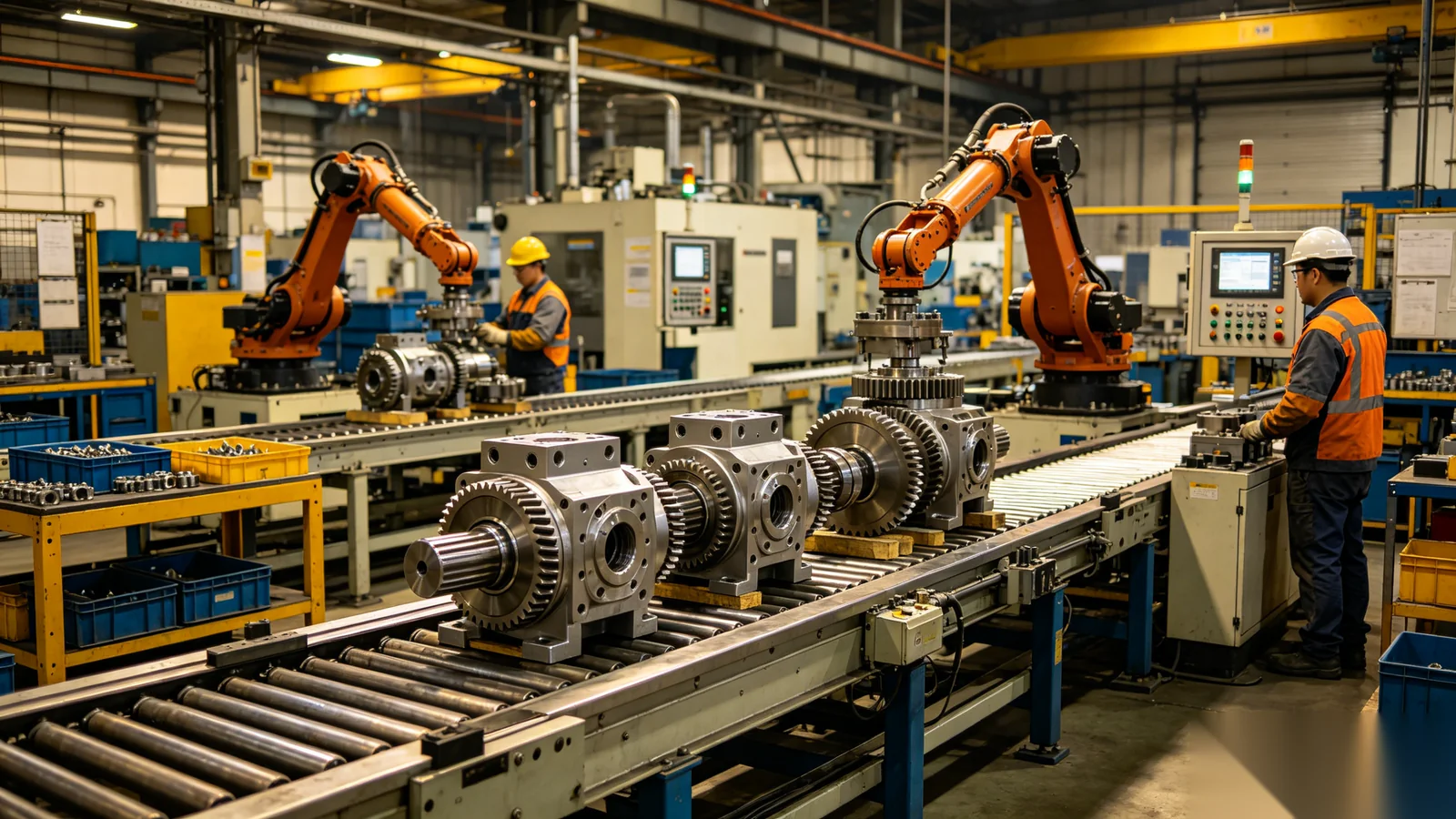
OEM valve manufacturers and system integrators require selection support that scales across product families — consistent ISO 5211 patterns, modular torque steps, and documentation under customer brand. Custom engineering addresses non-catalog stems, combined bevel-worm packages, and export-specific materials without fragmenting quality systems. CAD and compatibility review integrate with your design office release process. Industrial project consultation covers tag harmonization, spares strategy, and alignment with global site standards when one valve platform ships to multiple regions. Selection tools accelerate standard cases; OEM engineering owns the exceptions that define your product differentiation.

Custom Torque SolutionsNon-standard ratios and output stages sized to your valve family with test verification on request.
OEM Mounting DesignPrivate-label flange patterns, adapter families, and topwork standards locked across your catalog.
CAD Engineering AssistanceNative formats and naming conventions aligned to your PLM release workflow and drawing standards.
Valve Compatibility ReviewStem load, thrust, and interface checks against your body designs before serial production.
Industrial Project ConsultationTag-level selection workshops for EPC and utility rollouts with harmonized operator specifications.
Export Engineering SupportMaterial and documentation alignment for international destinations without changing core interface geometry.
OEM custom engineering and CAD support for valve gear operator selection programs
OEMCustom design

Client Value

Why Industrial Clients Use Our Selection Tools

Industrial clients use structured selection because field failures are expensive — stalled valves during commissioning, stripped stems from interface mismatch, and corrosion failures inside housings that looked acceptable at FAT. Our selection center combines organized technical pathways with engineers who approve exceptions. Clients report faster bid support, fewer installation deviations, and improved alignment between submittal data and shipped hardware. The tools are not a replacement for engineering judgment; they are the discipline that makes judgment auditable and repeatable across projects and regions.

Faster engineering selection

Structured torque, mounting, and protection paths reduce iteration cycles during RFQ.

Reduced installation errors

ISO 5211 and stem data verified before release — fewer adapter surprises on site.

Improved valve compatibility

Operators matched to valve type, pressure class, and motion requirement.

Industrial automation expertise

Declutchable, actuator-ready, and motorized layouts coordinated with drive suppliers.

OEM engineering assistance

Family-level mounting standards and custom torque for product line consistency.

Heavy duty application support

High-pressure and large-bore torque sizing with documented safety factors.

Technical consultation services

Application engineers available for interface review and bid support.

Global project experience

Selection aligned to export, environmental, and regional installation norms worldwide.

Common Questions

Frequently Asked Questions

How do I select the correct torque for a valve gear operator?+

Start with valve type, bore size, seat material, and maximum differential pressure — these drive break torque and running torque. Quarter-turn valves typically need peak torque for unseating; multi-turn valves need thrust and turn torque through full stroke. Apply the safety factor your project specifies (commonly 1.25–1.5 on break torque). Submit stem diameter, drive geometry, and operating temperature for engineering calculation rather than relying on bore-size charts alone. We return recommended operator series, gear ratio, and handwheel rim force with calculation basis traceable to your inputs.

What mounting standards are supported?+

Operators are designed for ISO 5211 mounting interfaces — flange dimensions, bolt patterns, and drive sleeves across standard F-series sizes. Adapter plates bridge mismatches between valve topworks and operator patterns. Stem connections include square, keyed, and custom drives within engineering limits. Submit valve topwork drawings or ISO 5211 class and stem data for confirmation. Non-standard patterns are feasible as custom engineering with CAD approval before manufacture.

How do I choose between IP67 and IP68 protection?+

IP67 suits outdoor exposure and temporary immersion — dust-tight housings resisting water ingress during rain, washdown, or brief flooding. IP68 is specified for continuous submersion at agreed depth and duration — buried valve vaults, submerged chambers, and certain marine installations. Selection must include temperature range and maintenance expectations because seals and breathers affect long-term performance. Material and coating systems complement IP rating; stainless or upgraded coatings are often paired with IP68 for aggressive environments.

What is the difference between quarter-turn and multi-turn systems?+

Quarter-turn operators rotate the valve stem 90° for butterfly, ball, and plug valves — worm gear reduction is sized for seated and unseating torque peaks. Multi-turn operators drive gate and globe valves through many revolutions as the stem rises or lowers — requiring thrust capacity, stem nut engagement, and often higher total turns. Mixing types causes immediate functional failure. Selection must follow valve motion class first, then torque and mounting within that class.

Can custom engineering and CAD support be provided?+

Yes. Custom torque steps, adapter plates, non-standard stem drives, bevel-worm combinations, and automation-ready layouts are supported with CAD submittals in 2D and 3D STEP formats. OEM programs include brand-aligned documentation and locked interface standards across product families. Submit valve drawings, environment class, and project schedule for engineering confirmation and lead-time quotation — selection tools on this page identify the standard path; custom work is formally released through drawing approval.

Need Help Selecting the Right Valve Gear Operator?

Share valve type, size, pressure class, mounting data, and environment — our application engineers respond with torque recommendations, ISO 5211 interface checks, and protection guidance aligned to your project. OEM and EPC teams receive CAD support, submittal-ready documentation, and automation coordination when actuators are in scope. Start the structured selection process online or request direct engineering consultation for tag lists, tender support, and custom configurations that exceed standard selection matrices.

Selection Facets

Explore Selection Guides