ISO 9001 API 6D CE / PED EN

Precision Manufacturing · OEM Production · Export Ready

Valve Gear Operator Manufacturing Capabilities

Our manufacturing capability center demonstrates how valve gear operators are built — not marketed. Integrated CNC machining, precision gear cutting, torque-verified assembly, and CAD-driven engineering support form a production system designed for heavy-duty valve automation, OEM programs, and export manufacturing. From worm gearbox housings and drive shafts to ISO 5211 topworks and sealed outdoor enclosures, every process is structured for industrial consistency: documented tolerances, traceable inspection, and batch capacity that scales from prototype runs to multi-tag EPC schedules without compromising quality discipline.

CNC Precision Machining Gear Cutting & Assembly Export Manufacturing

Manufacturing System

Complete Manufacturing Solutions for Valve Gear Operators

CNCPrecision machining
ISO9001Quality systems
OEMCustom engineering

Valve gear operator manufacturing is a multi-process discipline spanning machining, gear generation, assembly, surface protection, and verification — not a single assembly line claim. Our capability exhibition documents how each stage connects: CNC centers produce housings, covers, and shafts to drawing tolerances; hobbing and worm-cutting cells generate torque paths with controlled backlash; assembly stations align ISO 5211 interfaces and verify rotation before sealing; coating lines apply corrosion systems matched to outdoor, marine, or buried service. Engineering support runs parallel — CAD releases, torque calculations, and OEM customization are manufacturing inputs, not afterthoughts.

Industrial automation manufacturing demands repeatability across batches and regions. Production scheduling, material traceability, and export packaging are treated as manufacturing capabilities alongside metal cutting. Clients evaluating factory strength — EPC contractors, valve OEMs, and automation integrators — need evidence of process control, not brochure adjectives. This page presents that evidence: what we machine, how we cut gears, how we inspect, how we engineer custom solutions, and how we deliver internationally at industrial scale.

Industrial Manufacturing for Valve Automation Systems

Valve automation systems depend on gear operators that survive decades of intermittent duty in harsh environments. Our industrial manufacturing scope covers worm gear and bevel gear operators for quarter-turn and multi-turn service — housings sized for heavy-duty torque paths, stem drives matched to ISO 5211, and declutchable layouts for motorized packages. Production is organized by product families with controlled tooling and fixture sets so bore sizes, flange patterns, and ratio steps remain consistent across serial runs. Automation-ready topworks are manufactured with clearance and drive geometry coordinated for actuator integration, reducing field adaptation. The objective is factory output that installs cleanly and performs through the pressure, temperature, and exposure envelope your specification defines — backed by measurable process capability, not assumed quality.
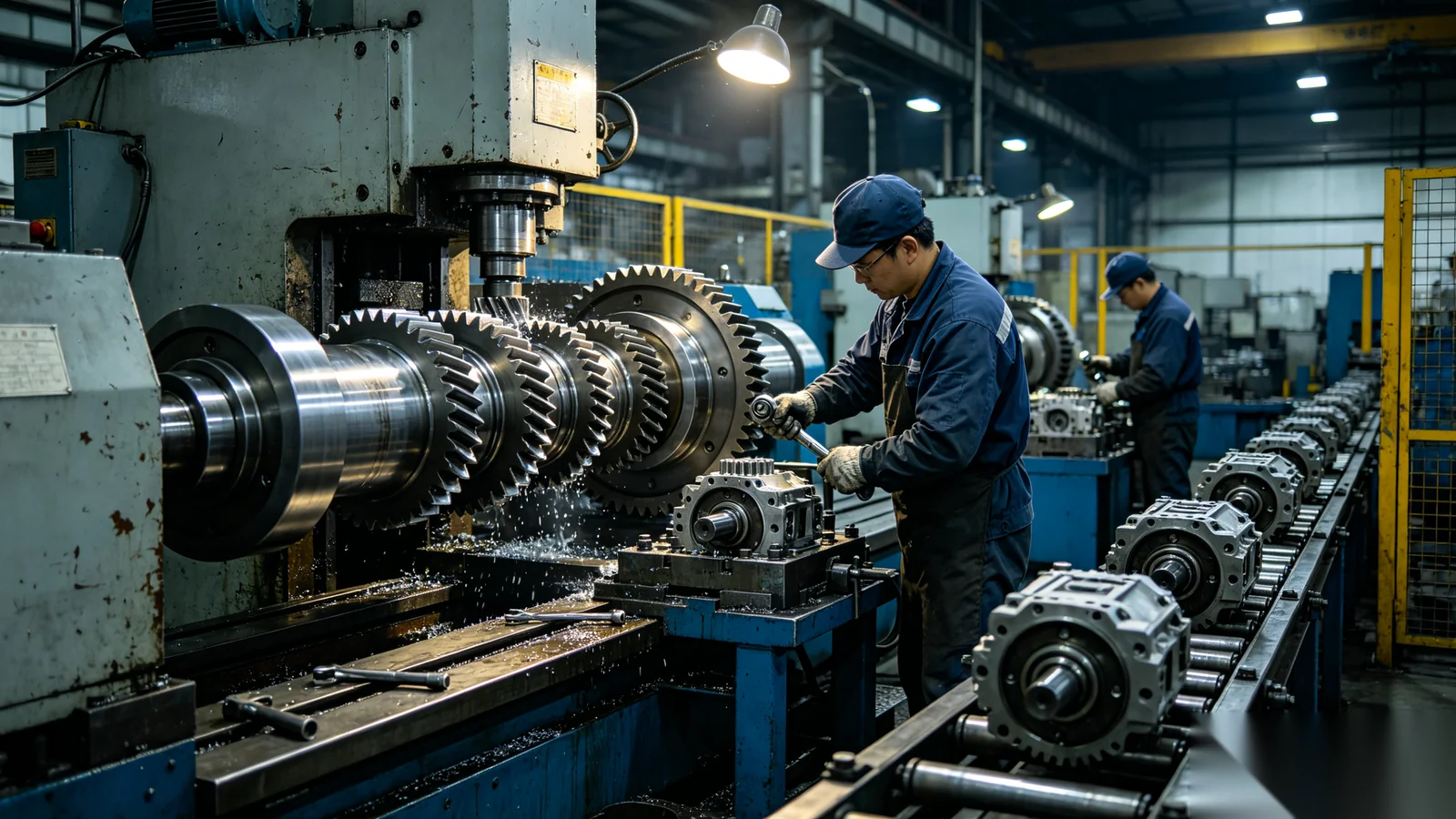
Engineering-driven Production Processes

Manufacturing without engineering discipline produces operators that fit catalogs but fail projects. Engineering-driven production means released drawings control CNC programs, gear data sheets define hobbing parameters, and inspection plans follow torque and dimensional criteria agreed at order entry. Design changes flow through revision control — shop floors machine to approved issues, not informal sketches. Torque verification, material certificates, and assembly checklists are manufacturing deliverables linked to each batch. When projects require custom ratios, adapter plates, or non-standard stems, engineering releases precede metal cutting so prototype and serial production share the same validated geometry. This integration is what separates industrial manufacturing from general metal fabrication — every spindle path and assembly step traces to an engineering intent.

Support for OEM and EPC Projects

OEM valve manufacturers need manufacturing partners who scale across product lines with locked interfaces and brand-aligned documentation. EPC contractors need tag-level consistency, export compliance, and delivery schedules aligned to construction milestones. Our manufacturing system supports both: modular torque steps, harmonized ISO 5211 patterns, private-label options, and batch production with project scheduling. Technical submittals, CAD formats, and quality records accompany shipments for owner approval workflows. Long-term programs receive continuity — same fixtures, same inspection criteria, same engineering contacts — so year-two expansion matches year-one performance. Manufacturing capability for OEM and EPC work is measured in repeatability under contract pressure, not single-sample excellence.

Machining

CNC Machining and Precision Manufacturing

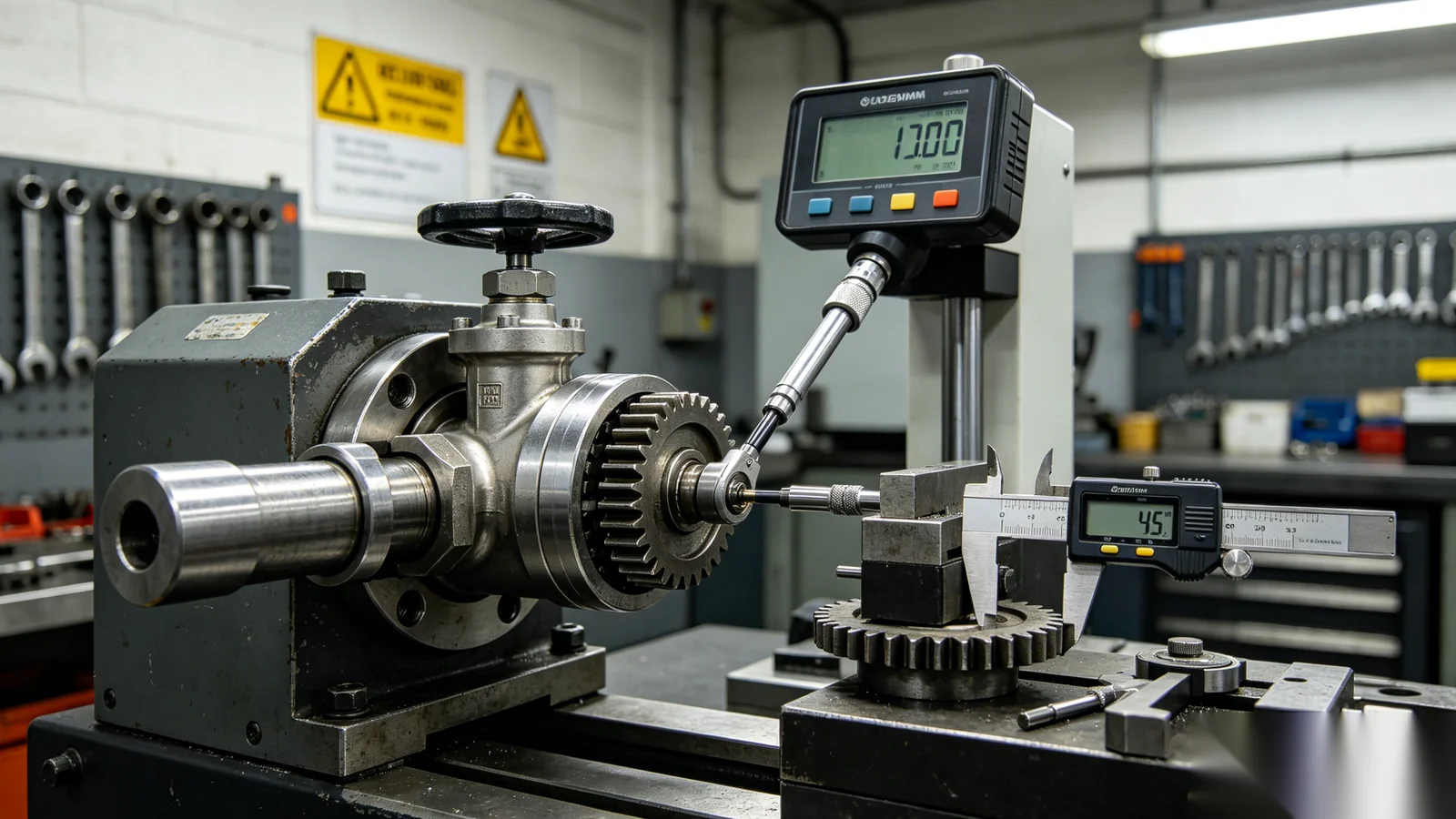
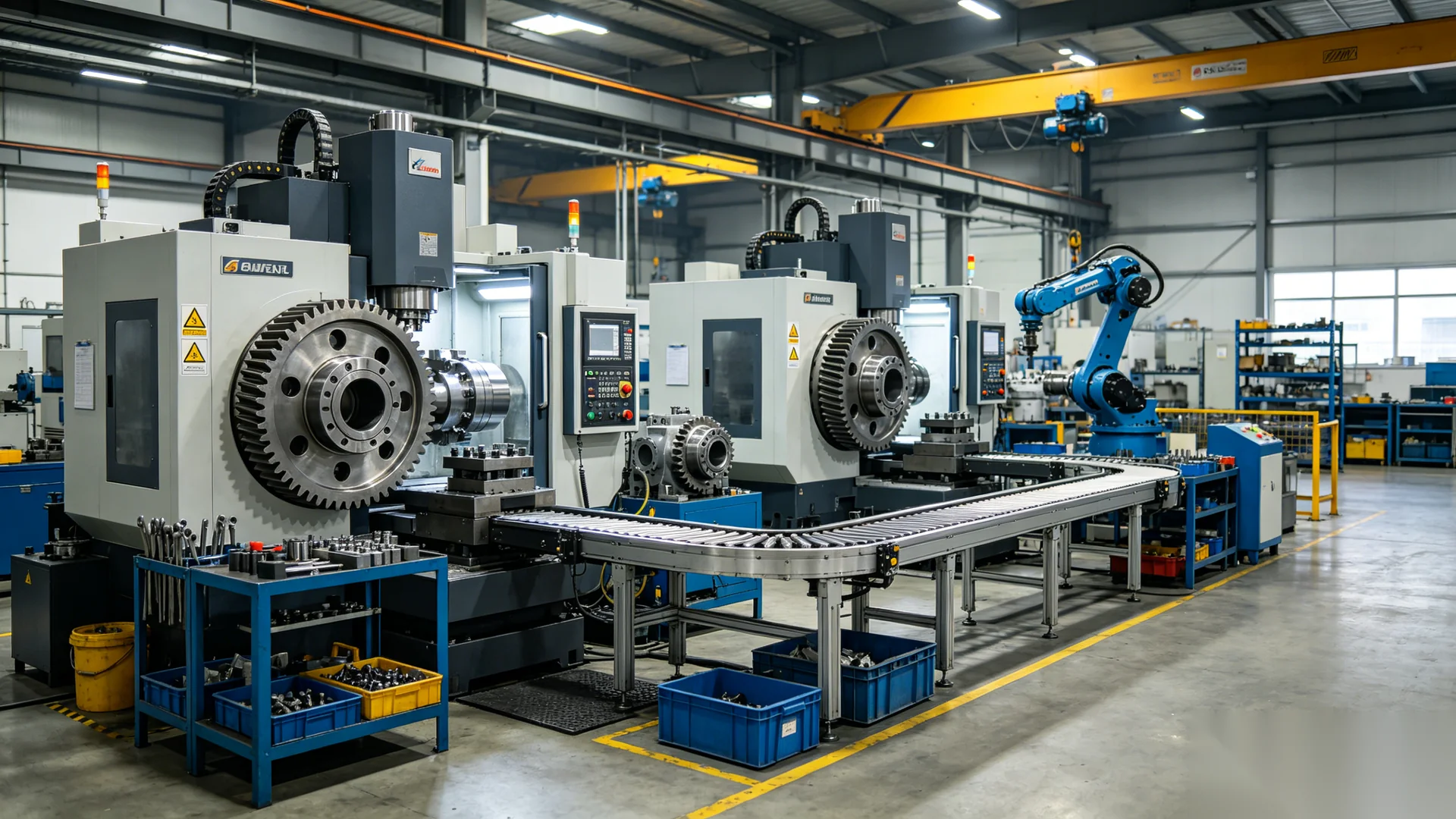
CNC machining is the foundation of gearbox structural integrity. Housings, covers, bearing bores, and flange faces must be true and repeatable — runout at the ISO 5211 interface translates directly to stem wear and packing leaks in the field. Our machining centers handle turning and milling operations for carbon steel, stainless, and alloy components used in heavy-duty valve gear operators. Programs are generated from approved CAD models with tool paths verified for critical dimensions before first-article release. Shaft machining maintains concentricity and keyway alignment for worm and bevel stages; batch runs use fixture-controlled setups so dimensional drift stays within agreed tolerance bands across production lots.

CNC Turning

Precision turning for shafts, sleeves, and cylindrical housings — concentricity controlled for worm and bearing seats in heavy-duty operators.

CNC Milling

Flange faces, bolt patterns, and housing cavities milled to drawing — ISO 5211 interfaces and cover joints machined in single setups where feasible.

Shaft Machining

Input and output shafts with keyways, splines, and stem drive geometry — aligned to gear stages and handwheel or actuator interfaces.

Precision Tolerance Control

Critical dimensions inspected against released tolerances — first-article approval before serial release on new or revised components.

Heavy Duty Component Production

Reinforced housings and bearing structures for high-torque valve service — material grades selected for load path and environment class.

Industrial Batch Manufacturing

Fixture-controlled batch runs maintaining consistency across OEM programs and EPC tag lists — schedule visibility for project planning.

CNC machining center producing precision valve gear operator housings and shafts
CNCPrecision machining

Gear Production

Gear Cutting and Assembly Systems

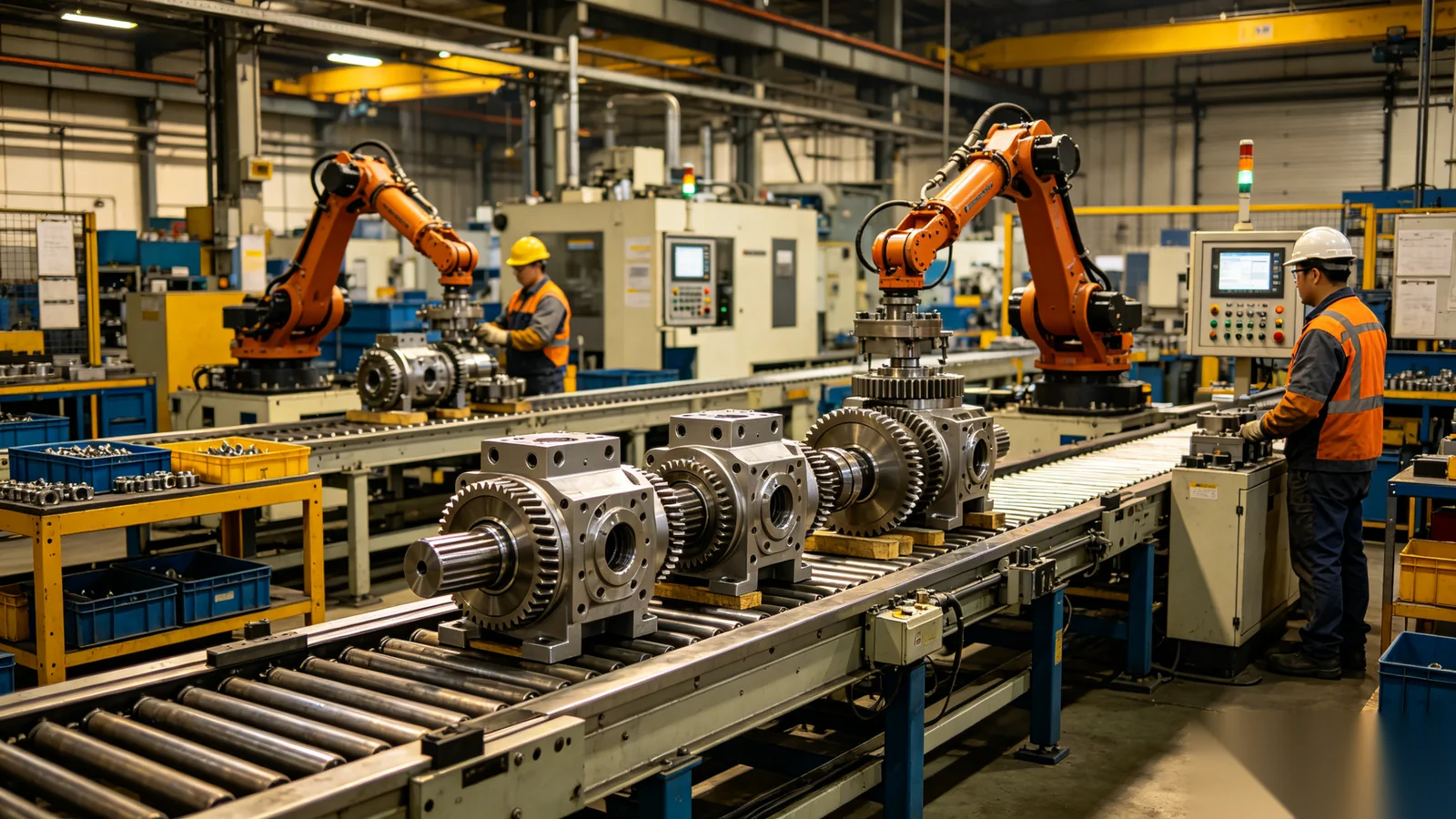
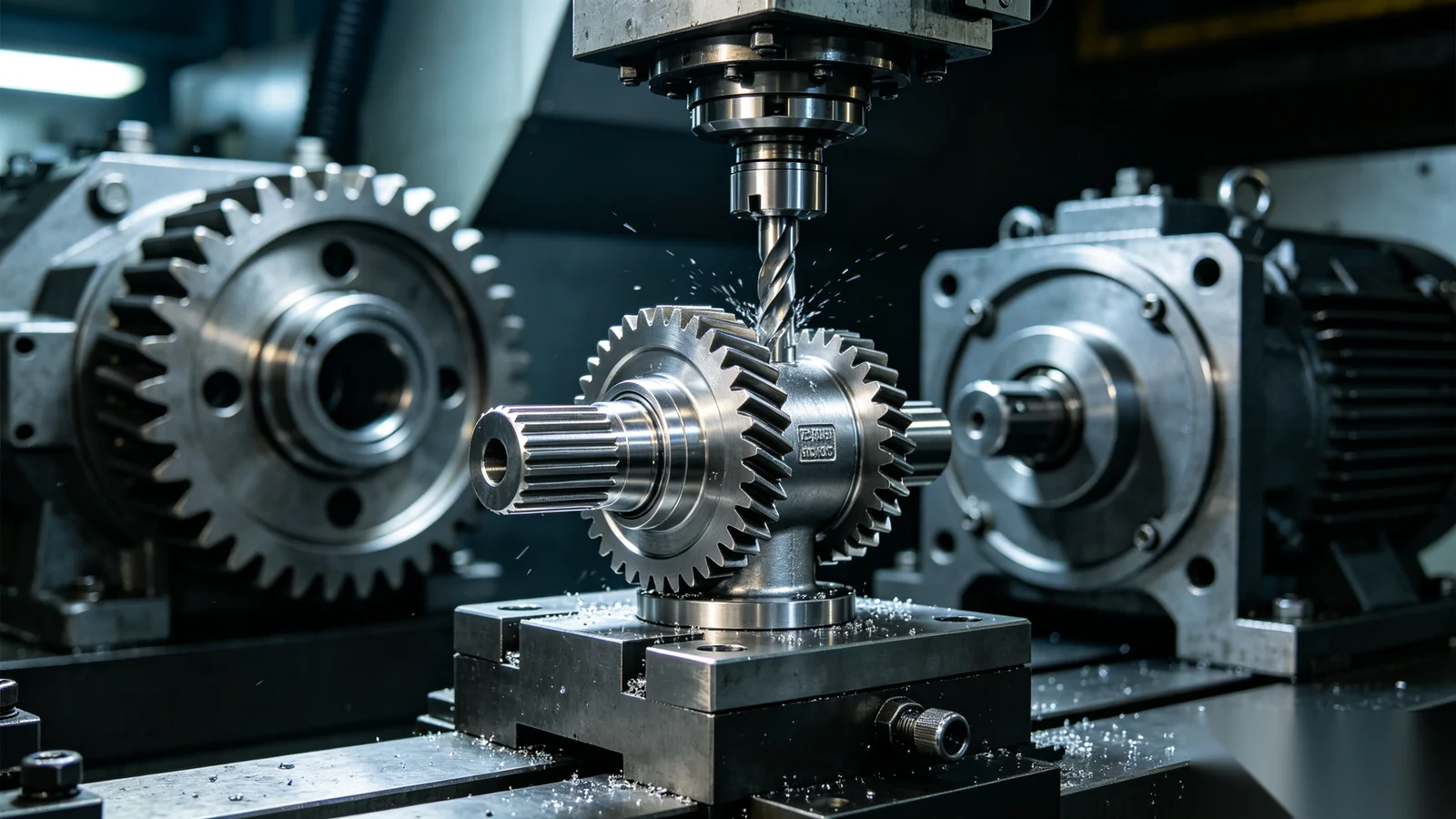
Gear cutting defines torque transmission efficiency and operational feel. Worm and wheel pairs, bevel stages, and reduction sets are hobbed or cut to parameters that control backlash, contact pattern, and noise under load. Assembly systems align gear centers, preload bearings correctly, and verify smooth rotation through full stroke before housings are sealed. For valve gear operators, assembly is where machining and gear theory become measurable output torque — alignment errors here cannot be corrected in the field. Our gear cutting and assembly capability supports quarter-turn worm reductions, multi-turn arrangements, and combined bevel-worm packages used where installation geometry demands right-angle input.

Precision Worm Gear Manufacturing

Worm gear manufacturing for valve operators requires controlled lead angle, profile accuracy, and material pairing between worm and bronze or alloy wheels. Hobbing parameters are set per ratio family and verified on first articles — contact pattern and backlash recorded before batch release. Heavy-duty applications use wheel materials and hardness suited to seated torque peaks and frequent cycling. Ratio steps are standardized across product lines where possible so OEM clients receive predictable torque output and interchangeable spares. Non-standard ratios enter through engineering release with updated cutting data — not shop-floor adjustment. Worm gear quality directly affects handwheel effort, actuator stall margins, and long-term wear — it is manufactured as a torque-critical component, not a commodity gear.

Gearbox Assembly and Alignment

Assembly stations use fixtures that locate housings, bearings, and gear stages relative to ISO 5211 datum faces. Technicians follow controlled sequences for fastener torque, seal placement, and indicator installation. Alignment checks confirm free rotation without binding through 90° quarter-turn or full multi-turn travel as applicable. Declutchable mechanisms are assembled and cycled to verify clean engagement between manual and powered modes. Each assembly stage is documented — who built, which components, which inspection step passed — supporting traceability for export and owner QA requirements. Assembly discipline prevents the subtle defects that pass visual inspection but fail under differential pressure: eccentric rotation, intermittent binding, and indicator drift.

Torque Transmission System Verification

Before release, torque transmission paths are verified against project or catalog criteria — input effort, output torque, and direction of operation recorded on test equipment calibrated to internal schedules. Verification distinguishes manufacturing success from mere assembly completion. High-torque and heavy-duty units receive elevated scrutiny on break and running torque points. Results tie to batch records for client submittal when required. Where automation packages are supplied, stall torque coordination with actuator suppliers is confirmed against assembled units, not theoretical ratios alone. Torque verification is the manufacturing proof that the operator will move the valve — the ultimate performance metric for this product class.

Gear hobbing and worm gear cutting for industrial valve gearbox production
GearCutting & assembly

Quality Assurance

Quality Control and Inspection Systems

Quality control converts manufacturing intent into auditable compliance. Inspection covers incoming materials, in-process dimensions, assembly function, surface finish, and final release tests aligned to ISO 9001 procedures and project-specific ITPs. Torque testing validates performance; dimensional inspection confirms interfaces; material verification supports export documentation. Export quality control adds packaging checks, marking review, and certificate collation so shipments arrive specification-complete. QC is integrated into production flow — hold points stop nonconforming work from advancing. For valve gear operators installed in critical service, inspection records are as important as the physical unit.

Torque Testing

Output and input torque verified on calibrated benches — break and running points recorded per batch or tag requirements.

Dimensional Inspection

Critical flange, bore, and stem drive dimensions checked against released drawings — CMM and gauge-based methods as applicable.

Material Verification

Mill certificates and material grades confirmed for housings, shafts, and fasteners — traceability for project and export compliance.

Assembly Inspection

Rotation, declutch function, indicator accuracy, and fastener torque verified before final close-up and sealing.

Surface Quality Inspection

Coating thickness, adhesion, and cosmetic standards checked post-treatment — defects caught before shipment.

Export Quality Control

Final release includes marking, documentation pack, and packaging inspection for international delivery integrity.

Quality control inspection and torque testing for valve gear operators
QCInspection systems

Engineering

CAD Drawing and Engineering Support

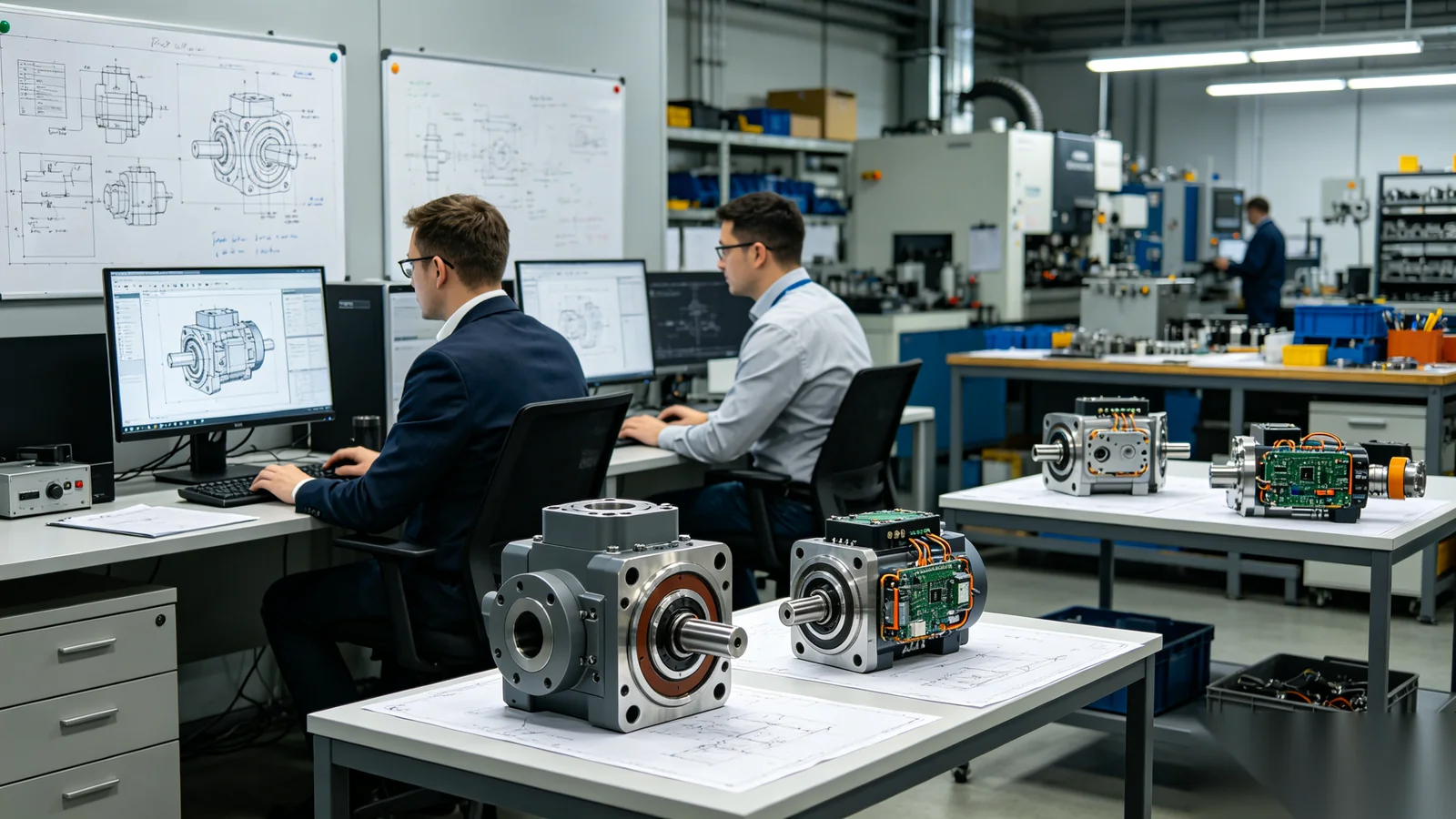
CAD drawing and engineering support bridge customer requirements and shop-floor release. Two-dimensional installation drawings, three-dimensional models for layout coordination, and technical documentation packages accompany manufacturing — not as optional extras but as controlled outputs under the same quality system as machined parts. Mounting compatibility review prevents ISO 5211 mismatches; torque calculation support aligns ratios to valve duty; OEM engineering collaboration integrates customer brand standards and PLM conventions. Engineering releases drive CNC and assembly — keeping manufacturing aligned with what was approved in submittal.

2D Technical Drawings

Installation layouts, flange details, and stem interfaces — revision-controlled issues for approval and construction reference.

3D CAD Modeling

STEP and native formats for plant design and BIM — envelope clearance for actuators, handwheels, and accessories.

Mounting Compatibility Review

ISO 5211 and stem drive verification against valve topwork data — adapter concepts released before manufacture.

Torque Calculation Support

Documented torque basis with safety factors — ratio recommendations tied to valve type and differential pressure inputs.

Technical Documentation

Operation manuals, torque tables, and maintenance guidance formatted for owner submittal and OEM private label.

OEM Engineering Collaboration

Joint development with valve OEM design offices — interface standards locked across product families for serial production.

CAD engineering workstation with technical drawings for valve gear operator manufacturing
CADEngineering support

Customization

Custom Design and OEM Engineering Solutions

Custom design and OEM engineering extend standard manufacturing platforms without fragmenting quality systems. Custom torque steps, gear ratios, mounting patterns, and enclosure options enter through formal engineering release — prototype, test, then serial production. Private-label documentation, color systems, and marking standards align with customer brand requirements. Industrial project engineering coordinates tag lists, spares philosophy, and regional material preferences. Manufacturing capability for customization is proven when exceptions ship with the same inspection rigor as catalog lines — because they share the same release discipline.

Custom Gearbox Engineering

Custom gearbox engineering addresses ratios, housing envelopes, and materials outside standard matrices — while preserving manufacturability and inspection paths. Engineering evaluates stem loads, bearing life, and sealing strategy before cutting metal. Custom solutions are favored when they consolidate platforms: one adapted housing family across valve sizes reduces OEM inventory complexity. Drawings, BOMs, and inspection plans are issued at the same revision standard as catalog products. Field feedback from earlier deployments informs design updates — manufacturing and engineering share data so improvements propagate to serial runs without silent drift between what was approved and what ships.

OEM Valve Automation Solutions

OEM valve automation solutions integrate gear operators with customer valve bodies, actuators, and accessories under unified part numbers and documentation. Manufacturing supports automation-ready topworks, declutchable overrides, and bracket clearances defined in joint design reviews. Batch production runs use OEM fixtures and checklists; export variants receive material and coating adjustments without changing core interface geometry. Long-term OEM partnerships benefit from locked ISO 5211 patterns and harmonized torque steps — new valve sizes extend the platform instead of inventing unrelated mechanical architectures. Manufacturing strength for OEM work is measured in years of repeat orders with declining deviation rates, not one-off prototypes.

Prototype Development and Testing

Prototype development validates custom engineering before capital-intensive serial tooling. Short-run machining and gear cutting produce units for torque test, fit-up on customer valves, and environmental exposure when required. Prototype results feed drawing updates and inspection criteria — failures are resolved in engineering, not discovered at commissioning. Transition to serial production includes first-article inspection and locked process parameters. For EPC trials or new valve line launches, prototype manufacturing demonstrates factory capability while de-risking owner approval. Testing documentation accompanies prototype shipment so customers can align internal acceptance with our release records.

OEM custom engineering and prototype development for valve gear operators
OEMCustom engineering

Protection

Surface Treatment and Environmental Protection

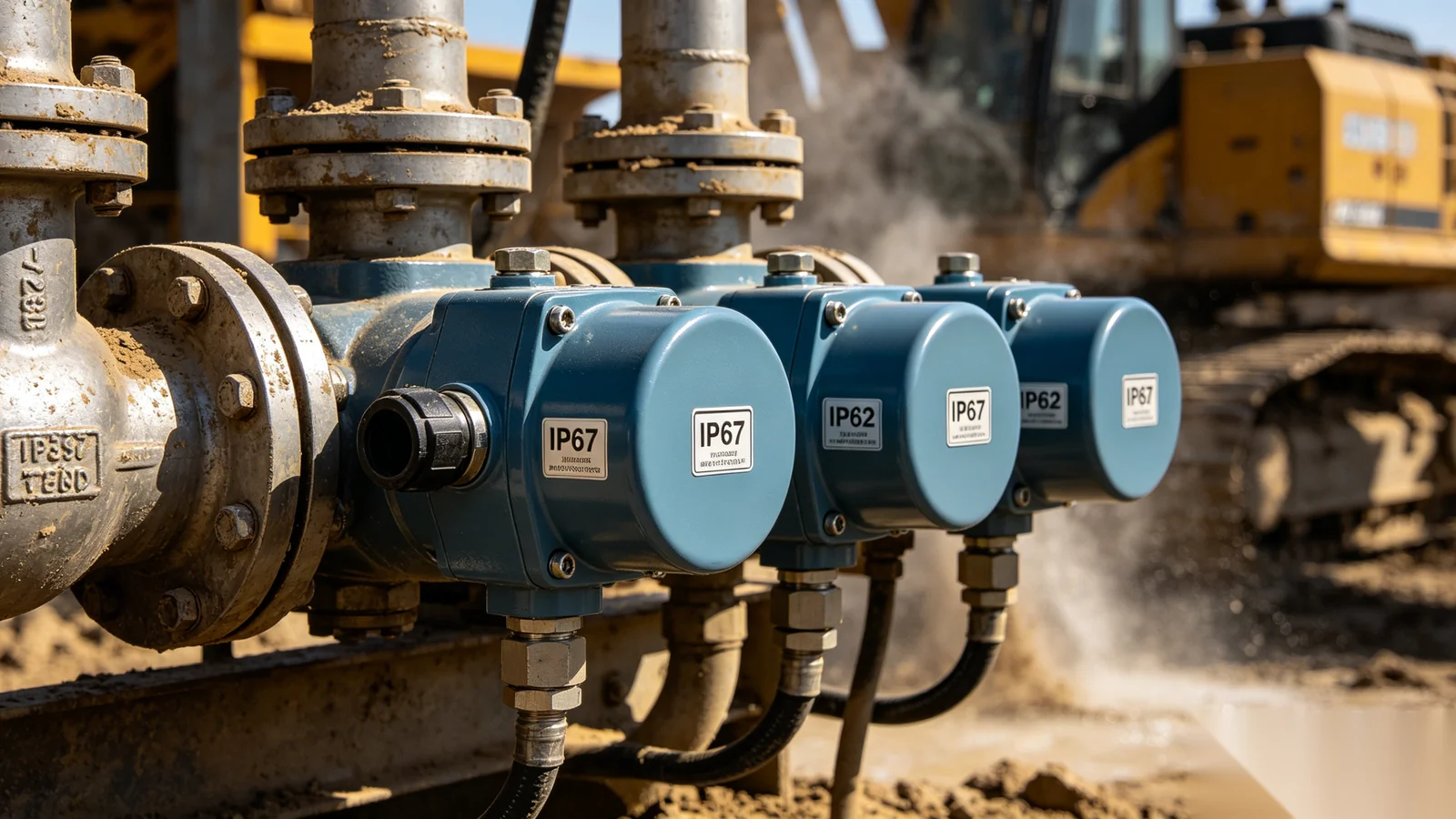
Surface treatment protects mechanical performance from environmental attack. Valve gear operators installed outdoors, in coastal plants, buried vaults, or offshore structures require coating systems and sealing discipline matched to credible exposure — not average weather. Anti-corrosion and powder coating processes are controlled for thickness and coverage; IP67 and IP68 sealing strategies address dust and water ingress per project specification. Marine-grade protection combines material selection, coating, and seal materials compatible with temperature cycling. Manufacturing treats protection as a process capability with inspection — because internal corrosion often fails operators that passed torque test at FAT.

Anti-corrosion Coating

Epoxy and multi-layer systems for carbon steel housings — salt spray and humidity resistance for industrial outdoor service.

Powder Coating Systems

Durable cosmetic and protective finishes — color matching for OEM brand requirements and utility identification standards.

IP67 Sealing

Dust-tight enclosures with temporary immersion resistance — gaskets, breathers, and assembly torque controlled in process.

IP68 Protection

Continuous submersion designs when specified — buried vaults, flooded chambers, and marine installations with agreed depth rating.

Marine-grade Protection

Enhanced materials and coatings for salt spray and humidity — stainless options paired with sealing for offshore duty.

Outdoor Environmental Resistance

UV-stable coatings and drain philosophy for exposed installations — long-term appearance and function in open air sites.

Surface coating and environmental protection for valve gear operator housings
IP67Environmental seal

Global Delivery

Production Capacity and Export Support

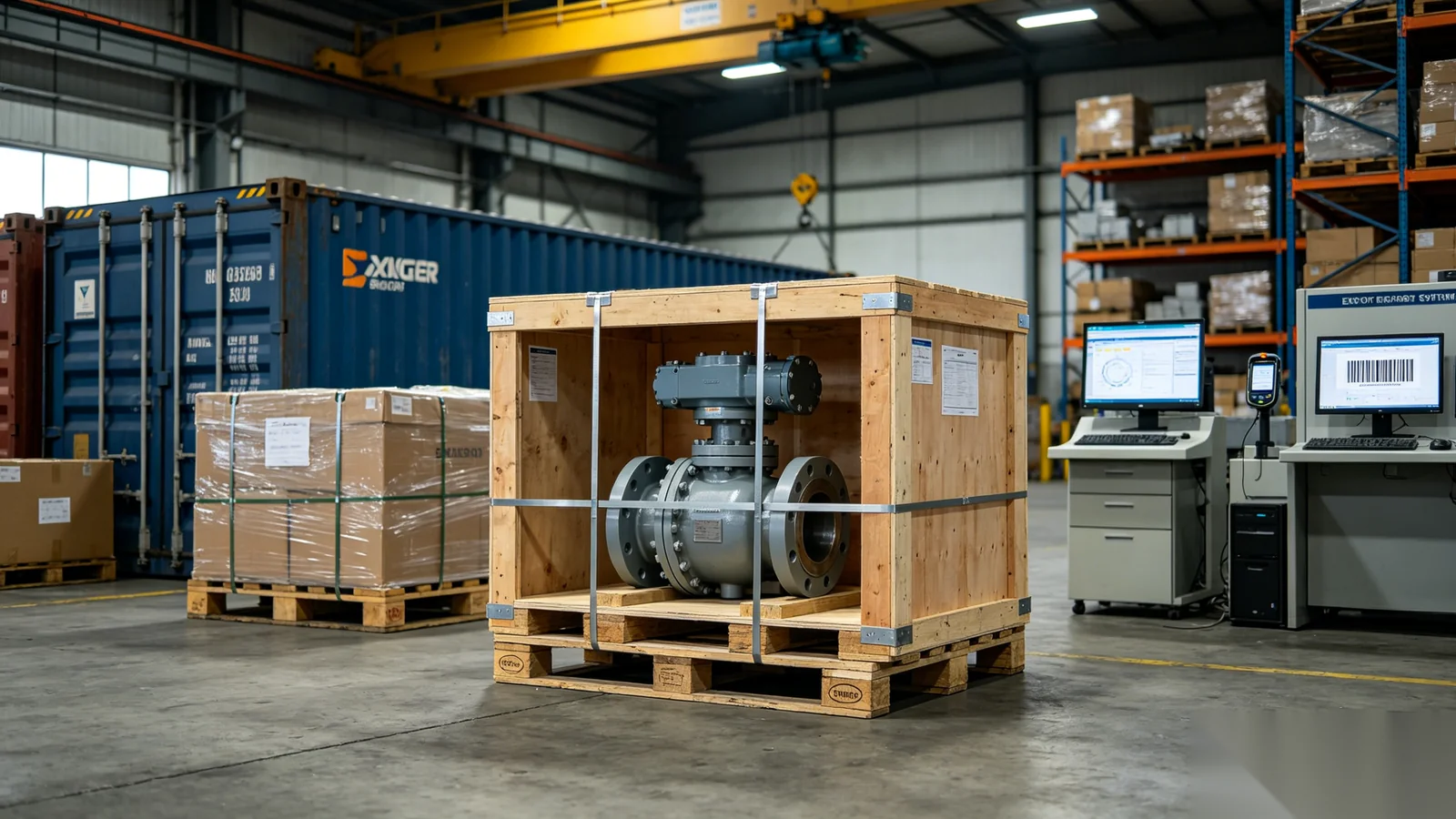
Production capacity and export support complete the manufacturing story — clients need confidence that approved designs ship on schedule, intact, and documentation-complete. Batch production scales from small OEM releases to multi-hundred-tag EPC lots with schedule visibility. Export packaging protects finished operators from transit damage; logistics coordination aligns incoterms and consolidation with project sites worldwide. Industrial project scheduling interfaces with engineering release and QC release — manufacturing is accountable to construction dates, not only factory throughput. Global technical support continues after shipment for installation questions and spares alignment.

Batch Production Capability

Scalable lot sizes with fixture-controlled consistency — capacity planning for peak EPC and utility procurement windows.

OEM Manufacturing Support

Long-run programs with locked interfaces and rolling forecasts — manufacturing aligned to customer production planning cycles.

Export Packaging Systems

Crating, moisture protection, and marking for sea and land freight — units arrive ready for site storage and installation.

International Logistics Coordination

Shipping documentation, certificates, and consolidation support — alignment with customer import and customs workflows.

Industrial Project Scheduling

Milestone-based delivery against tag lists — coordination with engineering submittal and site construction sequences.

Global Technical Support

Post-delivery engineering contact for installation, spares, and field issues — continuity from manufacturing to commissioning.

Export packaging and international logistics for valve gear operator manufacturing
ExportGlobal delivery

Factory Trust

Why Industrial Clients Trust Our Manufacturing Capabilities

Industrial clients evaluate manufacturing partners on evidence — process control, inspection records, engineering integration, and delivery performance under project pressure. Trust is not claimed; it accumulates from repeatable CNC accuracy, verified gear assemblies, documented QC, and export shipments that match submittals. Clients return when field installations confirm manufacturing quality: operators that fit ISO 5211 interfaces, deliver rated torque, and survive environmental duty without premature internal corrosion. The capabilities on this page are the basis of that trust — transparent manufacturing strength for valve automation programs worldwide.

Precision CNC machining capability

Housings and shafts machined to released tolerances with first-article discipline.

Heavy duty gearbox expertise

Gear cutting and assembly proven for high-torque valve service.

OEM/ODM engineering support

Custom platforms released with the same control as catalog lines.

Stable industrial production

Batch consistency and schedule visibility for long-running programs.

CAD technical assistance

Drawings and models tied to manufacturing release — not disconnected files.

Export manufacturing experience

Packaging, documentation, and logistics aligned to international projects.

Industrial quality systems

ISO 9001 procedures with torque, dimensional, and material verification.

Long-term project support

Engineering continuity from prototype through serial production and spares.

Common Questions

Frequently Asked Questions

What manufacturing capabilities are available for valve gear operators?+

Our manufacturing scope includes CNC turning and milling for housings and shafts, worm and bevel gear cutting, controlled gearbox assembly with torque verification, surface coating and IP sealing, and export packaging with documentation. Engineering support covers 2D and 3D CAD, mounting compatibility review, and OEM customization. Quality systems follow ISO 9001 with dimensional inspection, material traceability, and final release testing. Capabilities scale from prototype runs to large EPC tag lists — each process documented so clients can align factory acceptance criteria with project ITPs.

Do you provide OEM and custom engineering support?+

Yes. OEM programs include custom ratios, torque steps, mounting patterns, private-label documentation, and harmonized interface standards across valve product lines. Custom engineering releases through drawing approval before manufacture — prototypes are tested for torque and fit-up, then transitioned to serial production with locked process parameters. Collaboration integrates with customer PLM conventions and brand requirements. Manufacturing treats OEM work with the same inspection discipline as catalog products so custom units carry equivalent traceability and submittal support.

Can CAD drawings and technical documents be provided?+

CAD drawings and technical documentation are standard manufacturing deliverables. We issue 2D installation drawings, 3D STEP models for layout coordination, torque tables, and operation or maintenance documents formatted for owner submittal or OEM private label. Revisions are controlled and tied to approved manufacturing releases. Mounting compatibility review uses customer valve topwork data to confirm ISO 5211 and stem interfaces before production. Documents support bid, approval, and construction phases — not only post-shipment reference.

What quality inspection systems are used?+

Inspection includes incoming material verification, in-process dimensional checks against released drawings, assembly function tests, torque bench verification, and surface quality review after coating. Export release adds marking, certificate collation, and packaging inspection. Hold points prevent advancing nonconforming work. Records support project QA and international compliance requirements. Torque testing uses calibrated equipment with results traceable to batch or tag when specified. Quality is integrated into production — not a final gate only.

Do you support international export manufacturing projects?+

Export manufacturing is a core capability: batch production with project scheduling, export crating and moisture protection, shipping documentation, and logistics coordination aligned to customer incoterms. Material grades and coatings can be adjusted for destination environment without changing approved interface geometry. Global technical support continues after delivery for installation and spares questions. Experience across industrial regions helps align marking, language, and certificate formats with owner expectations — manufacturing capacity paired with export discipline, not domestic-only production.

Need a Reliable Valve Gear Operator Manufacturing Partner?

Partner with a manufacturing system built for valve automation — OEM collaboration, engineering-driven release, CAD submittals, torque-verified assembly, and export-ready delivery. Share your project scope, interface data, and schedule requirements; our team aligns production capacity, customization paths, and quality documentation with your program. Whether you need serial OEM supply, EPC tag manufacturing, or prototype validation before rollout, manufacturing capability is available with the factory transparency industrial clients expect.

Manufacturing Detail

Engineering Support